 By admin
 In the quest for a dazzling smile, many individuals explore accessible, at-home alternatives to commercial dental products. A particularly popular trend circulating on social media involves combining lemon juice with activated charcoal for daily oral hygiene. While both ingredients are readily available and feature in various household remedies, it’s crucial to understand their potential effects on your dental health and temper expectations. The allure is undeniable: lemon offers a refreshing, tangy sensation, and activated charcoal is renowned for its purported deep-cleansing abilities in other health contexts. But what exactly transpires when these two are mixed and applied to your teeth? This comprehensive article delves into this popular DIY oral care concoction, examining the scientific perspectives on each ingredient, outlining critical considerations for its use, and suggesting safer, evidence-based methods to achieve your oral hygiene objectives.
The Appeal Behind This Popular DIY Oral Care Blend
The widespread interest in this particular blend stems from the perceived benefits of its individual components. Activated charcoal is highly valued for its unique porous structure, which allows it to adsorb various particles and surface impurities. Enthusiasts often apply it to their teeth with the expectation that it will help remove superficial stains caused by common culprits like coffee, tea, and certain foods. Lemon juice, brimming with citric acid, is also a staple in many home remedies, often praised for its natural brightening qualities in other applications. When these two ingredients are combined, typically forming a paste, the intention is to create a powerful, natural-feeling cleanser. Users frequently describe the mixture as having a distinctly gritty texture from the charcoal, coupled with the sharp, fresh tang of lemon. Yet, despite its popular appeal, this combination is far more complex than it appears, prompting frequent discussions among dental professionals about balancing any immediate, visible effects against potential long-term implications for oral health.
What Dental Professionals and Scientific Research Reveal
When it comes to natural oral care solutions, scientific research often presents a mixed bag of findings. Several in-vitro (laboratory-based) studies have investigated the impact of activated charcoal and acidic substances, such as lemon juice, on tooth coloration and surface integrity. While some lab comparisons have indeed observed noticeable changes in shade following applications of charcoal-based products or exposure to acids, it’s important to note that professional teeth whitening systems typically yield more predictable and consistent outcomes in controlled environments. Leading dental organizations, including the American Dental Association (ADA), consistently advise against the regular use of activated charcoal for oral hygiene, primarily citing its inherent abrasive nature. Similarly, the significant acidity (low pH) of lemon juice is a frequent topic in dental literature, emphasizing how repeated exposure to acids can detrimentally affect tooth enamel over time.
Essential Considerations Before Exploring DIY Oral Solutions
Before considering any natural or DIY oral care mixtures, it’s vital to be aware of several critical factors that could impact your dental health:
- Enamel Erosion and Abrasion: Tooth enamel, the robust outer layer protecting your teeth, is susceptible to damage. While abrasive agents might remove superficial stains and debris, frequent use can lead to irreversible wear and thinning of this crucial protective layer.
- Impact of Acidity on pH Balance: The high acidity of citrus juices like lemon temporarily lowers the pH level within the mouth. This acidic environment can disrupt the natural mineral balance of your enamel, potentially leading to demineralization and increased vulnerability to decay.
- Frequency and Duration of Use: The potential for adverse effects is significantly influenced by how often and for how long these mixtures are applied. Brief, infrequent use carries a different risk profile compared to incorporating them into a daily routine, which can have cumulative and more severe consequences.
- Individual Oral Health Sensitivities: Your unique oral health status plays a significant role. Pre-existing dental sensitivity, the presence of dental restorations (like fillings or crowns), or underlying gum conditions can all influence how your mouth reacts to these ingredients, potentially leading to discomfort or exacerbating existing issues.
A Common DIY Preparation Method (Strictly for Informational Context)
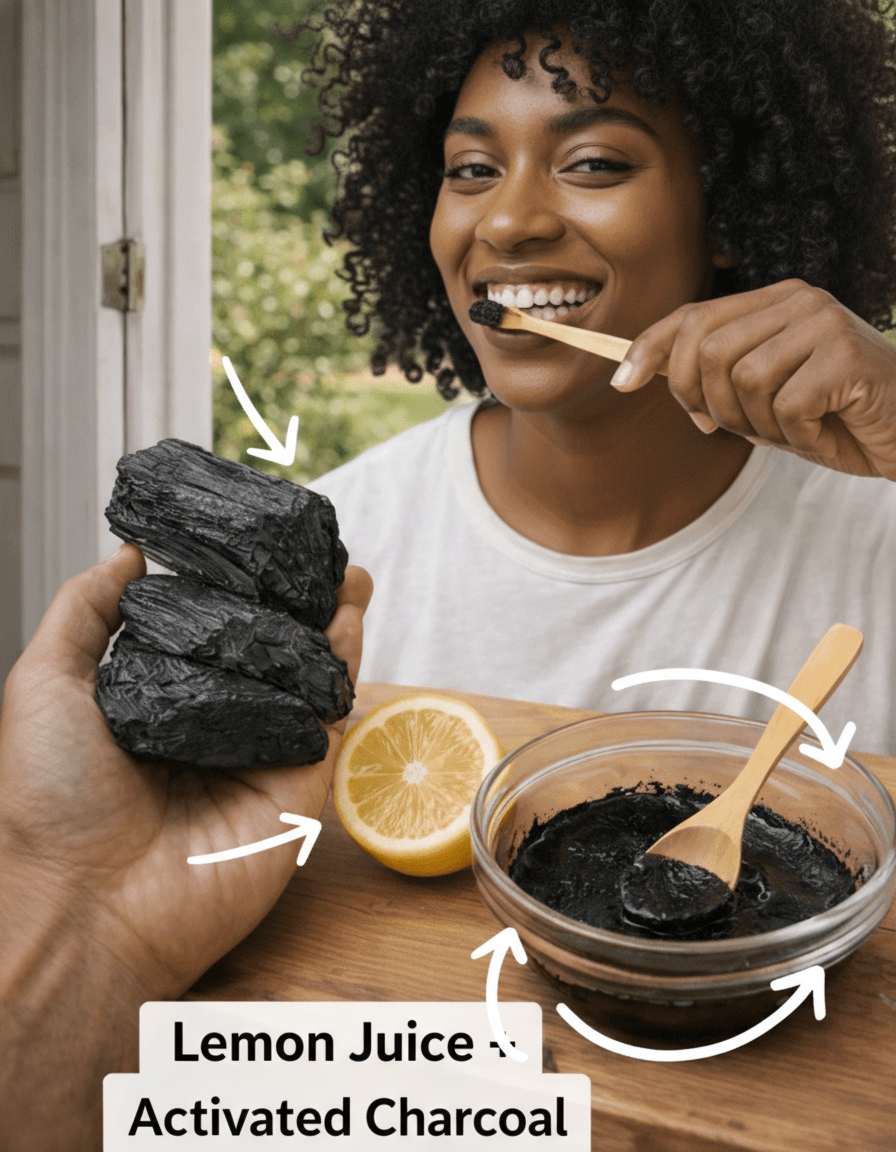
For those interested in the prevalent methods of preparing this mixture at home, the following steps outline a common approach shared across online platforms. Please note, this information is provided purely for context and does not constitute an endorsement or recommendation for use:
- Begin by freshly squeezing the juice from approximately half a lemon into a small, clean bowl.
- Carefully measure and incorporate 1–2 teaspoons of food-grade activated charcoal powder. It is absolutely essential to verify that the product is explicitly labeled as safe for oral consumption.
- Thoroughly mix the ingredients until a consistent, thick paste is achieved. If the consistency is too dry, a minimal amount of water can be added to reach the desired texture.
- Utilizing a soft-bristled toothbrush or a clean fingertip, gently apply the paste to the surfaces of your teeth.
- Allow the mixture to remain on your teeth for a very brief period, typically 1–2 minutes, taking care to avoid prolonged contact.
- Rinse your mouth extensively with water to remove all traces of the paste, then proceed with your usual oral hygiene routine, including brushing with a standard fluoride toothpaste.
- Prior to full application, always perform a patch test on a small, inconspicuous area. Discontinue use immediately if you experience any signs of discomfort or adverse reactions.
DIY Trends Versus Evidence-Based Daily Oral Hygiene
The following comparison starkly illustrates why a multitude of dental professionals advocate for established oral care practices over experimental, unproven mixtures:
| Key Aspect | Activated Charcoal + Lemon Juice Blend | Conventional Fluoride Toothpaste |
|---|---|---|
| Core Action | Surface Adsorption + Minor Abrasion/Acidity | Enamel Strengthening (Fluoride) + Effective Gentle Cleaning |
| Effect on Enamel | Potentially Higher Risk due to Abrasiveness and Low pH | Minimal Risk, Formulated for Safe Daily Application |
| Scientific Validation | Limited Evidence, Especially for Combined Use | Extensive Research Supporting Cavity Prevention & Oral Health |
| Availability & Guidance | Common Household Components | Readily Accessible, Often Endorsed by Dental Associations |
| Suggested Usage | Infrequent, if Considered at All | Recommended Twice Daily for Optimal Benefits |
This clear contrast underscores the significant advantages of relying on scientifically validated products and routines for maintaining long-term oral health.
Anecdotal Accounts: The Perceived (Temporary) Benefits
Despite the concerns raised by dental experts, some individuals who have tried this lemon and activated charcoal concoction report certain perceived benefits. These anecdotal accounts frequently highlight a temporary sensation of freshness in the mouth and a visible, albeit short-lived, improvement in the cleanliness or brightness of their teeth immediately after use. It’s crucial to remember that such observations are subjective and do not equate to scientifically proven, long-term dental health improvements or genuine teeth whitening.