 By admin
 Decoding Skin Tags: What Those Small Growths on Your Skin Really Mean
Spotting a small, fleshy bump hanging from your neck, armpit, or another skin fold can be a bit unsettling. You might wonder what it is, why it’s there, and if it’s a cause for concern. The good news is these common growths, known as skin tags, are almost always harmless. However, understanding their presence can offer surprising insights into your body’s overall health and even point to certain lifestyle factors.
What Exactly Are These Small Skin Growths?
Medically termed acrochordons, skin tags are soft, benign (non-cancerous) growths that typically appear as flesh-colored or slightly darker bits of skin protruding on a thin stalk. Unlike moles or warts, they are usually smooth to the touch and hang freely. They are generally painless and don’t spread like infections.
Where Do Skin Tags Typically Appear?
Skin tags have a preference for areas where skin frequently rubs against skin or clothing. Common locations include:
- The neck and sides of the neck
- Armpits
- Groin area
- Under the breasts
- Eyelids
This pattern highlights friction as a key player in their development, especially as we age and our skin naturally changes.
Why Do Skin Tags Form? Beyond Just Friction
While skin friction from body folds or tight clothing is a primary driver, several other factors contribute to the appearance of skin tags:
- Aging: They become more common after age 40, with studies suggesting nearly half of adults will develop at least one.
- Excess Body Weight: More skin folds increase friction, significantly raising the likelihood of skin tags.
- Hormonal Shifts: Pregnancy, for instance, can trigger their appearance, with some tags fading post-delivery.
- Genetics: A family history of skin tags can also increase your predisposition.
But there’s an even more intriguing connection that often goes unnoticed.
The Unexpected Link: Skin Tags and Metabolic Health
This is where your skin might be sending a subtle message. Research has increasingly linked multiple or sudden increases in skin tags to underlying metabolic conditions, particularly insulin resistance. While a single skin tag is rarely cause for alarm, a noticeable proliferation might prompt healthcare providers to suggest a check of blood sugar levels or a broader discussion about metabolic wellness.
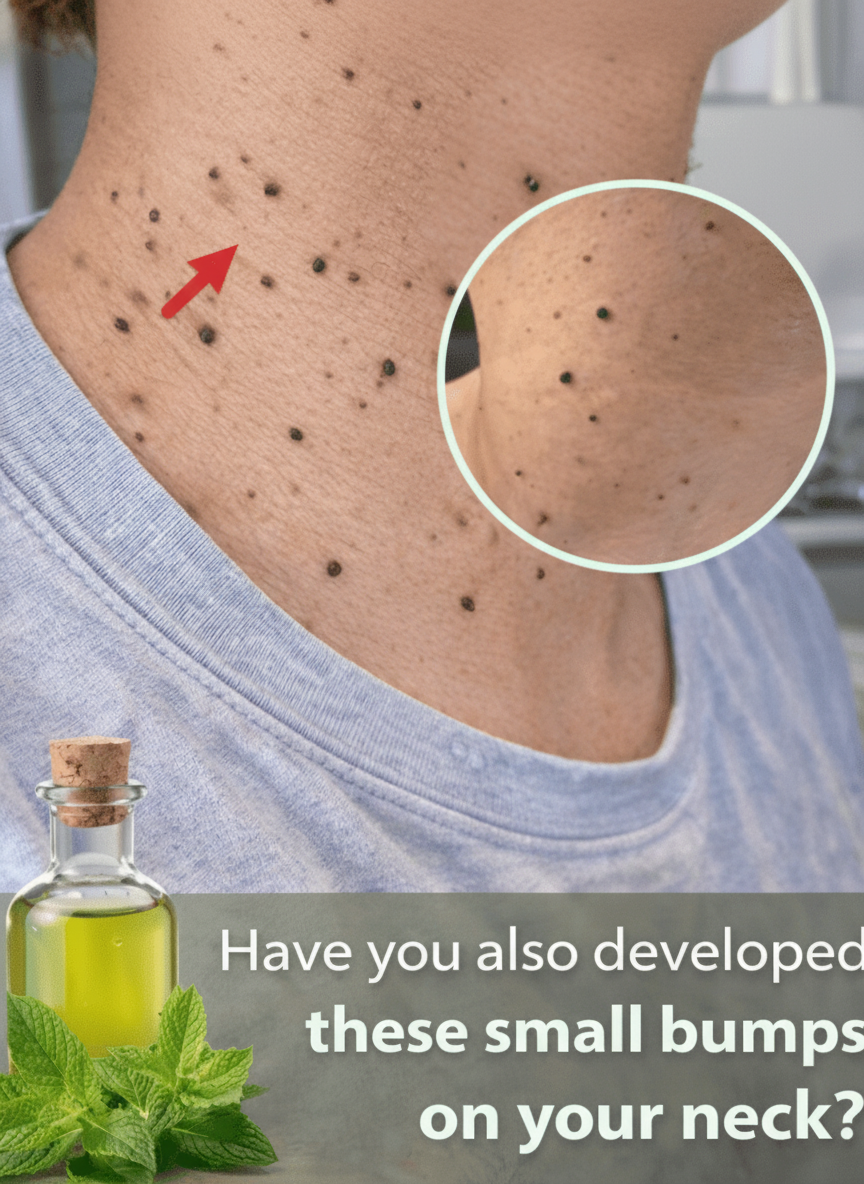
This doesn’t mean every skin tag signals a serious problem, but it serves as a gentle reminder to pay attention to your diet, activity levels, and overall health, especially if combined with other risk factors like excess weight or a family history of diabetes.
Are Skin Tags Dangerous? When to See a Doctor
For the vast majority, skin tags are harmless and don’t require medical intervention unless they become irritated or are a cosmetic concern. However, it’s wise to monitor any skin growth. You should consult a healthcare professional if a skin tag:
- Changes color (e.g., turns black)
- Grows rapidly in size
- Becomes painful or tender
- Starts to bleed regularly
- Appears suddenly and in large numbers
A doctor can confirm the diagnosis and rule out other types of skin lesions, providing peace of mind.
Practical Steps for Healthier Skin and Fewer Tags
While complete prevention isn’t always possible, certain lifestyle adjustments can help reduce the occurrence or irritation of skin tags:
- Opt for Loose Clothing: Minimize friction in skin fold areas with comfortable, breathable fabrics.
- Maintain a Healthy Weight: Balanced eating and regular physical activity can reduce skin folds and associated friction.
- Keep Skin Clean and Dry: Especially in crease areas, to prevent irritation and infection.
- Hydrate and Nourish: Support overall skin health with a nutrient-rich diet and adequate water intake.
Professional Removal: When and How
If a skin tag is bothersome (e.g., catching on jewelry or clothing) or affects your confidence, professional removal is a simple and quick procedure. Dermatologists can remove them using various methods, including cryotherapy (freezing), excision (cutting), or cauterization (burning). These are typically outpatient procedures with minimal discomfort.
Ultimately, while skin tags are common and usually benign, understanding their potential connections to your body’s internal workings empowers you to make informed choices about your health and well-being.