 By admin
 Decoding Nighttime Drooling: Causes, Solutions, and Health Insights
Waking up to a wet spot on your pillow can be an unwelcome surprise, often leaving you feeling a little self-conscious. If you’ve ever experienced this, rest assured you’re not alone; nighttime drooling is a remarkably common occurrence, affecting many individuals during their deepest sleep cycles. While occasional instances are typically harmless, understanding the underlying reasons behind this phenomenon can not only improve your sleep comfort but also help identify potential health signals that might warrant further attention. The good news? For most people, simple adjustments can significantly reduce or eliminate sleep drooling. Let’s explore the common factors at play, including some surprising connections that often go overlooked.
Sleeping Position: The Unseen Influence of Gravity on Saliva
One of the most straightforward explanations for experiencing excess saliva during sleep is your chosen sleeping position. When you sleep on your side or stomach, gravity naturally pulls saliva towards the corner of your mouth. This effect is particularly pronounced as your facial muscles relax deeply during sleep, making it easier for saliva to escape. Research often links these sleeping postures with mouth breathing, especially if nasal passages are even slightly obstructed. This combination—relaxed facial muscles, gravity, and reduced swallowing reflexes during deep sleep—creates an ideal scenario for saliva to leak out.
Opting to sleep on your back can often help mitigate this issue, as gravity then works in your favor, keeping saliva contained within your mouth. However, the story doesn’t end there, especially when nasal breathing becomes challenging.
Nasal Congestion and Allergies: The Primary Driver for Mouth Breathing
Blocked nasal passages frequently compel individuals to breathe through their mouths during the night. This involuntary shift is a common consequence of various conditions, including seasonal allergies, a common cold, or chronic sinus issues, all of which cause inflammation and restrict airflow through the nose. Studies in sleep health consistently show that mouth breathing during sleep significantly increases the likelihood of saliva pooling and escaping the mouth. Beyond the discomfort of a damp pillow, this can also contribute to a dry mouth upon waking or even disrupt sleep quality.
If persistent nasal congestion is a regular concern, proactive measures such as using saline rinses or consulting an allergy specialist can improve nasal breathing and, consequently, reduce sleep drooling over time.
Certain Medications: An Unexpected Effect on Saliva Production
It might come as a surprise, but some prescription and over-the-counter medications can actually stimulate increased saliva production as a side effect. Common culprits often include specific antibiotics, sedatives, anti-inflammatory drugs like ibuprofen, and various medications that influence the nervous system. While not everyone experiences this, for those who do, it can lead to more noticeable drooling during sleep when natural swallowing reflexes are subdued. If you suspect a medication might be contributing to your nighttime drooling, it’s advisable to discuss this with your healthcare provider to explore potential alternatives or adjustments without abruptly discontinuing your treatment.
When Drooling Might Signal Obstructive Sleep Apnea (OSA)
While occasional drooling is largely benign for most, frequent and persistent episodes, especially when coupled with other symptoms like loud, chronic snoring, unexplained daytime fatigue, or waking up gasping for air, could be a red flag for obstructive sleep apnea (OSA). In OSA, the airway repeatedly becomes partially or completely blocked during sleep, forcing the individual to breathe through their mouth. This forced mouth breathing, combined with relaxed oral muscles, allows saliva to escape more readily.
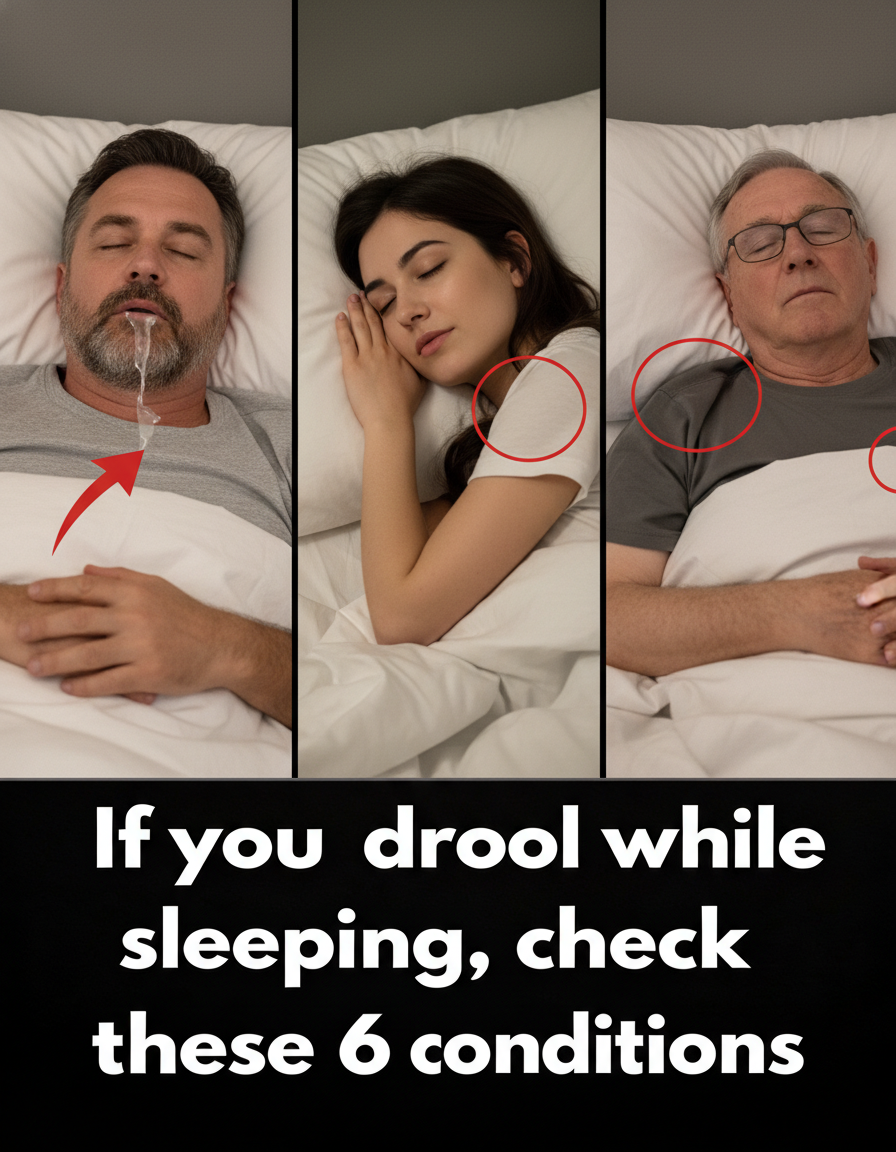
Health experts frequently observe that individuals with undiagnosed or untreated sleep apnea often report excessive saliva or drooling alongside significantly poor sleep quality. If these symptoms sound familiar, a professional sleep study can provide a definitive diagnosis. Effective treatments, such as Continuous Positive Airway Pressure (CPAP) therapy, not only address the apnea but often lead to substantial improvements in overall sleep and a reduction in drooling.
GERD and Acid Reflux: The Digestive Link to Nighttime Saliva
Gastroesophageal reflux disease (GERD), commonly known as acid reflux, can also play a role in increased nighttime saliva. When stomach acid travels back up into the esophagus, the body’s natural defense mechanism is to produce more saliva to help neutralize the acid and wash it back down. This protective response, known as sialorrhea, becomes particularly noticeable when lying down at night, sometimes resulting in drooling or a sour taste in the mouth upon waking.
Implementing certain lifestyle adjustments, such as avoiding heavy meals close to bedtime, elevating the head of your bed, or managing dietary triggers, can often alleviate GERD symptoms. Research consistently supports that effective management of reflux issues frequently reduces associated nighttime discomforts, including excessive drooling.
Other Potential Factors Contributing to Nighttime Drooling
Beyond the more common causes, several other less obvious factors can contribute to nighttime drooling:
- Dental and Oral Health Issues: Inflammation from gum disease, infections, or even ill-fitting dental appliances can temporarily increase saliva production.
- Teeth Grinding (Bruxism): The act of grinding or clenching teeth during sleep can stimulate salivary glands.
- Hormonal Changes: Some individuals, particularly during pregnancy, may notice an increase in saliva due to natural hormonal fluctuations.
- Nasal or Throat Structural Anomalies: Conditions such as a deviated septum, enlarged tonsils, or adenoids can obstruct nasal breathing, thereby encouraging mouth breathing and drooling.
- Neurological Conditions: In rare cases, certain neurological disorders can affect swallowing reflexes or salivary gland control.
If you’re concerned about persistent drooling or suspect any of these underlying issues, a routine check-up with a dentist, an Ear, Nose, and Throat (ENT) specialist, or your primary care physician can help identify the root cause and offer tailored recommendations.
When to Seek Medical Advice
While occasional nighttime drooling is generally benign, it’s wise to consult a healthcare professional if you experience:
- Persistent, heavy drooling that significantly impacts your sleep or daily life.
- Drooling accompanied by symptoms like chronic snoring, gasping, or excessive daytime sleepiness.
- Difficulty swallowing or a feeling of food getting stuck in your throat.
- Sudden onset of drooling without a clear cause.
Understanding the varied reasons behind nighttime drooling empowers you to take proactive steps towards better sleep health and overall well-being. By addressing the root cause, you can often find effective solutions for a more comfortable and dry night’s rest.