 By admin
 Decoding Longevity: Does Your Blood Type Hold Clues to Healthy Aging?
The journey of aging is a universal experience, often marked by the subtle appearance of wrinkles, a gradual decrease in energy, and a natural curiosity about why some individuals appear to maintain their youthful vigor well into their golden years. Despite dedicated efforts toward a healthy lifestyle, many of us seek to understand the underlying elements that contribute to diverse aging trajectories. An intriguing area of scientific inquiry revolves around the potential relationship between our blood type and its influence on longevity and the aging process. While research in this field is still evolving and presents mixed findings, some studies suggest fascinating correlations between specific ABO blood groups and aspects of graceful aging. Join us as we explore the current scientific understanding and discover actionable strategies to enhance your vitality, irrespective of your blood type.
Understanding Blood Types and Their Health Implications
Our individual blood type is defined by the presence or absence of specific antigens on the surface of our red blood cells. The primary classification system, ABO, divides us into four main groups: A, B, AB, and O. Additionally, the Rh factor determines whether our blood is positive (+) or negative (-). These distinctions extend far beyond safe blood transfusions; extensive research has demonstrated their association with varying predispositions to certain health conditions. For instance, studies have investigated how different blood types correlate with aspects of cardiovascular well-being, systemic inflammation levels, and even susceptibility to various diseases – all factors that significantly impact the broader aging continuum. Intriguingly, researchers have also analyzed blood type prevalence among elderly populations and centenarians to identify any recurring patterns.
Research Insights: Blood Types and the Aging Process
Scientific inquiry into the relationship between blood types and aging spans several decades, yielding a diverse range of outcomes across various demographic groups. A particularly compelling area of observation involves studies of centenarians – individuals who have reached the remarkable age of 100 or more. Within these exceptional populations, certain blood types have been observed to occur with greater or lesser frequency compared to the general populace. For instance, specific Japanese studies focusing on centenarian cohorts have indicated a higher-than-anticipated prevalence of blood type B, prompting researchers to consider a potential association with extraordinary longevity in that demographic. Conversely, other analyses, including examinations of historical hospital data and donor records, have identified a greater representation of blood type O among the very elderly and those achieving advanced ages.
Furthermore, several extensive genetic investigations into long-lived individuals have identified specific variations within the ABO gene region among centenarians. These studies occasionally link blood type O to more favorable health indicators, such as reduced susceptibility to cardiovascular disease or certain malignancies. Nevertheless, it’s crucial to acknowledge that scientific findings are not uniformly consistent. Some research reveals no statistically significant differences in blood type distribution between centenarians and their middle-aged counterparts, while other reports suggest a decrease in the representation of certain groups, such as B or AB, as individuals in particular cohorts advance in age. These discrepancies underscore the multifaceted nature of human longevity, where genetic predispositions, environmental influences, dietary habits, and lifestyle choices all intricately intertwine. Blood type, therefore, seems to represent merely one contributing factor, potentially connected to biological aspects like blood clotting propensities (e.g., non-O blood types often exhibit elevated levels of von Willebrand factor) or the efficiency of immune responses.
Understanding the Research: Correlation vs. Causation
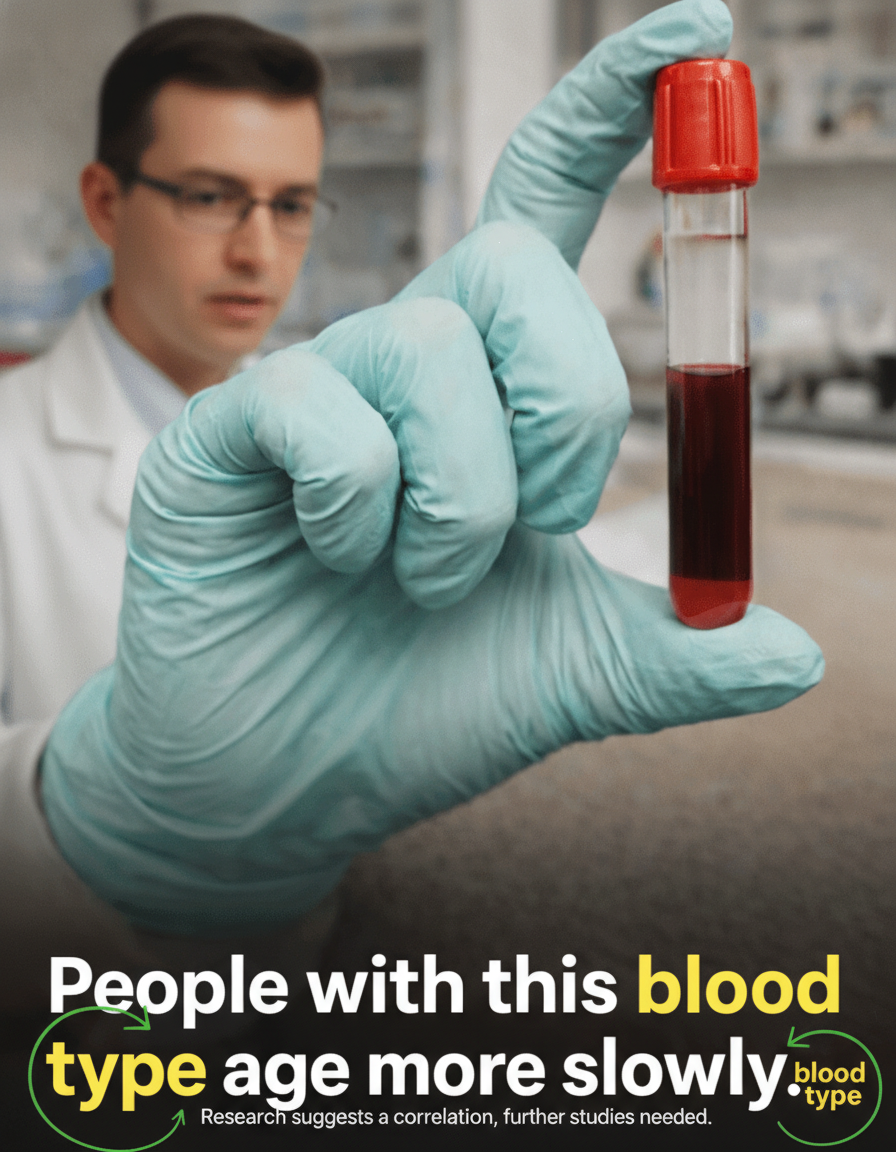
Despite the fascinating associations observed in various studies, it is imperative to state that no specific blood type offers a definitive guarantee of decelerated aging or an extended lifespan. Current research consistently highlights that any identified links are largely correlational, indicating a relationship but not a direct cause-and-effect mechanism. Further rigorous scientific investigation is essential to fully elucidate the underlying biological pathways and clarify these potential connections.
Hypothesized Mechanisms: Bridging Blood Type and Longevity
Researchers propose several intriguing hypotheses regarding how ABO antigens might subtly influence biological processes relevant to healthy aging:
- Inflammation and Immune Regulation: Different blood types may exhibit varied responses to chronic low-grade inflammation, a known contributor to age-related decline, and possess distinct immune system profiles.
- Cardiovascular Health Protection: Certain blood groups have been associated with a reduced risk of specific heart conditions, which could indirectly foster a healthier aging trajectory. For instance, non-O blood types often have higher levels of von Willebrand factor, a blood clotting protein, which can influence cardiovascular risk.
- Cellular Resilience and Repair: Variations in blood type might influence how effectively the body manages cellular stress, repairs damaged tissues, and maintains overall cellular integrity—all crucial aspects of resisting age-related wear and tear.
Crucially, it is vital to remember that these potential influences do not dictate your health destiny. The cumulative impact of your daily lifestyle choices consistently exerts a far more profound and direct effect on your aging process and overall well-being.
Empowering Your Longevity: Actionable Strategies for Healthy Aging
The encouraging news is that optimizing your aging process doesn’t require altering your blood type. Instead, focus on adopting evidence-backed habits proven to foster vitality and well-being at every life stage. Here are comprehensive, practical steps you can integrate into your daily routine starting today:
- Embrace a Nutrient-Rich Diet: Prioritize a heart-healthy eating pattern, such as the Mediterranean diet, abundant in fresh fruits, vibrant vegetables, whole grains, lean protein sources (like poultry, fish, and legumes), and beneficial fats (found in olive oil, avocados, and nuts). This dietary approach is instrumental in regulating inflammation, supporting robust cardiovascular health, and providing essential micronutrients.
- Engage in Regular Physical Activity: Aim for at least 150 minutes of moderate-intensity aerobic exercise each week, or 75 minutes of vigorous activity. Complement this with strength training at least twice a week to maintain muscle mass and bone density, and incorporate flexibility exercises. Regular movement boosts circulation, mood, and overall physical function.
- Master Stress Management: Chronic stress is a significant accelerator of aging. Integrate stress-reducing practices into your life, such as mindfulness meditation, deep breathing exercises, yoga, spending time in nature, or engaging in hobbies you enjoy.
- Prioritize Quality Sleep: Consistent, restorative sleep is fundamental for cellular repair, hormone regulation, and cognitive function. Strive for 7-9 hours of uninterrupted sleep per night, maintaining a regular sleep schedule, even on weekends.
- Cultivate Strong Social Connections: Meaningful relationships and active community engagement have been strongly linked to increased longevity and improved mental well-being. Nurture your social network and participate in activities that bring you joy and connection.
- Undergo Regular Health Check-ups: Proactive medical care, including routine screenings and preventive health assessments, is crucial for early detection and management of potential health issues, allowing for timely interventions.