 By admin
 Decoding Chronic Constipation: Your Body’s Urgent Signals and Effective Natural Solutions for Digestive Wellness
Almost everyone has experienced the unwelcome frustration of occasional constipation. It’s an uncomfortable disruption that can throw off your entire day. However, when this infrequent discomfort evolves into a persistent issue, lasting for several weeks or even months, it signals a more profound concern. Chronic constipation can significantly impact your energy levels, mood, and overall quality of life. The reassuring news is that your body often provides distinct indicators before the condition escalates, and a variety of simple, natural adjustments can help restore balance. Continue reading to understand these crucial signals and discover the everyday habits that can make a substantial difference in achieving regular bowel movements.
Why Chronic Constipation Demands More Than Just Patience
Constipation is classified as “chronic” when an individual experiences fewer than three bowel movements per week over an extended period, typically several weeks to months. This condition affects millions of adults worldwide, making it a surprisingly prevalent health challenge. What many people overlook, however, is the wider impact of prolonged stool retention in the colon. Beyond causing mere bloating, this buildup can exert continuous pressure, affecting the entire gastrointestinal tract. Over time, persistent accumulation may lead to the stretching of the colon, impairing its natural function and making regular elimination even more challenging. Research consistently highlights a link between ongoing constipation and a range of uncomfortable, and potentially serious, health complications if left unaddressed. Proactively recognizing and responding to your body’s early cues is paramount in preventing significant discomfort and more severe health issues.
Key Indicators Your Digestive System Might Be Struggling
Your body possesses both subtle and unmistakable ways of communicating when something is amiss with your digestive health. Pay attention to these common warning signs:
- **Persistent abdominal bloating or discomfort:** A feeling of fullness or unease in the abdomen that doesn’t subside after a day or two.
- **Hard, pebble-like, or difficult-to-pass stools:** Feces that are consistently small, firm, and require significant effort to eliminate.
- **Sensation of incomplete evacuation:** The feeling that your bowels haven’t fully emptied, even immediately after a bowel movement.
- **Excessive straining during defecation:** Needing to push or strain considerably to pass stool.
- **Infrequent bowel movements:** Regularly going three or more days without passing stool.
- **Unexplained fatigue or diminished energy:** A lingering sense of tiredness or low vitality that isn’t easily attributed to other causes.
- **Occasional headaches or heightened irritability:** Mild headaches or a noticeable increase in irritability that can sometimes be linked to digestive distress.
While these symptoms don’t invariably indicate a dangerous underlying condition, they unequivocally signal that your digestive system requires support and attention. Interestingly, many individuals report a significant improvement in their energy levels and mood once regular bowel function is re-established.
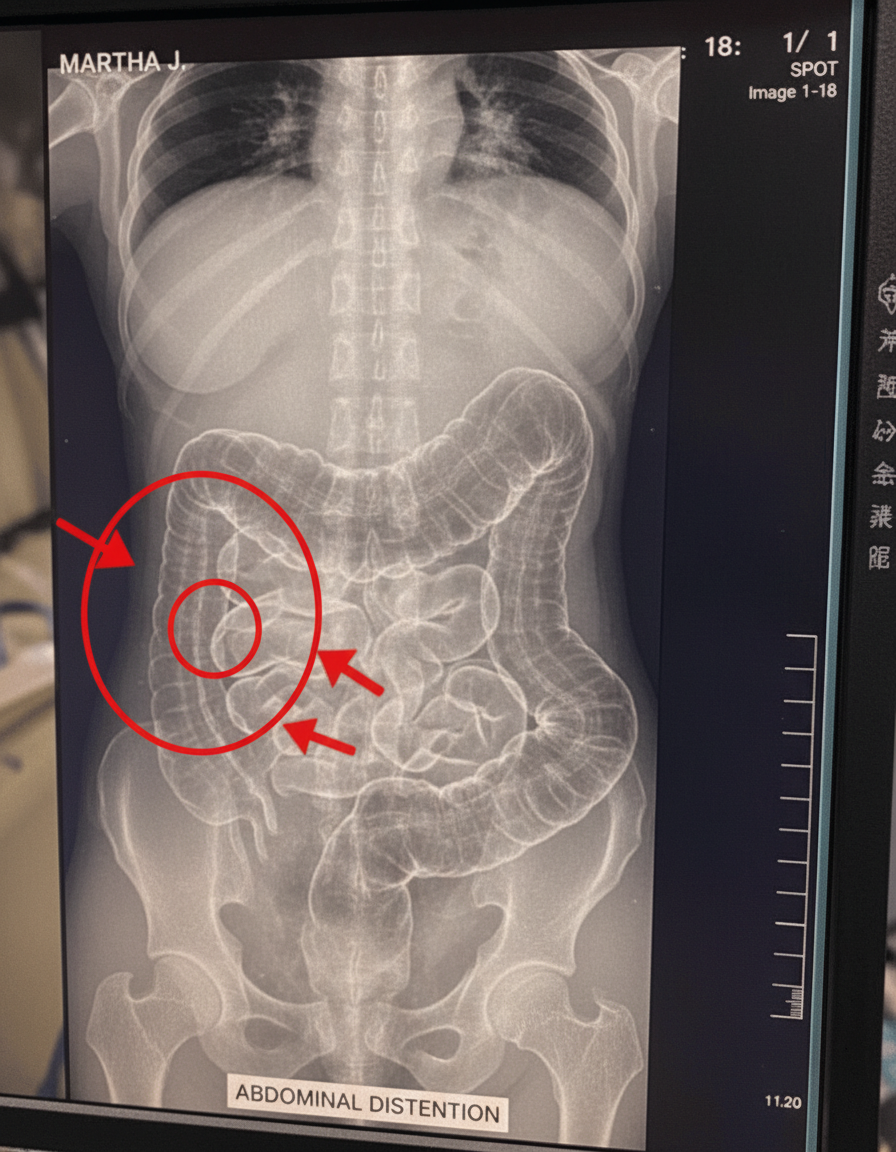
Understanding the Risks of Unresolved Constipation
While most instances of constipation can be resolved through mindful lifestyle adjustments, chronic and unaddressed constipation can sometimes progress to more serious health concerns:
- **Hemorrhoids and Anal Fissures:** Excessive straining during bowel movements places undue pressure on the delicate veins and tissues around the anus, potentially leading to painful hemorrhoids or small tears (anal fissures) that can cause discomfort and occasional bleeding.
- **Decreased Colon Motility:** Over time, the colon may gradually lose its natural muscular tone and efficiency, exacerbating constipation and creating a vicious cycle.
- **Fecal Impaction/Intestinal Obstruction:** In rare but severe cases, a prolonged buildup of hardened stool can create a complete blockage within the intestine, a condition known as fecal impaction, which necessitates urgent medical intervention.
- **Potential for Increased Health Risks:** Some research suggests a correlation between chronic constipation and an elevated risk of certain colon-related issues later in life. This is likely due to the prolonged exposure of the colon lining to waste materials. This underscores the critical importance of addressing the root causes of constipation early on.
Natural Strategies to Cultivate Healthy Bowel Movements
The most effective approach to managing and preventing constipation often involves adopting gentle, consistent lifestyle habits. Here are evidence-backed strategies that prove beneficial for the majority of individuals:
- **Gradually Increase Your Fiber Intake:** Fiber acts as nature’s gentle internal broom, adding crucial bulk and softness to stool, making it easier to pass. Excellent dietary sources include:
- Fresh fruits such as apples, pears, a variety of berries, and kiwis (consume with skin when appropriate).
- Abundant vegetables like broccoli, carrots, various leafy greens, and Brussels sprouts.
- Wholesome grains including oats, brown rice, and quinoa.
- Legumes such as beans, lentils, and chickpeas.
- Beneficial seeds like chia, flax, and psyllium.
Aim for a daily intake of 25–30 grams of fiber. A practical tip: kickstart your morning with overnight oats, generously topped with fresh berries and a tablespoon of ground flaxseed for an easy fiber boost.
- **Prioritize Adequate Hydration:** Water is indispensable for fiber to perform its function effectively. Without sufficient fluid intake, even a diet rich in fiber can inadvertently worsen constipation. Most adults should target consuming approximately 1.5–2 liters (roughly 6–8 glasses) of water daily. Starting your day with warm liquids, such as warm water with a slice of lemon, can gently stimulate the digestive system.
- **Incorporate Daily Physical Activity:** Regular movement stimulates the muscles of the intestines, aiding in the propulsion of stool. Even moderate physical activity can significantly impact bowel regularity. Adopting a simple habit like a 30-minute walk after dinner is one of the most effective strategies. Numerous studies confirm that consistent exercise markedly improves overall bowel function and reduces constipation.
- **Establish a Consistent Bathroom Routine:** Your digestive system thrives on predictability. Endeavor to visit the bathroom at the same time each day, ideally shortly after a meal when the gastrocolic reflex (the natural urge to have a bowel movement after eating) is strongest. Crucially, never ignore the urge to go; delaying can cause stool to become harder and more difficult to pass later.