 By admin
 In the vast landscape of online skincare advice, certain claims go viral, promising miraculous results with common household ingredients. Among these, the idea that baking soda can “erase” wrinkles or blemishes has gained significant traction. However, as responsible health content creators, we must prioritize accuracy and safety above all else. Leading dermatologists and trusted health resources, such as Healthline, consistently highlight the critical lack of robust scientific evidence supporting any anti-aging benefits of baking soda for facial skin.
Furthermore, regular application of baking soda (sodium bicarbonate) on the face carries substantial risks. Its naturally alkaline pH (around 8-9) is drastically different from the skin’s healthy acidic mantle (which typically ranges from 4.5 to 5.5). This severe pH imbalance can disrupt the skin’s natural protective barrier, leading to increased irritation, excessive dryness, and potential damage over time. While its mildly abrasive nature might be utilized for very gentle exfoliation on tougher body skin or in bath soaks, its use on the delicate facial area demands extreme caution. Any proposed facial application must be highly diluted, used very infrequently, and always preceded by a thorough patch test.
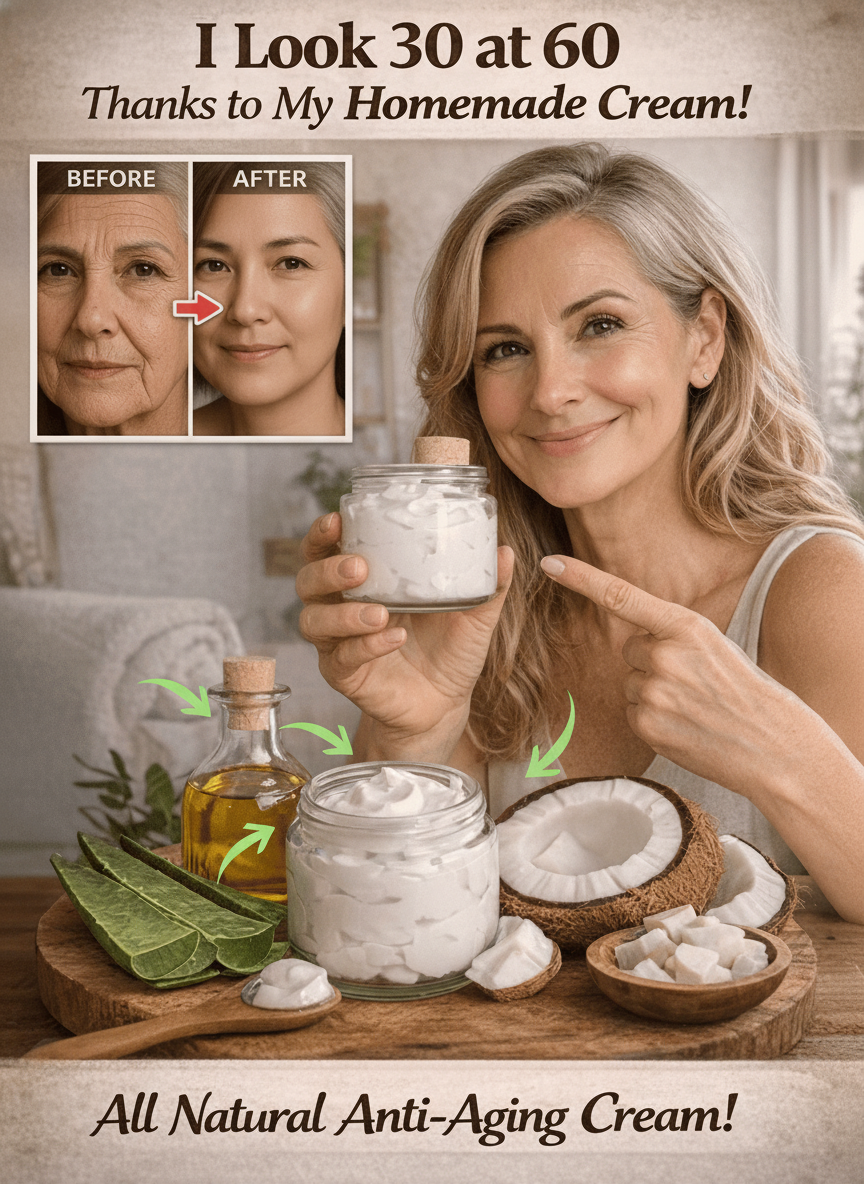
It’s crucial to understand that no DIY “cream” can genuinely eliminate wrinkles or stubborn blemishes. The complex processes of skin aging involve factors like natural collagen loss, cumulative