 By admin
 Blood clots can emerge discreetly within your circulatory system, often without immediate indicators. However, when symptoms do manifest, overlooking them can precipitate grave health consequences. Many individuals might experience abrupt swelling or discomfort in a single leg, reminiscent of a severe muscle cramp, or an unexplained, sudden onset of breathlessness. These are far from trivial discomforts; they could signify a condition demanding immediate clinical evaluation to avert critical risks, such as a clot migrating to the lungs. Reputable institutions like the Mayo Clinic and the Centers for Disease Control and Prevention (CDC) underscore the profound importance of recognizing these physiological changes swiftly. Yet, a crucial aspect often overlooked is that certain symptoms can surface in less expected areas, and being aware of these could prove life-saving. Continue reading to explore a comprehensive list of vital indicators and the immediate actions you should consider.
Blood Clots Explained: Formation, Risks, and Critical Importance
Blood clots are essentially gel-like masses of blood designed by the body to halt bleeding following an injury. However, when these clots develop inappropriately within veins, they can impede normal blood circulation. This phenomenon frequently occurs in deep veins, a condition medically termed deep vein thrombosis (DVT), most often affecting the legs or arms. Studies indicate that approximately half of DVT occurrences initially present without noticeable symptoms, underscoring the vital need for vigilance. Should a fragment of such a clot detach and migrate to the lungs, it results in a pulmonary embolism (PE)—a potentially fatal medical emergency. The CDC reports that venous thromboembolism (VTE), an umbrella term encompassing both DVT and PE, impacts as many as 900,000 individuals in the United States annually. Various elements, including extended periods of inactivity, recent surgical procedures, pregnancy, or specific medications, can elevate one’s susceptibility, though anyone can develop a clot. The encouraging news is that proactive self-monitoring and swift action upon noticing any bodily changes can significantly contribute to early detection and intervention.
Recognizing Deep Vein Thrombosis (DVT): Key Symptoms in Legs and Arms
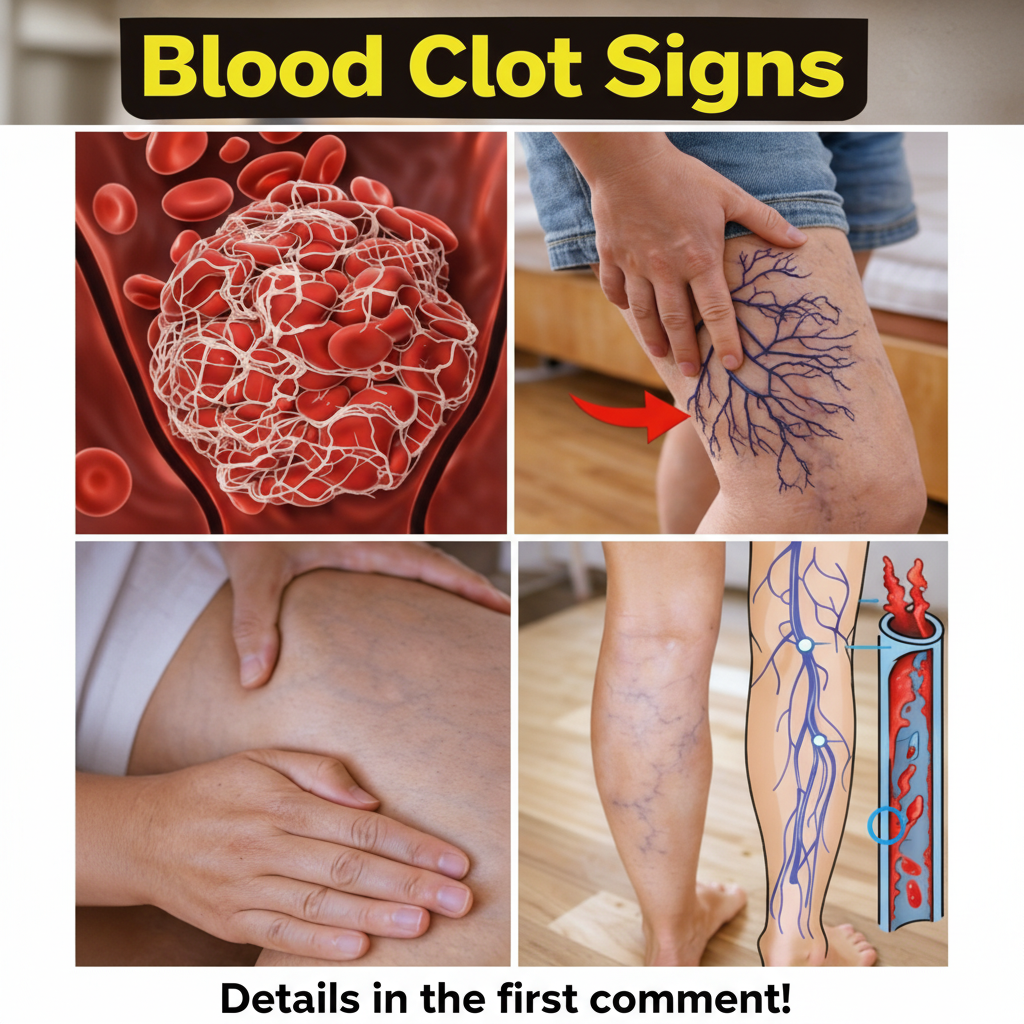
The majority of blood clots originate in the lower limbs, with symptoms typically manifesting on only one side of the body. Here are the crucial indicators to observe:
- Unilateral Swelling: Noticeable puffiness in one leg or arm, frequently localized in the calf, thigh, or extending across the entire limb. The affected area might also feel unusually heavy or taut.
- Persistent Pain or Tenderness: A sensation akin to a severe cramp or deep ache, often originating in the calf, which intensifies with standing or walking.
- Localized Warmth: The skin over the affected region may feel distinctly warmer to the touch compared to the surrounding or opposite limb.
- Skin Discoloration: Changes in skin tone, presenting as reddish, purplish, or bluish hues. It’s important to note that the visibility of these changes can vary significantly depending on an individual’s natural skin pigmentation.
- Prominent Veins: The appearance of enlarged, distended, or hardened veins that are visible just beneath the skin’s surface.
It’s crucial to understand that these manifestations can often be mistaken for less severe conditions, such as a strained muscle, leading many to dismiss them. Therefore, if swelling or pain manifests abruptly and does not subside with rest, it warrants immediate medical evaluation. While less common, blood clots can also form in the arm, particularly after an injury or intravenous (IV) line usage. In such cases, similar signs of swelling, pain, and warmth in one arm should prompt concern.
Emergency Indicators: When a Blood Clot Reaches the Lungs (Pulmonary Embolism)
Should a blood clot dislodge from its original site and travel to the lungs, the resulting symptoms, indicative of a pulmonary embolism (PE), can emerge with startling suddenness and severity. Mayo Clinic specialists strongly advise seeking emergency medical attention without delay if you observe any of the following:
- Abrupt Shortness of Breath: Experiencing sudden difficulty breathing, even when at rest or engaging in minimal physical exertion.
- Acute Chest Pain: A sharp, stabbing pain in the chest that often intensifies with deep inhalation or coughing.
- Accelerated or Irregular Heartbeat: A noticeable increase in heart rate or an erratic heart rhythm.
- Persistent Cough: A new or worsening cough, which may occasionally produce blood-tinged sputum.
- Lightheadedness or Syncope: Feelings of faintness, severe dizziness, or actual loss of consciousness.
- Anxiety and Clammy Skin: A sudden onset of intense anxiety, often accompanied by cool, moist skin.
It cannot be overstated: these signs constitute a medical emergency. Dial 911 (or your local emergency number) or proceed to the nearest emergency room immediately, as swift medical intervention is paramount for survival.
Beyond the Usual: Less Common Yet Critical Clot Locations
Blood clots are not confined to the legs, arms, or lungs; they can impact other vital organs, presenting with distinct and equally urgent symptoms:
- Cerebral Clots (Brain): Presenting with symptoms akin to a stroke, such as sudden onset of weakness or numbness affecting one side of the body, difficulty articulating words, or abrupt alterations in vision. These must be regarded as an immediate medical emergency.
- Cardiac Clots (Heart): Manifesting as chest pain that radiates to the arm, back, or jaw. While these symptoms can overlap with other cardiac conditions, any sudden, unexplained chest discomfort warrants urgent medical assessment to err on the side of caution.
Empowering Yourself: Immediate Steps and Prevention Strategies
Should you recognize any of the aforementioned indicators, procrastination is not an option. Consider the following crucial steps:
- Symptom Evaluation: Meticulously record the onset of symptoms, the specific body part affected, and any potential precipitating factors, such as extended travel or recent surgical procedures.
- Seek Medical Consultation: For symptoms localized in the leg or arm, arrange an urgent appointment with your primary care physician. For any chest pain or breathing difficulties, immediately seek emergency medical services.
- Proactive Risk Management: Maintain an active lifestyle, ensure adequate hydration, and consciously avoid extended periods of immobility. Incorporating simple practices, like regular stretching and walking during long flights or car journeys, can be highly beneficial.
- Understand Your Medical History: If you have a personal or family history of blood clots, or if you are currently on medications known to increase clot risk, engage in a comprehensive discussion with your doctor regarding tailored prevention strategies.
Adhering to these guidelines equips you with the knowledge and capability to react promptly and appropriately.
Why Early Awareness Saves Lives: The Data Speaks
The critical importance of early symptom recognition is consistently highlighted by authoritative public health organizations, including the CDC and the