 By admin
 Waking up after a restless night often leaves us feeling mentally exhausted, turning routine tasks into daunting challenges. The familiar brain fog, impaired focus, and difficulty making decisions can severely hinder productivity and lead to mounting frustration as the day progresses. While many assume the only remedy is waiting for the next opportunity to sleep, groundbreaking research, with insights pointing towards 2026 developments, suggests a potential ally in combating the cognitive toll of sleep deprivation: creatine. This article delves into how this compound might support brain energy, drawing from recent studies and offering practical habits to consider.
Why Sleep Deprivation Drains Your Mental Energy
Sleep isn’t merely about resting your body; it’s crucial for optimal brain function. When you’re sleep-deprived, your brain doesn’t just feel tired; its fundamental energy management systems are compromised. After approximately 18 to 24 hours of insufficient sleep, critical cognitive functions such as reaction time, memory recall, and complex decision-making can noticeably deteriorate. This isn’t merely a feeling; it’s a profound biological shift.
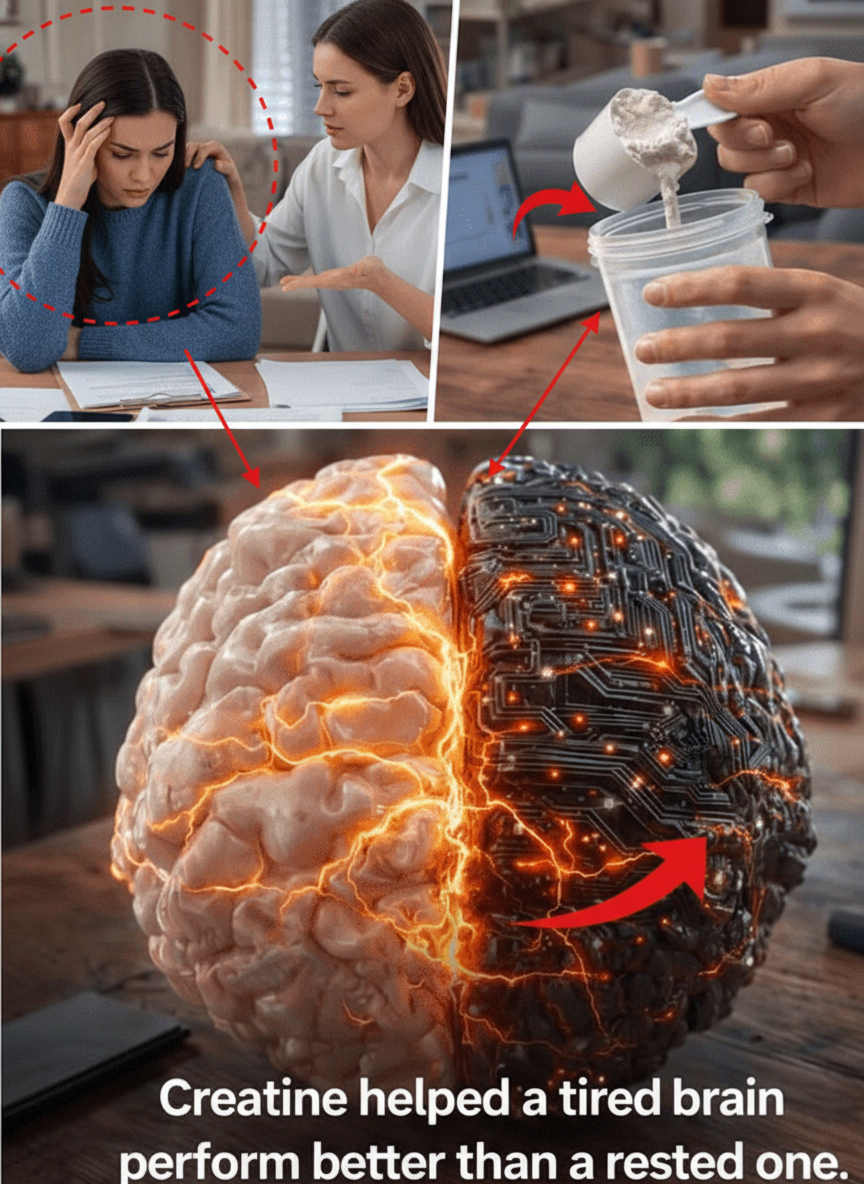
At its core, your brain relies on a constant and robust supply of energy to ensure neurons communicate effectively. The primary energy currency for these intricate processes is adenosine triphosphate (ATP). Prolonged wakefulness, however, can lead to a gradual depletion of ATP levels, mirroring