 By admin
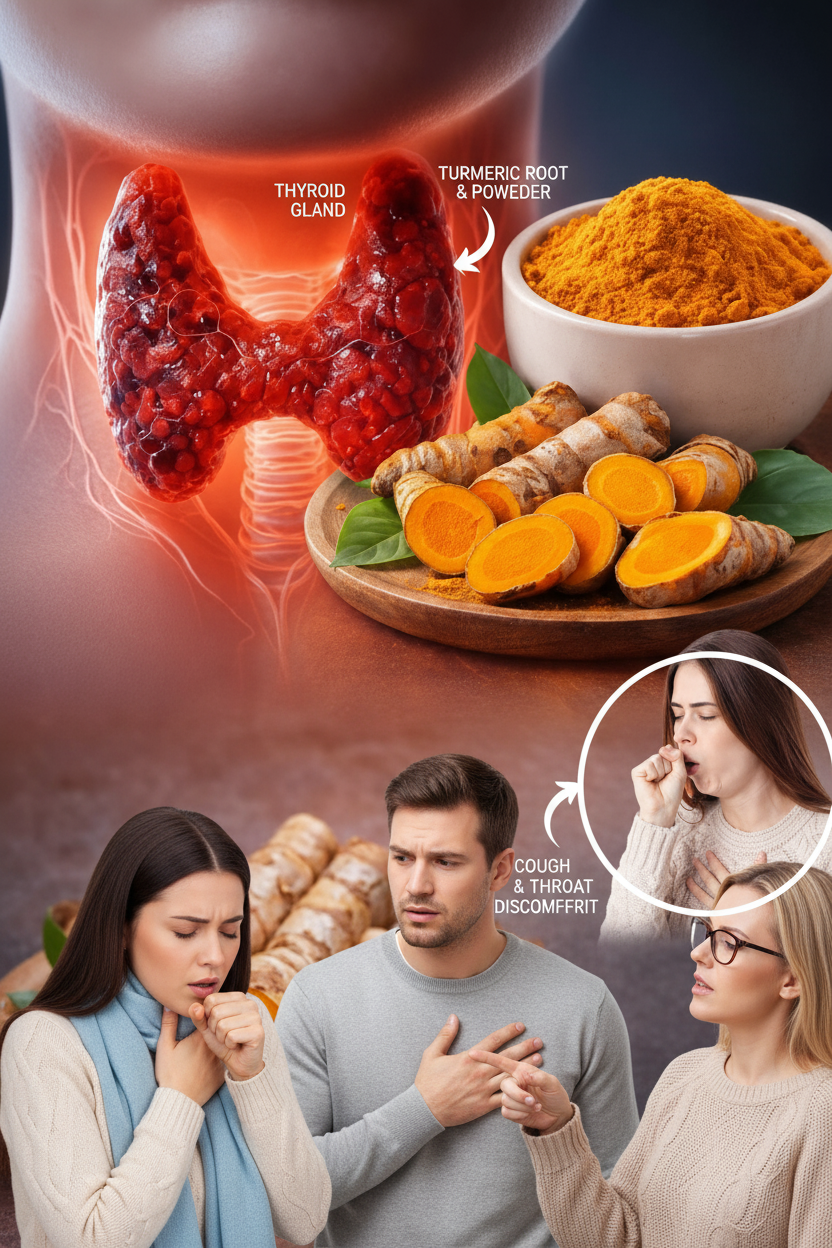
 As we navigate life beyond 50, maintaining optimal health becomes a key focus, and thyroid function often emerges as a common concern. Many individuals experience a natural deceleration of thyroid activity, leading to conditions like hypothyroidism, characterized by symptoms such as persistent fatigue, unexplained weight fluctuations, or increased inflammation. This natural shift frequently sparks curiosity about complementary natural remedies, with turmeric (specifically its active compound, curcumin) often highlighted for its potential benefits.
\n
While online discussions sometimes portray turmeric as a dramatic “cure” or a powerful thyroid balancer, it’s crucial to approach these claims with a critical eye. Scientific evidence, largely derived from preliminary lab studies, animal research, and limited human trials, primarily points to turmeric’s mild anti-inflammatory and antioxidant properties. There is currently no robust proof to suggest it can directly cure thyroid dysfunction or reverse conditions like goiter. Any potential benefits are likely subtle and best realized when integrated within a broader healthy lifestyle.
\n
Curcumin may offer gentle relief by mitigating inflammation, a factor often associated with autoimmune thyroid conditions like Hashimoto’s, and by combating oxidative stress. However, it’s essential to be aware of potential risks and medication interactions. Always prioritize consulting your healthcare provider, particularly if you are on medication or managing existing health conditions.
\n\n
What Research Reveals About Turmeric and Thyroid Health
\n
Investigating the scientific literature provides a clearer picture of turmeric’s potential impact on thyroid health. Here’s what current research suggests:
\n
- \n
- Anti-Inflammatory & Antioxidant Properties: Curcumin is well-documented for its ability to lower inflammatory markers. Animal studies, in particular, have indicated its potential to protect thyroid cells from damage, suggesting a fundamental protective role against cellular stress.
- Hashimoto’s & Hypothyroidism Support: A few small-scale human trials, sometimes involving turmeric combined with other botanicals (like boswellia), have reported modest reductions in thyroid antibodies or nodule size. These findings are encouraging but require much larger, more rigorous studies for confirmation.
- Goiter & Hyperthyroidism: Limited evidence exists for these conditions. One observational study noted an association between regular turmeric consumption and a lower incidence of goiter. However, this is an isolated finding and not sufficient to draw definitive conclusions.
- General Thyroid Function: Crucially, there are no large-scale, randomized controlled trials (RCTs) directly demonstrating turmeric’s ability to “heal” the thyroid or significantly normalize hormone levels. The research remains mixed and preliminary regarding direct hormonal impact.
\n
\n
\n
\n
\n\n
Potential Support & Evidence Levels
\n
| Potential Support Area | Evidence Level | Realistic Impact After 50 |
|---|---|---|
| Inflammation Reduction | Moderate (small human/animal studies) | May provide mild comfort and systemic benefit |
| Antioxidant Protection | Strong (in vitro/lab studies) | Supports cellular health and reduces oxidative damage |
| Goiter/Nodule Management | Limited (observational/small trials) | Any benefits would likely be subtle, if present |
| Hormone Balance | Mixed/Preliminary | No proven direct impact on thyroid hormone levels |
\n\n
Important Considerations: Risks & Interactions
\n
While generally safe when used in culinary amounts, high doses of turmeric or curcumin supplements can pose risks. Animal studies have indicated that very high doses might potentially lower thyroid hormones. Furthermore, turmeric can interact with certain medications, including blood thinners (increasing bleeding risk) and blood sugar-lowering drugs. Always discuss any supplement use with your doctor, especially if you have pre-existing conditions or are taking prescription medications.
\n\n
Safe Ways to Integrate Turmeric Into Your Routine After 50
\n
If you’re considering adding turmeric to your diet for potential health benefits, here are some practical and safe approaches:
\n
- \n
- Culinary Use: Incorporate ½ to 1 teaspoon of ground turmeric daily into your cooking. Add it to curries, soups, stews, or roasted vegetables. For enhanced absorption, always combine it with a pinch of black pepper, which contains piperine.
- Golden Milk or Turmeric Tea: A comforting and popular option, ‘Golden Milk’ typically blends turmeric with warm milk (dairy or plant-based) and black pepper. You can also brew turmeric tea using ground turmeric or fresh root.
- Supplements: If considering a supplement, opt for a doctor-approved, low-dose formulation. Start with the smallest effective dose and carefully monitor your body’s response and any potential symptoms. Always choose reputable brands.
\n
\n
\n
\n\n
Conclusion: Gentle Support Possible, But Professional Guidance is Paramount
\n
Turmeric, through its active compound curcumin, offers promising antioxidant and anti-inflammatory properties that may provide gentle, complementary support for overall health and potentially for thyroid function after the age of 50. It can be a delightful and healthful addition to your daily meals and beverages.
\n
However, it is crucial to temper enthusiasm with realism. While traditional use and preliminary research are encouraging, claims of dramatic thyroid healing or complete rebalancing lack strong scientific backing. Moreover, potential risks and drug interactions necessitate caution for some individuals.
 \n
\n
Ultimately, a holistic approach to wellness includes a balanced diet, regular exercise, and consistent communication with healthcare professionals. For any specific thyroid concerns, always consult an endocrinologist or your primary care physician for accurate diagnosis and personalized medical advice.
\n\n
Disclaimer: Informational Content Only
\n
This article is intended for informational purposes only and does not constitute medical advice. The evidence discussed is limited and should not replace professional medical consultation. Individual results may vary. Always consult with a qualified healthcare professional before making any decisions related to your health or starting any new supplement regimen.
\n\n
Share this:
\n
- \n
\n
\n
\n
\n
\n
\n
\n