 By admin
 Combat Morning Joint Pain: The 3 Essential Vitamins You Might Be Missing
Waking up to stiff, aching joints that only begin to ease after 30 to 60 minutes of movement is a surprisingly common complaint, especially among individuals over 40 or 50. Medical professionals often refer to this phenomenon as “morning gel” or “inflammatory stiffness.” While factors like arthritis, previous injuries, or repetitive strain can certainly contribute, a frequently overlooked root cause is a subtle, subclinical deficiency in three pivotal vitamins. These nutrients are vital for maintaining healthy joint cartilage, mitigating inflammation, and ensuring the optimal function of synovial fluid.
Based on recent nutritional and rheumatology research conducted between 2020 and 2025, here are the three vitamins most strongly implicated in morning joint discomfort. Addressing these deficiencies often leads to noticeable relief within 4 to 12 weeks.
Vitamin D: The Primary Link to Joint Stiffness
Why it’s Almost Always the First to Check
Vitamin D receptors are widely distributed throughout the body, including in cartilage, synovial tissue, and immune cells within the joints. A deficiency in this crucial vitamin can trigger low-grade inflammation, hinder cartilage repair processes, heighten pain sensitivity, and weaken the muscular support surrounding joints. This cascade of effects directly contributes to the classic morning stiffness that paradoxically improves with activity, as movement temporarily boosts local circulation.
Key Evidence Supporting Vitamin D’s Role
- Multiple comprehensive meta-analyses consistently demonstrate that vitamin D levels below 30 ng/mL are strongly associated with an elevated risk of osteoarthritis progression, more intense joint pain, and prolonged morning stiffness.
- Randomized controlled trials (RCTs) involving vitamin D-deficient patients suffering from knee or hip osteoarthritis have shown significant reductions in both pain and stiffness once their vitamin D levels were corrected to an optimal range of 40–60 ng/mL.
Who is Most Susceptible After Age 50?
- Limited Sun Exposure: An indoor lifestyle, consistent sunscreen use, living in northern latitudes, or having darker skin pigmentation can significantly reduce natural vitamin D synthesis.
- Obesity: Vitamin D is fat-soluble and can become sequestered within adipose (fat) tissue, making it less bioavailable.
- Malabsorption Issues: Conditions affecting gut health or procedures like gastric bypass surgery can impair vitamin D absorption.
Practical Daily Targets for Optimal Joint Health
- Blood Level Goal: Aim for 40–60 ng/mL (or 100–150 nmol/L).
- Dietary & Sun Sources: Incorporate fatty fish (e.g., salmon, sardines) 2–3 times per week, combined with 15–20 minutes of midday sun exposure when possible.
- Supplementation: Most individuals will require 2,000–5,000 IU of vitamin D3 daily, ideally taken with a fatty meal to enhance absorption, to reach and maintain optimal levels.
Vitamin K2 (MK-7 Form): Your Joint’s Unsung Calcium Director
Why it’s the Hidden Joint Protector
Vitamin K2 plays a critical yet often overlooked role in joint health by activating matrix Gla protein (MGP). MGP acts as a crucial inhibitor, preventing calcium from inappropriately depositing in soft tissues such as joints, arteries, and cartilage. Without adequate K2, calcium can accumulate in joint structures, leading to increased stiffness, reduced flexibility, and accelerated cartilage degeneration.
Key Evidence Supporting Vitamin K2’s Role
- Research indicates a clear correlation between higher vitamin K2 intake and lower severity of osteoarthritis, along with reduced joint calcification.
- Supplementation with the MK-7 form of K2 (typically 180–360 mcg/day) has been shown to alleviate morning stiffness and enhance mobility in patients with early-stage osteoarthritis.
Who is Most Susceptible to Deficiency?
- Low Intake of Fermented Foods: Traditional fermented foods, particularly natto, are the richest sources of K2. Modern diets often lack these.
- Long-term Antibiotic Use: Antibiotics can disrupt gut bacteria that contribute to endogenous K2 production.
- High Vitamin D Without K2: While vitamin D enhances calcium absorption, K2 is essential for directing that calcium to the correct places (bones) and away from soft tissues (joints).
Practical Daily Targets for Optimal Joint Health
- Target Intake: Aim for 100–200 mcg of MK-7 (the most bioavailable form).
- Food Sources: Excellent sources include natto (1–2 tablespoons provides 300–500 mcg), hard cheeses (like Gouda, Edam, Brie), and egg yolks.
- Supplementation: Consider 100–180 mcg of MK-7 daily, taken with a fatty meal for optimal absorption.
Vitamin B12: The Overlooked Nutrient for Nerve and Energy Support
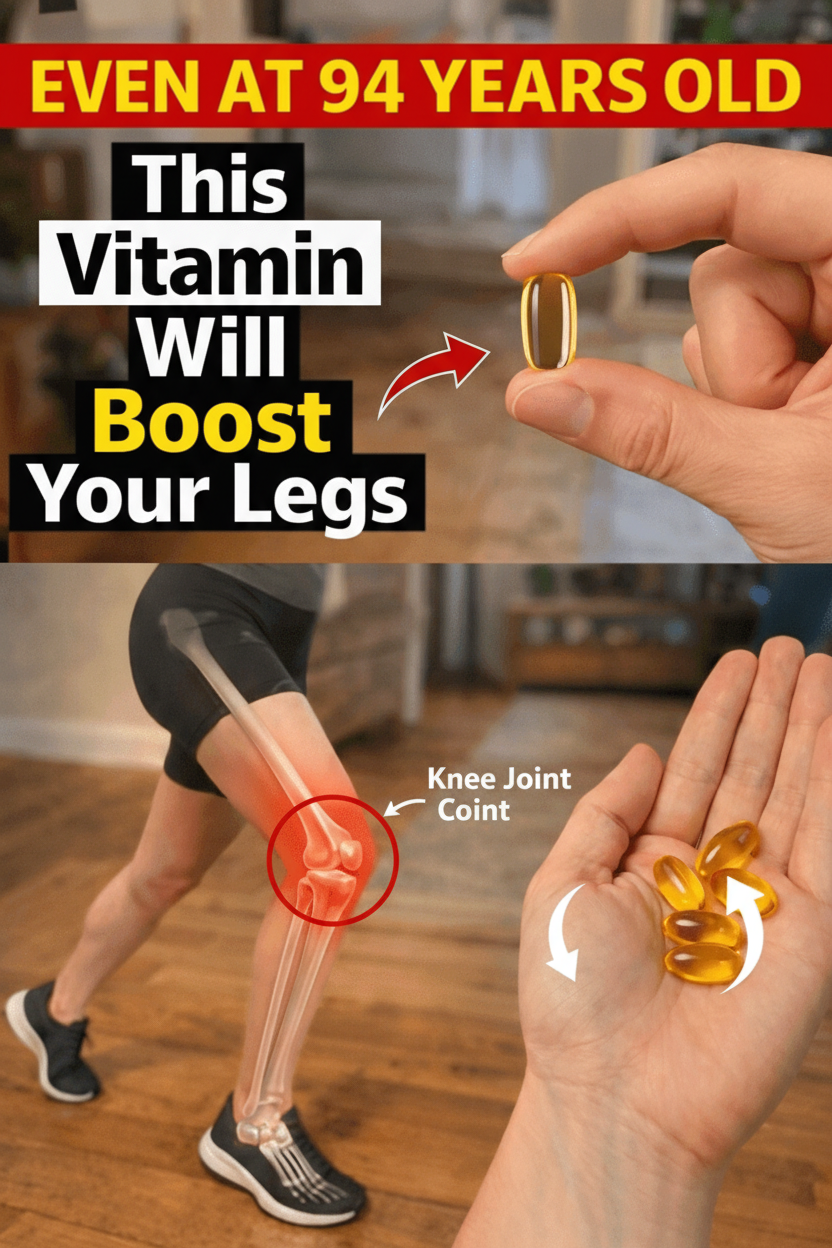
Why it’s Overlooked But Critical for Joint Comfort
Vitamin B12 deficiency can lead to nerve irritation, known as neuropathy, in the areas surrounding joints. This can manifest as burning sensations, persistent aching, or stiffness that often feels worse in the morning. Furthermore, B12 is essential for red blood cell production. A deficiency can reduce oxygen delivery to muscles and joints, leading to fatigue and weakness that can significantly amplify pain perception.
Key Evidence Supporting Vitamin B12’s Role
- Studies have linked B12 deficiency to elevated inflammatory markers and poorer joint pain scores, especially in older adults.
- Correcting a B12 deficiency frequently results in a reduction of morning stiffness and nerve-related discomfort, often within 4–8 weeks.
Who is Most Susceptible to Deficiency?
- Age Over 50: The body’s ability to absorb B12 from food sharply declines with age.
- Long-term Medication Use: Medications such as metformin, proton pump inhibitors (PPIs like omeprazole), and H2 blockers can interfere with B12 absorption.
- Vegetarians/Vegans: B12 is primarily found in animal products, making plant-based diets a risk factor for deficiency.
- Gastric Issues: Conditions like gastric bypass surgery or atrophic gastritis can impair B12 absorption.
Practical Daily Targets for Optimal Joint Health
- Blood Level Goal: Aim for >500 pg/mL, with optimal levels often considered >650–900 pg/mL.
- Food Sources: Rich sources include clams, liver, beef, eggs, and fortified nutritional yeast.
- Supplementation: A daily dose of 500–1,000 mcg of methylcobalamin or sublingual B12 is often recommended, as sublingual forms bypass stomach absorption issues.
A Simple Daily Regimen for Joint Support
Integrating these vitamins into your daily routine can be straightforward:
- Morning: Take 2,000–5,000 IU of vitamin D3 with breakfast, ideally including egg yolks for enhanced absorption.
- Midday: Consume 100–180 mcg of MK-7 with a fatty meal, perhaps alongside leafy greens or fermented foods.
- Anytime: Take 500–1,000 mcg of B12 (methylcobalamin or sublingual form), either under the tongue or with a meal.
Complementary Lifestyle Habits for Enhanced Comfort
Beyond vitamin supplementation, these habits can further support joint health:
- Engage in 20–30 minutes of gentle daily movement, such as walking or yoga.
- Ensure adequate magnesium intake (300–400 mg of magnesium glycinate before bed can be beneficial).
Expected Timeline & Outcomes
Consistency is key when addressing nutritional deficiencies. Here’s a realistic timeline for experiencing improvements:
- Weeks 1–4: You may notice a reduction in morning stiffness, particularly due to the effects of vitamin D. Nerve-related burning or aching (from B12) should also begin to subside.
- Weeks 4–12: Expect easier movement and a less “creaky” sensation in your joints. Overall energy levels may improve, and fatigue should be reduced.
- Months 3–6: Continued, sustained improvement in joint comfort and mobility. Many individuals report their “knees feel 5–10 years younger.”
Important Clarification
While these vitamins can significantly improve joint comfort and function, they do NOT reverse advanced osteoarthritis or completely regenerate severely damaged cartilage. They primarily support joint health, reduce inflammation, and alleviate symptoms associated with deficiencies.