 By admin
 For many, the day doesn’t truly begin until that first aromatic sip of coffee. But while your morning brew might jumpstart your mind, it could be subtly dimming the brilliance of your smile. Over time, those seemingly innocent cups can leave unsightly stains, making you feel self-conscious. The good news? You don’t have to give up your beloved ritual to maintain bright teeth. Let’s uncover why coffee causes discoloration and effective strategies to keep your smile sparkling.
Why Does Coffee Leave Its Mark?
Coffee is a global favorite, yet it’s also a prime culprit behind tooth discoloration. The primary reasons lie in its unique composition:
- Chromogens: These dark, pigment-producing compounds readily attach to tooth enamel.
- Tannins: Found naturally in coffee, tannins are plant-based compounds that not only contribute to coffee’s bitter taste but also help chromogens cling more effectively to your teeth.
- Acidity: Coffee is acidic, and this acidity can temporarily soften and erode tooth enamel, making it more porous and susceptible to staining by chromogens and tannins.
Beyond the Brew: Other Factors Influencing Stains
- Enamel Thickness: Naturally thinner enamel can make teeth appear more yellow or prone to staining as the underlying dentin shows through.
- Oral Hygiene: Inconsistent or improper brushing allows stain-causing particles to accumulate and set.
- Smoking/Tobacco Use: These habits significantly worsen tooth discoloration.
- Age & Genetics: Enamel naturally thins with age, and some individuals are genetically predisposed to more noticeable staining.
The Role of Whitening Toothpaste
Modern whitening toothpastes are formulated to combat surface stains from food and drinks like coffee. They typically employ a combination of ingredients:
- Mild Abrasives: Gently polish the tooth surface to scrub away superficial stains.
- Chemical Agents: Certain chemicals help dissolve or break down discoloration.
- Preventive Compounds: Some formulas include ingredients designed to prevent new pigments from adhering to enamel.
Studies indicate that with consistent use (typically 2-4 weeks), whitening toothpastes can effectively brighten coffee-stained teeth by removing surface discoloration. However, it’s crucial to remember they primarily address superficial stains, not deep, intrinsic discoloration.
The Viral Coffee & Toothpaste Trick: Does It Work?
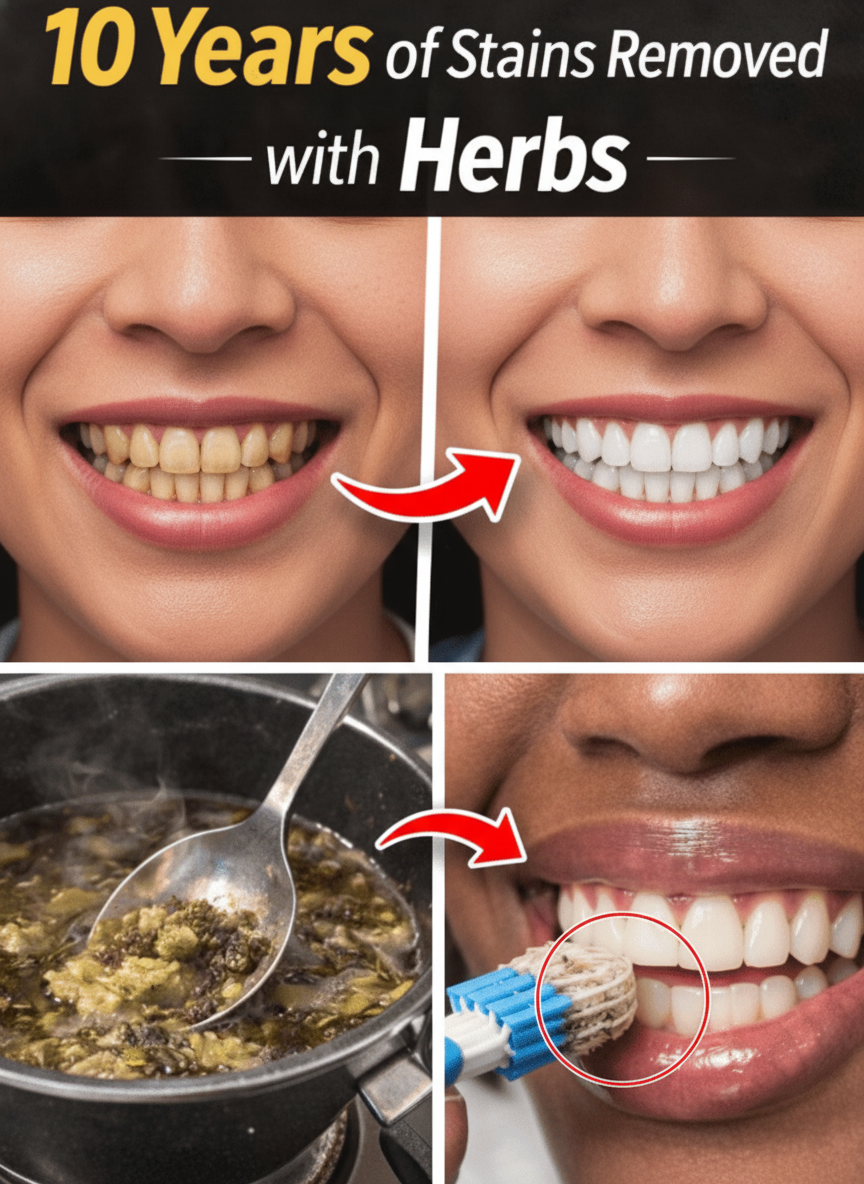
A recent trend involves mixing coffee (grounds or a few drops) directly with toothpaste and brushing. Proponents suggest the fine texture of coffee grounds acts as an exfoliant, while the toothpaste does its usual job.
Why People Believe It Works (And Its Limitations)
While some might report mild, immediate improvements, it’s vital to understand the science:
- Gentle Mechanical Polishing: The tiny particles in coffee might offer a very mild abrasive action, temporarily scrubbing away some loose surface debris.
- Increased Brushing Time: Any extended brushing, even with plain toothpaste, can remove more surface stains.
- Immediate Cleaning Effect: Brushing itself removes surface buildup, making teeth appear slightly brighter for a short period.
Crucial Limitations:
- No Whitening Power from Coffee: Coffee itself contains no bleaching agents. The perceived “whitening” comes solely from the toothpaste’s action and the mechanical brushing.
- Subtle, Temporary Results: Any noticeable changes are likely minimal and short-lived, far from professional whitening effects.
- Risk of Enamel Damage: Regularly using abrasive substances (like coffee grounds) can prematurely wear down your enamel. As enamel thins, the yellowish dentin underneath becomes more visible, potentially making teeth appear more yellow in the long run and increasing sensitivity.
Dentists strongly caution against this DIY method due to the significant risk of irreversible enamel damage without substantial whitening benefits.
Dentist-Approved Tips to Keep Your Smile Bright
For coffee lovers, maintaining a bright smile is achievable with these practical, dentist-recommended habits:
- Brush Before You Sip: Brushing your teeth before coffee helps remove plaque, which pigments love to cling to, reducing the initial staining opportunity.
- Rinse Immediately After: A quick swish with water after your coffee can wash away many of the staining compounds before they have a chance to set.
- Limit Sipping Duration: Try to finish your coffee in one sitting rather than sipping it over an extended period. This reduces the prolonged exposure of your teeth to staining agents.
- Use Whitening Toothpaste Regularly: Incorporate a good quality ADA-approved whitening toothpaste into your daily routine to combat surface stains.
- Regular Professional Cleanings: Biannual dental cleanings are essential for removing plaque, tartar, and stubborn surface stains that at-home brushing might miss.
By understanding how coffee affects your teeth and adopting smart oral hygiene practices, you can continue to enjoy your morning brew without compromising your radiant smile.