 By admin
 It’s a familiar scenario for many: catching a glimpse of your smile in a photo or hearing a polite comment about a tooth stain, and suddenly, self-consciousness sets in. Yellowed or discolored teeth can lead to embarrassment, causing individuals to hide their smile when speaking or laughing. While the market is flooded with expensive whitening products promising instant results, many fail to integrate seamlessly into daily life. Fortunately, certain simple habits can contribute to a brighter, cleaner-looking smile right at home.
One intriguing combination frequently shared online involves mixing coffee grounds with toothpaste. But is there any real science behind this viral trend, and more importantly, how can it be used safely without damaging your teeth? Continue reading, as crucial insights and expert recommendations will be shared throughout this article, especially towards the end.
Understanding Tooth Discoloration: Why Teeth Lose Their Luster
Before exploring any at-home whitening methods, it’s essential to grasp why our teeth gradually lose their natural brightness. Over time, teeth naturally undergo color changes. The outermost layer, known as enamel, thins with age, allowing the yellowish dentin layer beneath to become more visible. However, various lifestyle choices often accelerate this process. Key culprits include:
- Regular consumption of pigmented beverages like coffee and tea
- Exposure to tobacco products, including smoking
- Drinking red wine and consuming dark-colored foods
- Inconsistent or inadequate brushing habits
- Accumulation of plaque and tartar along the gumline
- The natural aging process of tooth enamel
Dental research indicates that chromogens, which are pigment-producing compounds found in drinks like coffee, adhere to the enamel surface, gradually deepening stains over time. It’s important to note that not all tooth stains are identical. They can be broadly categorized as:
- Surface Stains (Extrinsic): These appear on the outer enamel, typically caused by food, beverages, and tobacco. They are often the most responsive to improved cleaning and mild polishing techniques.
- Internal Discoloration (Intrinsic): Originating from within the tooth structure, these stains are usually due to aging, certain medications, or dental trauma, and are less responsive to surface treatments.
- Plaque Stains: Found near the gumline, these are a result of inadequate oral hygiene, leading to plaque buildup.
It is primarily surface stains that the coffee and toothpaste method aims to address. However, there’s a significant caution to consider before attempting this popular hack.
The Coffee Grounds & Toothpaste Hack: Unpacking the Viral Trend
Viral online videos frequently demonstrate individuals combining a small quantity of coffee grounds with their regular toothpaste, then brushing their teeth for approximately two minutes. This might seem counterintuitive, given coffee’s reputation for causing stains. Yet, the rationale behind this method lies in the abrasive texture of the coffee grounds, rather than their color.
Coffee grounds possess a fine, gritty surface that proponents believe can act as a gentle abrasive. When mixed with toothpaste, the theory is that this combination could help polish away superficial stains from the tooth enamel. The typical demonstration involves:
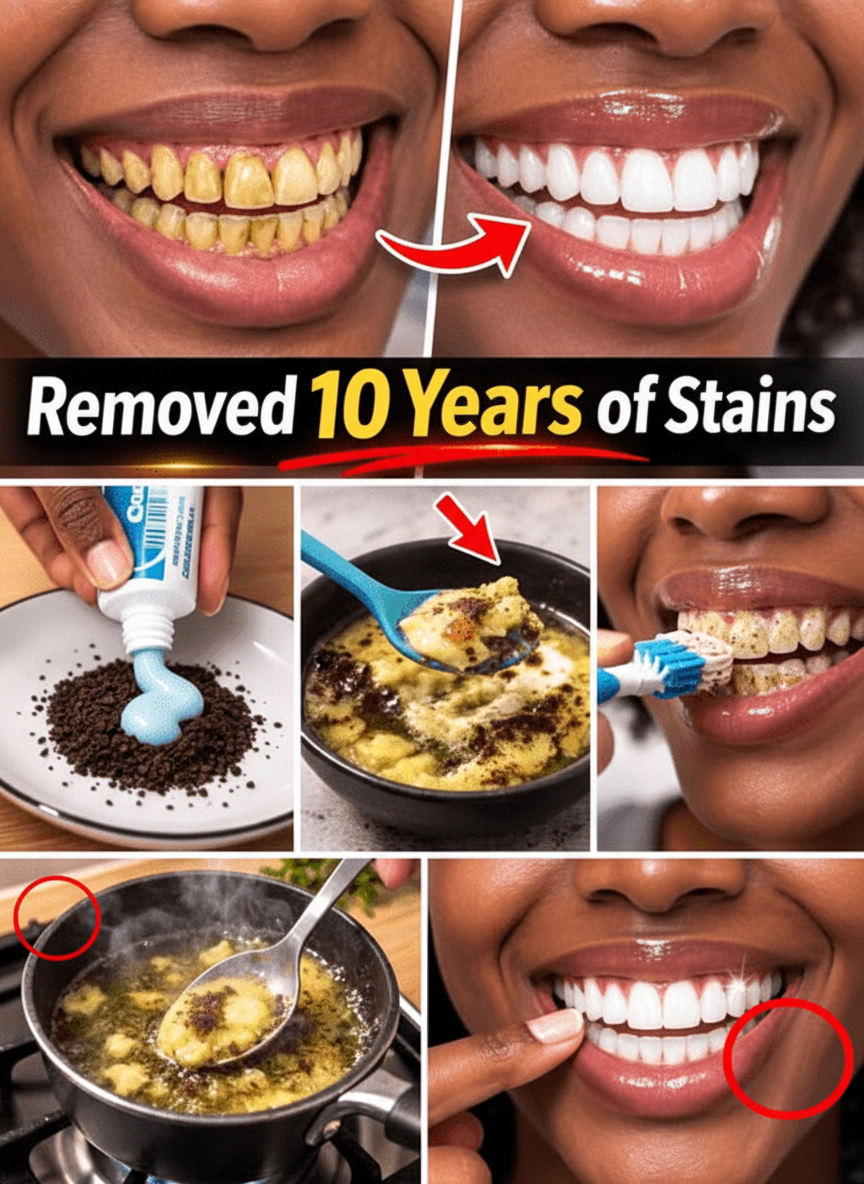
- Dispensing a pea-sized amount of toothpaste onto a toothbrush.
- Adding a small pinch of very fine coffee grounds to the toothpaste.
- Gently brushing the teeth with this mixture for about two minutes.
- Thoroughly rinsing the mouth with water afterward.
However, it’s crucial to understand that this approach is not universally recommended. Dental professionals consistently advise extreme caution when using abrasive ingredients on teeth. Overly aggressive scrubbing or using overly coarse materials can lead to the irreversible erosion of tooth enamel over time. Therefore, moderation in application and meticulous brushing technique are paramount to avoid potential damage.
What Dental Experts Advise for a Brighter, Healthier Smile
While some dental experts acknowledge that mild polishing can indeed improve the appearance of surface stains, they overwhelmingly prioritize safer, scientifically-backed daily oral hygiene practices. Research consistently emphasizes several key factors for maintaining a naturally brighter and healthier smile:
- Brushing consistently twice a day for two minutes each time.
- Using a fluoride toothpaste to strengthen enamel and prevent cavities.
- Rinsing your mouth with water immediately after consuming coffee, tea, or other staining foods/drinks.
- Scheduling regular professional dental cleanings and check-ups.
- Significantly limiting or completely avoiding tobacco use.
Studies on oral hygiene unequivocally demonstrate that consistent mechanical plaque removal is the most reliable and safest method for preserving tooth brightness and overall dental health. In essence, simple, consistent daily habits far outweigh the fleeting appeal of viral hacks. While curiosity about new methods is natural, it’s vital to experiment with extreme care and always prioritize the long-term health of your enamel, as it does not regenerate once worn down.
A Safer, Gentle Approach to Managing Surface Stains
If you choose to experiment with a mild polishing routine for surface stain removal, the utmost priority should be a gentle technique to protect your enamel. Follow these cautious steps:
- Step 1: Choose the Right Tool. Always use a soft-bristle toothbrush. Hard bristles can damage enamel and irritate sensitive gums.
- Step 2: Start with Your Regular Toothpaste. Apply a small, pea-sized amount of your usual fluoride toothpaste.
- Step 3: Introduce Coffee Grounds (Optional & Minimal). If you opt to try the coffee polishing idea, use only a tiny pinch of very fine coffee grounds and mix them lightly with the toothpaste. Avoid large or coarse particles.
- Step 4: Brush Gently. Use small, circular motions to brush your teeth for approximately two minutes. Absolutely avoid aggressive scrubbing or applying excessive pressure.
- Step 5: Rinse Thoroughly. After brushing, rinse your mouth meticulously with water to remove all residue.
- Step 6: Follow with Standard Brushing. Conclude your routine with a normal brushing session using toothpaste alone to ensure complete cleanliness and fluoride application.
However, here’s the crucial point many people overlook: while these methods might offer minor improvements for surface stains, the biggest and most reliable advancements in achieving truly whiter teeth and optimal oral health come from professional dental care and consistent, dentist-approved daily hygiene practices.