 By admin
 Cloves for Thicker, Longer Hair: Separating Viral Claims from Real Benefits
In the vast landscape of natural beauty remedies, few ingredients have captured the internet’s attention for hair care quite like cloves. Social media platforms are awash with dazzling before-and-after photos and enthusiastic testimonials, claiming that incorporating cloves – whether whole, as an essential oil, or an infusion – can lead to dramatically thicker, longer, and shinier hair in a remarkably short timeframe, often cited as less than 30 days. But is there solid truth behind these viral sensations, or is it merely another fleeting trend in the pursuit of luscious locks?
The Hype vs. Reality: Do Cloves Really Deliver Rapid Hair Growth?
Cloves (Syzygium aromaticum) are more than just a fragrant spice; they are packed with beneficial compounds. Key among these is eugenol, a potent antioxidant and anti-inflammatory agent, alongside essential nutrients like manganese. Traditionally, cloves have been valued in various cultures for their potential to promote overall scalp health and well-being. However, when it comes to the dramatic claims of rapid hair transformation, a closer look at the scientific evidence reveals a more nuanced picture.
While anecdotal reports frequently praise cloves for reducing hair fall and enhancing hair shine, robust scientific backing for accelerated growth or significant thickening within a month is largely absent. Most existing research consists of in-vitro (lab) studies, animal trials, or small human trials primarily demonstrating mild antimicrobial and anti-inflammatory effects. There is no strong, conclusive proof that cloves can deliver “thicker hair in 30 days” or substantially speed up hair growth beyond its natural pace, which typically averages around 0.5 inches (1.25 cm) per month.
Many viral claims, often supported by subjective before-and-after imagery, can be influenced by factors like improved hair hydration, better styling practices, or even the placebo effect. Any noticeable benefits from consistent clove usage are more likely to manifest as subtle conditioning and enhanced scalp comfort over several months rather than a rapid, dramatic overhaul.
Potential Hair and Scalp Benefits Rooted in Tradition and Science
Despite the lack of evidence for overnight miracles, cloves do offer several properties that could contribute to a healthier scalp and improved hair appearance over time:
- Enhanced Scalp Health: The eugenol content in cloves possesses natural antimicrobial and anti-inflammatory properties. This can help soothe an irritated scalp, combat minor fungal or bacterial issues, and create a healthier environment for hair follicles to thrive.
- Antioxidant Protection: Cloves are rich in antioxidants, which play a crucial role in protecting hair follicles from oxidative stress caused by environmental aggressors and free radicals. This protection can potentially support stronger, healthier hair strands and contribute to a reduction in mild hair fall.
- Traditional Warming Sensation: In traditional practices, cloves are often associated with a warming effect, believed to gently stimulate blood circulation to the scalp. While scientific proof for significant circulation improvement directly impacting hair growth is limited, enhanced blood flow is generally considered beneficial for nutrient delivery to follicles.
- Subtle Conditioning and Shine: Regular, diluted application can impart a natural luster to hair and provide a mild conditioning effect, contributing to a healthier, more vibrant look.
Safe Ways to Incorporate Cloves into Your Hair Care Routine
If you’re interested in exploring the potential benefits of cloves for your hair, it’s crucial to use them safely and correctly. Always remember to dilute clove preparations and perform a patch test on a small area of skin (e.g., behind the ear or inner forearm) at least 24 hours before full application to check for any irritation or allergic reactions. Limit usage to 1-2 times per week.
1. Clove-Infused Oil (Highly Popular)
This method is widely favored for its ease of use and the nourishing benefits of carrier oils.
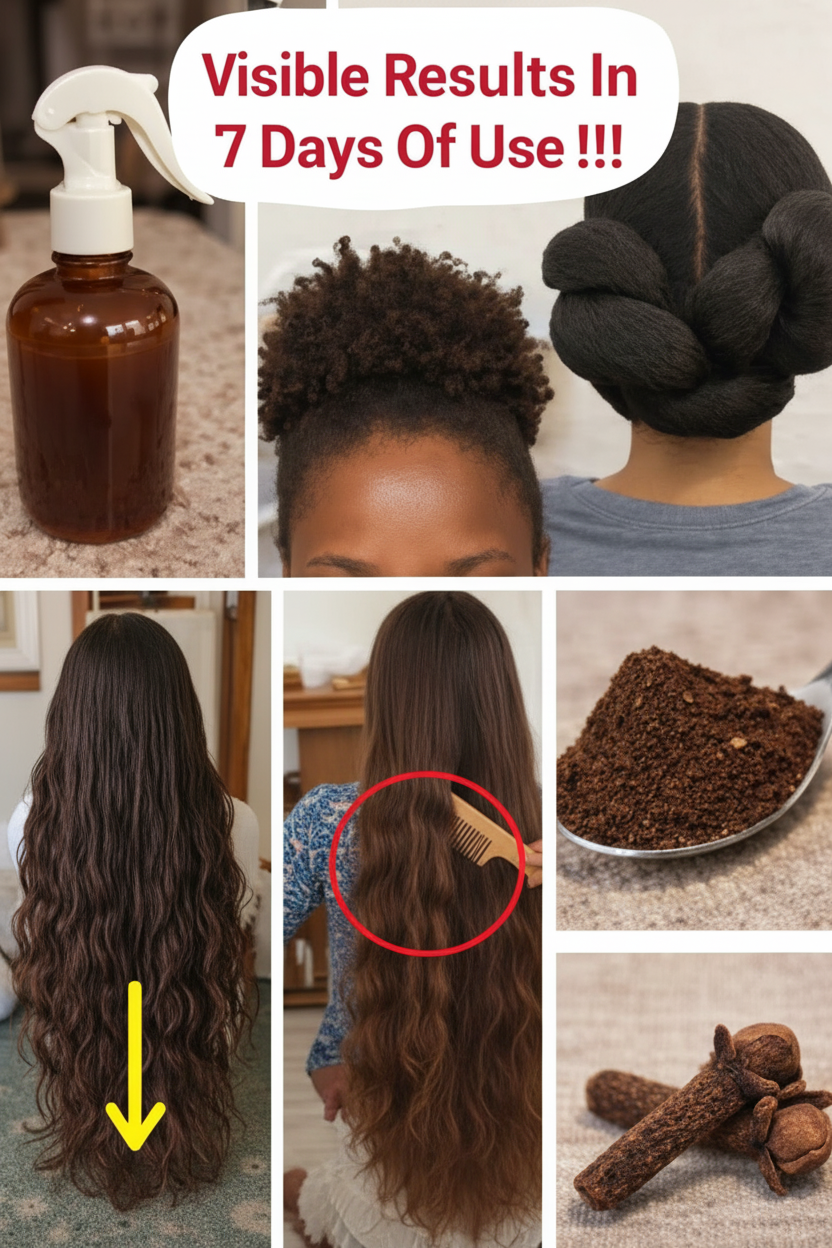
- Preparation: Gently crush 10-20 whole cloves and add them to approximately 1/2 cup (120ml) of a carrier oil such as coconut, olive, jojoba, or castor oil. Allow the mixture to infuse in a dark, cool place for 1-2 weeks, shaking daily. Strain the oil to remove the clove pieces before use.
- Application: Massage a small amount of the infused oil into your scalp using your fingertips. You can leave it on overnight for deep conditioning before shampooing, or for at least 30 minutes prior to washing.
2. Clove Water Rinse
A simple and refreshing way to utilize cloves for scalp health.
- Preparation: Boil 10-15 whole cloves in about 2 cups (480ml) of water for 5-10 minutes. Remove from heat, let it cool completely, and then strain out the cloves.
- Application: After shampooing and conditioning your hair, use the cooled clove water as a final rinse. Gently pour it over your scalp and hair, massaging it in. Do not rinse with plain water afterward.
3. Clove Tea Scalp Soak
A more concentrated treatment for direct scalp application.
- Preparation: Steep 1-2 tablespoons of whole or crushed cloves in 1 cup (240ml) of hot water for about 15-20 minutes, similar to making tea. Let it cool completely and strain.
- Application: Apply the cooled clove tea directly to your scalp using a spray bottle or cotton ball. Gently massage it in. You can leave it on for 30 minutes to an hour before rinsing with water, or leave it in for an all-day scalp tonic if desired (ensure no residue).
Additional Tip: If you find the scent too strong, a few drops of a complementary essential oil like rosemary or peppermint can be added to the infused oil or rinse. Always avoid contact with eyes.
Important Safety Considerations and Realistic Expectations
- Potential for Irritation: Eugenol is a potent compound. Using undiluted clove oil or highly concentrated clove preparations can cause significant skin irritation, burning sensations, or allergic contact dermatitis, especially on sensitive scalps. Dilution and patch testing are non-negotiable for safe use.
- Allergic Reactions: While rare, some individuals may develop an allergic reaction to cloves, manifesting as a rash, itching, or swelling. Discontinue use immediately if any adverse reactions occur.
- Not a Solution for Rapid Growth or Severe Hair Loss: It is crucial to understand that cloves are not a miracle cure for significant hair loss conditions or a shortcut to rapid hair growth. For persistent hair thinning, excessive shedding, or any underlying scalp issues, consulting a dermatologist or a healthcare professional is essential for an accurate diagnosis and appropriate treatment plan.
Conclusion: A Gentle Aid, Not a Fast Transformation
Cloves offer an appealing natural option for supporting scalp health and potentially enhancing hair’s natural shine, thanks to their eugenol content and antioxidant properties. They can be a pleasant and traditional addition to a holistic hair care ritual, offering comfort and mild benefits. However, the widespread claims of achieving “thicker, longer hair in less than 30 days” remain largely unsubstantiated by scientific evidence. Embrace cloves for their subtle contributions to overall hair well-being when used safely and consistently as part of a balanced routine, but maintain realistic expectations and seek professional advice for any serious hair concerns.
Frequently Asked Questions (FAQs)
- How quickly can I expect to see results from using cloves on my hair?
Any noticeable benefits, such as improved scalp comfort or subtle shine, typically develop over several months of consistent and safe use. Rapid growth or thickening within weeks is not scientifically supported. - Can cloves be used daily on hair?
Due to the potency of eugenol, it’s generally recommended to use clove preparations sparingly, ideally 1-2 times per week, to minimize the risk of irritation and potential scalp sensitivity. - Are there other scientifically-backed natural alternatives for hair growth?
Yes, ingredients like rosemary oil, peppermint oil, and castor oil have shown more promising (though often still preliminary) evidence for supporting hair growth and scalp health. Always research and use them safely and as directed.
Disclaimer: This article is intended for informational purposes only and does not constitute medical advice. The claims regarding cloves for hair growth have limited scientific evidence. Always perform a patch test before applying any new product to your scalp. Consult a dermatologist or healthcare professional for personalized advice, especially if you experience significant hair loss or scalp conditions. Individual results may vary.