 By admin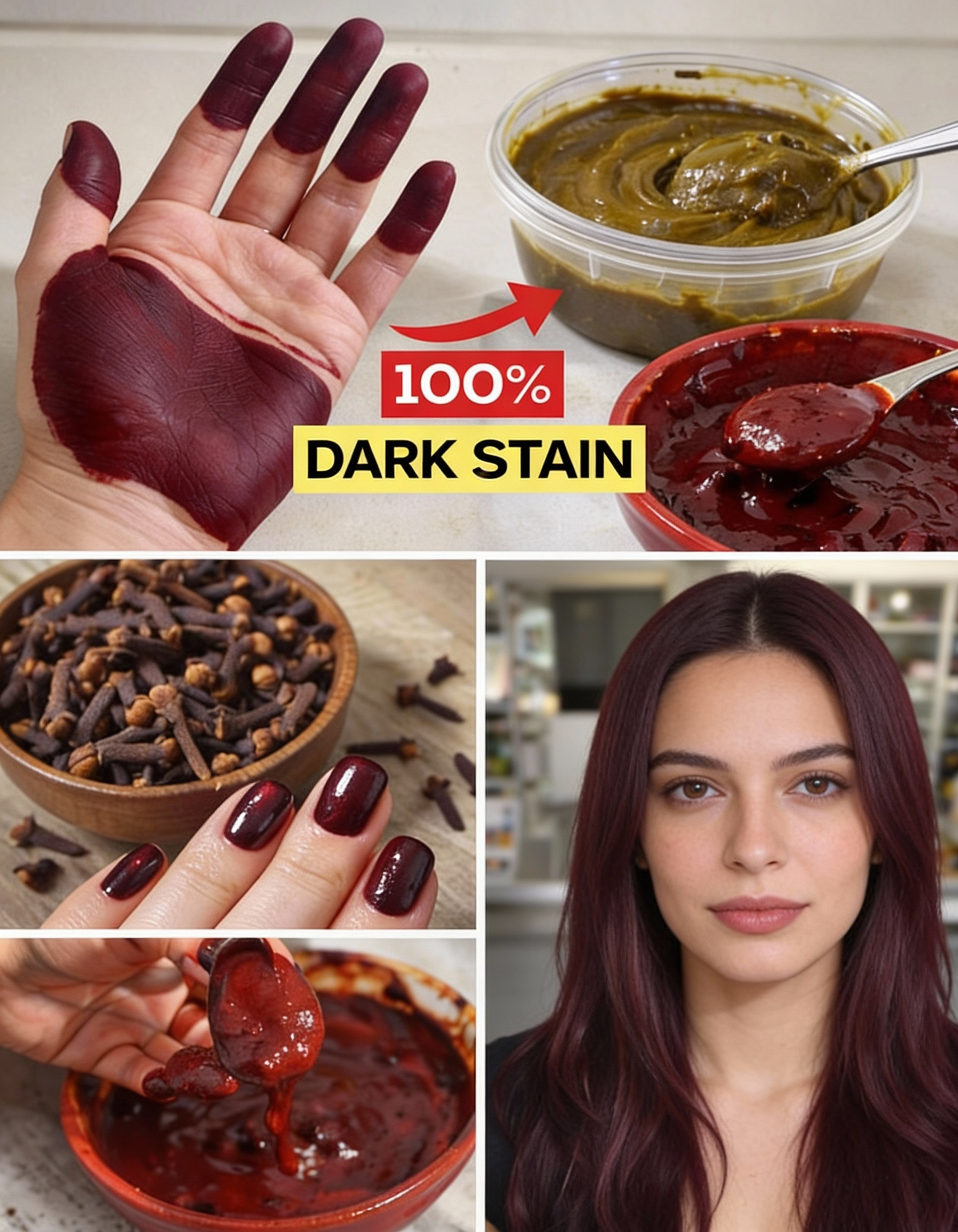
Many people stare at their dull, discolored, or brittle nails and feel self-conscious every time they reach for something or slip off their shoes. Traditional nail polishes promise vibrant color and shine, but they often come loaded with chemicals like formaldehyde, toluene, and phthalates that can irritate skin, weaken nails over time, or leave an unpleasant odor. This leaves countless adults searching for gentler options that enhance appearance without the risks—especially those embracing clean beauty or dealing with sensitive skin. Enter clove dye: a simple, kitchen-based alternative derived from the same aromatic spice you use in cooking, offering a subtle earthy tint and potential nurturing perks.
But here’s the intriguing part: this age-old trick from traditional practices might deliver more than just color—stick around to discover how easy it is to try at home and why it’s capturing attention in natural wellness circles.

The Cultural Roots of Clove as a Natural Colorant
Cloves (Syzygium aromaticum) trace back to the Maluku Islands in Indonesia and have traveled ancient trade routes for their intense fragrance, flavor, and versatile uses. In various South Asian, African, and Middle Eastern traditions, clove preparations were applied to skin, hair, and nails not only for scent but also for subtle cosmetic effects—much like henna for hands and feet.
Today, as interest in plant-based beauty surges, clove is being rediscovered as part of the eco-friendly movement. People want options free from synthetic dyes and harsh additives, turning to pantry staples for authentic, low-impact enhancements. This shift highlights a broader trend toward wellness-focused self-care that feels timeless yet modern.

Why Cloves Can Impart Color to Nails
Cloves release natural compounds when steeped or boiled, including tannins (plant-based pigments) and essential oils rich in eugenol. These elements can lightly stain keratin, the tough protein in nails, creating a soft brownish or warm tone.
Unlike conventional polishes that sit on the surface for a glossy finish, clove dye absorbs more subtly for a natural, matte-like effect. Research on plant tannins shows they bind to proteins, which may explain the staining potential here—though results stay gentle and temporary.
Here’s a quick look at key compounds in cloves:
- Tannins: Provide natural pigmentation for subtle color.
- Eugenol: The main essential oil, known for antioxidant and antimicrobial properties in studies.
- Flavonoids: Support the overall staining and may contribute to staying power.
This combination makes cloves an appealing choice for anyone wanting understated elegance over bold statements.

Step-by-Step: How to Make and Apply Clove Dye at Home
Making clove dye requires minimal effort and uses ingredients most kitchens already have. It’s affordable, customizable, and ready in under 30 minutes.
Ingredients
- 2 tablespoons whole cloves (or ground for potentially stronger color)
- 1 cup water
- Optional: 1 teaspoon lemon juice (to help set the tint) or a pinch of black tea (for deeper shade)
Preparation Steps
- Place the cloves and water in a small pot.
- Bring to a gentle boil, then reduce heat and simmer for 10–15 minutes until the liquid turns a rich amber-brown.
- Remove from heat and let it cool to lukewarm.
- Strain through a fine mesh or cheesecloth into a clean bowl or jar—discard the solids.
Your concentrated dye is now ready. Store in the fridge for up to a week.
Application Methods
- Soak method (best for even coverage): Dip clean nails or toes into the warm solution for 10–15 minutes. Pat dry afterward.
- Direct application: Soak a cotton pad or ball in the dye and gently rub onto each nail. Let air-dry.
- For buildup: Repeat daily or every other day to deepen the hue gradually.
Pro tips to maximize results:
- Apply petroleum jelly or coconut oil around cuticles and skin to avoid temporary staining.
- Ground cloves may yield darker color but require thorough straining to prevent residue.
- Follow with a natural moisturizer like coconut or almond oil to keep nails hydrated and prevent dryness.
Many users report visible tint after 2–3 applications, with the color lasting a few days before fading naturally.

Added Perks: Why Clove Appeals Beyond Just Color
Clove dye stands out because it skips the harsh chemicals found in many commercial polishes. No formaldehyde releasers, no phthalates—just plant-derived goodness.
The warm, spicy aroma lingers pleasantly, unlike the chemical scent of traditional products. Eugenol in cloves has been studied for its antimicrobial qualities, which some people find helpful for maintaining fresher-feeling nails and toes (though this isn’t a treatment for any condition).
It’s incredibly budget-friendly—a small bag of cloves lasts months—and promotes a minimalist, natural vibe. The resulting soft brownish tint feels elegant and understated, perfect for everyday wear.
Real Experiences from Natural Beauty Enthusiasts
Online communities and personal stories highlight growing interest. Users often share how switching to natural options improved their nail confidence without irritation.
For instance, people experimenting with spice-based tints note healthier-looking nails over time, crediting the gentle approach. While these are anecdotal and vary by individual, they reflect a broader curiosity about plant-powered beauty rituals passed down through generations.
Important Safety Notes and Realistic Expectations
Natural doesn’t always mean risk-free. Cloves can cause sensitivity in some people—always do a patch test on inner arm skin 24 hours before nail use.
The tint remains subtle (think warm beige-brown) rather than vibrant or opaque like salon polish. It may temporarily mark surrounding skin, so protect cuticles. Results fade faster than chemical polishes, usually within days, requiring reapplication.
If you notice persistent nail changes like thickening, discoloration from infection, or brittleness, consult a healthcare professional rather than relying solely on home remedies.
Wrapping It Up: A Gentle, Natural Option Worth Exploring
Clove dye bridges ancient traditions with today’s push for cleaner beauty. It delivers a soft, earthy glow while avoiding synthetic chemicals, all from a simple spice. For minimalists, eco-conscious folks, or anyone tired of harsh polishes, it’s an easy, low-commitment experiment.
Give it a try next time you’re craving a fresh self-care ritual—you might discover a new favorite for healthier-looking nails.
FAQs
How long does the clove dye color last on nails?
Typically 3–7 days, depending on nail growth, handwashing, and reapplication frequency. It’s temporary and fades gradually.
Can I combine clove dye with other natural ingredients for better results?
Yes—many add black tea, coffee, or a touch of henna powder during boiling for richer shades. Experiment cautiously to avoid irritation.
Is daily use of clove dye safe for most people?
For most, yes, but start with patch testing and monitor for any redness or itching. If you have allergies to spices or sensitive skin, consult a doctor first.
Does clove dye help with nail health issues?
It may offer gentle tinting and a pleasant aroma, but it’s not intended to treat or cure any medical conditions—always seek professional advice for nail concerns.
Disclaimer: This article is for informational and educational purposes only. It is not a substitute for professional medical advice, diagnosis, or treatment. Consult your healthcare provider before trying any new remedy, especially if you have skin sensitivities, allergies, or existing nail conditions.