 By admin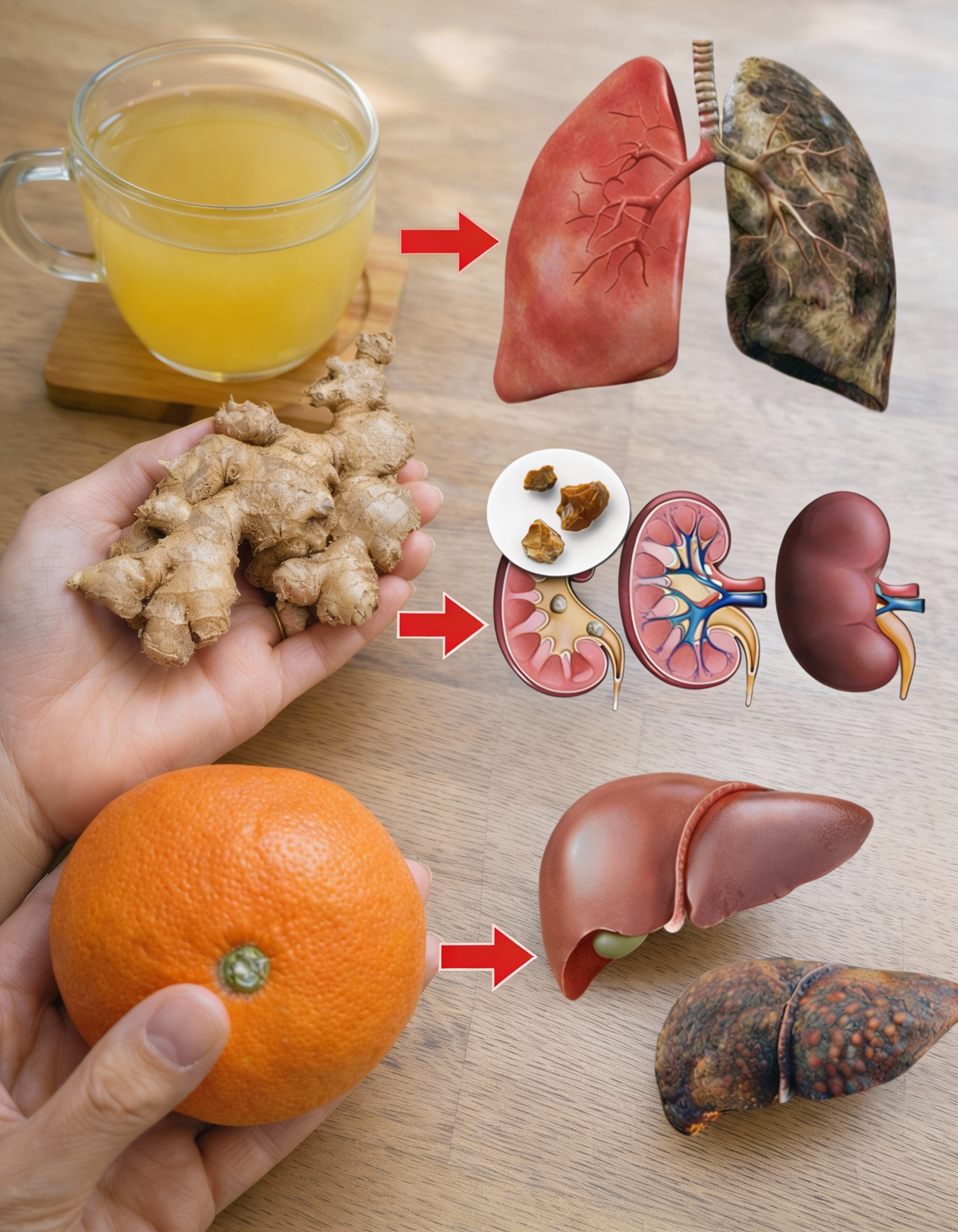
Natural detox methods support the body’s built-in systems for processing and eliminating waste, rather than “cleansing” organs in a dramatic way. Your kidneys, liver, and lungs already handle detoxification efficiently through filtration, metabolism, and respiration. Factors like poor diet, dehydration, pollution, and lifestyle habits can strain these organs, leading to fatigue, sluggishness, digestive issues, or reduced energy. Many people feel weighed down by daily toxins from processed foods, environmental pollutants, and stress, wondering how to give their body gentle, effective support without harsh interventions.
The good news is that simple, evidence-based natural habits can help optimize these organs’ function, boost vitality, and promote clearer breathing, better digestion, and sustained energy. In this guide, you’ll discover practical ways to incorporate these into your routine. And stick around—there’s one underrated daily habit that ties everything together for maximum benefit.

Why Support Kidney Health Naturally?
Your kidneys filter about 200 liters of blood daily, removing waste and maintaining fluid balance. When they’re overburdened, you might notice bloating, low energy, or frequent urinary issues.
Research shows hydration plays a key role in kidney function. Drinking adequate water helps flush waste and may reduce the risk of kidney stones.
Here are some natural ways to support your kidneys:
- Stay hydrated: Aim for 8–10 glasses of water daily. This simple step dilutes toxins and promotes efficient filtration.
- Start your day with lemon water: Squeeze half a lemon into warm water. The citric acid may help prevent calcium buildup, and vitamin C acts as an antioxidant.
- Try parsley tea: Parsley acts as a mild diuretic in traditional use. Studies in animal models suggest it supports urine production and may reduce oxidative stress in kidneys.
- Incorporate unsweetened cranberry juice: It contains compounds that may help maintain urinary tract health and support overall kidney function.
But that’s not all—combining these with a low-sodium diet amplifies their effects.

Top Natural Ways to Support Liver Function
The liver processes nutrients, filters toxins, and produces bile for digestion. Supporting it can lead to better metabolism and energy levels.
Studies indicate certain foods and compounds aid liver enzyme activity and reduce inflammation.
Key supportive ingredients include:
- Turmeric: Its active compound, curcumin, has antioxidant properties that may help protect liver cells and support healthy inflammation response.
- Milk thistle: Contains silymarin, which research suggests can help maintain liver cell integrity and promote normal regeneration in some cases.
- Beets: Rich in betaine and antioxidants, they support bile flow and help neutralize free radicals.
- Garlic: Sulfur compounds activate detox enzymes, contributing to overall liver health.
Here’s a quick comparison of these liver-supportive foods:
- Turmeric: Anti-inflammatory, easy to add to meals or golden milk.
- Milk thistle: Often used as tea or supplement for targeted support.
- Beets: High in fiber, great roasted or juiced.
- Garlic: Versatile in cooking, boosts flavor while providing benefits.
Incorporating these regularly can make a noticeable difference over time.

Simple Steps to Support Lung Health
Lungs filter air, exchange oxygen, and expel carbon dioxide. Pollution, allergens, and irritants can cause buildup of mucus and inflammation.
Natural approaches focus on clearing airways and reducing irritation.
Try these evidence-based methods:
- Steam inhalation: Inhale steam from hot water (add eucalyptus or peppermint for extra soothing). It helps loosen mucus and open airways, making breathing easier during congestion.
- Ginger tea: Ginger’s anti-inflammatory compounds may ease respiratory discomfort and support clearer breathing.
- Peppermint: Menthol relaxes respiratory muscles, improving airflow—enjoy as tea or in steam.
- Deep breathing exercises: Practice diaphragmatic breathing daily: Inhale deeply through your nose for 4 counts, hold for 4, exhale for 6. This expands lung capacity and clears stale air.
The beauty is these are free and quick—do steam sessions 10–15 minutes a few times a week.

Full-Body Habits to Enhance Natural Detox Processes
To amplify benefits for kidneys, liver, and lungs, focus on lifestyle foundations.
Adopt these actionable tips:
- Eat whole, clean foods — Prioritize leafy greens, berries, cruciferous veggies, and lean proteins. Avoid excess processed items and sugar, which burden detox pathways.
- Exercise regularly — Aim for 30 minutes most days. Sweating and improved circulation help organs function optimally.
- Prioritize sleep — Get 7–9 hours nightly. Deep sleep allows the body to repair and process waste efficiently.
- Limit alcohol and avoid smoking — These directly impact liver and lung health, slowing natural processes.
Here’s a simple daily routine to get started:
- Morning: Lemon water + deep breathing (5 minutes).
- Midday: Hydrate + add turmeric or garlic to lunch.
- Evening: Ginger or parsley tea + steam inhalation if needed.
- Throughout: Walk or stretch to promote circulation.
Final Thoughts: Embrace Natural Support for Lasting Wellness
By gently supporting your kidneys, liver, and lungs with hydration, nutrient-rich foods, and mindful habits, you can experience steadier energy, clearer skin, better digestion, and easier breathing. These aren’t quick fixes but sustainable ways to help your body thrive naturally.
One often-overlooked habit? Consistent hydration combined with antioxidant-rich foods—it creates a synergy that enhances all three organs’ efficiency.
FAQ
How long does it take to notice benefits from natural detox support?
Many people feel more energized within 1–2 weeks of consistent habits like better hydration and whole foods, though full effects build over months.
Are these natural methods safe for everyone?
Most are gentle, but consult a healthcare provider if you have conditions like kidney issues or take medications, as some herbs may interact.
Can natural support replace medical treatment?
No—these habits complement a healthy lifestyle but don’t treat diseases. Always follow professional medical advice.
Disclaimer: This article is for informational purposes only and not intended as medical advice. These natural approaches support general wellness but are not a substitute for professional healthcare. Consult your doctor before making changes, especially if you have health conditions or take medications. Individual results vary.