 By admin
 Child’s Pose (Balasana): Your Ultimate Guide to Unwinding and Finding Inner Calm
In our modern, high-speed lives, the burden of persistent stress often manifests physically and mentally. We frequently experience tension in our shoulders from prolonged desk work, struggle with an incessant stream of thoughts that impede relaxation, and feel perpetually “on call.” This constant strain can lead to exhaustion, physical tightness, and a clouded mind, sometimes even after adequate rest. Fortunately, gentle yet powerful practices such as yoga provide accessible methods to help your body naturally de-stress and regain equilibrium. Among these, one particular yoga posture shines for its profound calming effects and simplicity: Child’s Pose. What exactly makes this single pose so remarkably effective for cultivating deep relaxation and mental clarity? Continue reading to delve into the evidence-based benefits and discover practical tips for integrating this restorative posture into your daily routine. You might be amazed at how swiftly it transforms into your preferred method for a quick mental and physical reset.
Understanding Child’s Pose (Balasana): A Restorative Yoga Foundation
Child’s Pose, or Balasana as it’s called in Sanskrit, is a fundamental restorative yoga posture designed to emulate the natural fetal position. While frequently employed as a gentle interlude or resting posture during yoga sessions, its advantages reach far beyond the studio floor. To practice this pose, you kneel on the ground, settle your hips back towards your heels, and gently fold your upper body forward over your thighs. Your arms can either extend forward or rest comfortably alongside your body. Crucially, your forehead softly touches the mat (or a supportive cushion), fostering a profound sense of introspection and release. Numerous studies and health professionals emphasize how these forward-bending postures facilitate deeper respiration and guide the body into a profoundly calm state. Reputable health institutions, including the Cleveland Clinic, affirm that Child’s Pose specifically engages the parasympathetic nervous system—our body’s innate “rest and digest” mechanism—thereby effectively mitigating the physiological impacts of daily stressors.
The Science Behind Child’s Pose: Fostering Neurological Harmony and Calm
Research into yoga practices consistently reveals significant links to enhanced mood and diminished sensations of tension. A notable randomized controlled study, for instance, featured in the Journal of Alternative and Complementary Medicine (Streeter et al., 2010), demonstrated that participants in a 12-week yoga regimen experienced more substantial improvements in mood and anxiety levels compared to a walking group. This was accompanied by an increase in brain GABA levels, a crucial neurotransmitter associated with promoting tranquility. Although this particular study focused on the comprehensive benefits of yoga rather than an individual posture, restorative poses such as Child’s Pose are widely advocated for their profound calming attributes. These gentle forward folds likely contribute by encouraging deliberate, deeper breathing and alleviating physical constriction often held in the back, hips, and shoulders—common areas where stress accumulates due to sedentary lifestyles. Furthermore, specialists highlight that the act of resting the forehead down can induce a profoundly soothing feeling, potentially impacting heart rate and fostering overall relaxation through intrinsic physiological responses. Consequently, Child’s Pose offers an effortless yet effective pathway for the body to decompress. And there’s more to discover: the synergy of physical liberation combined with conscious breathing provides a straightforward, potent opportunity to pause and reset within your daily schedule.
Experience Holistic Well-being: Physical and Mental Benefits of Child’s Pose
Regularly integrating Child’s Pose into your routine can yield significant advantages for both your physical and mental state:
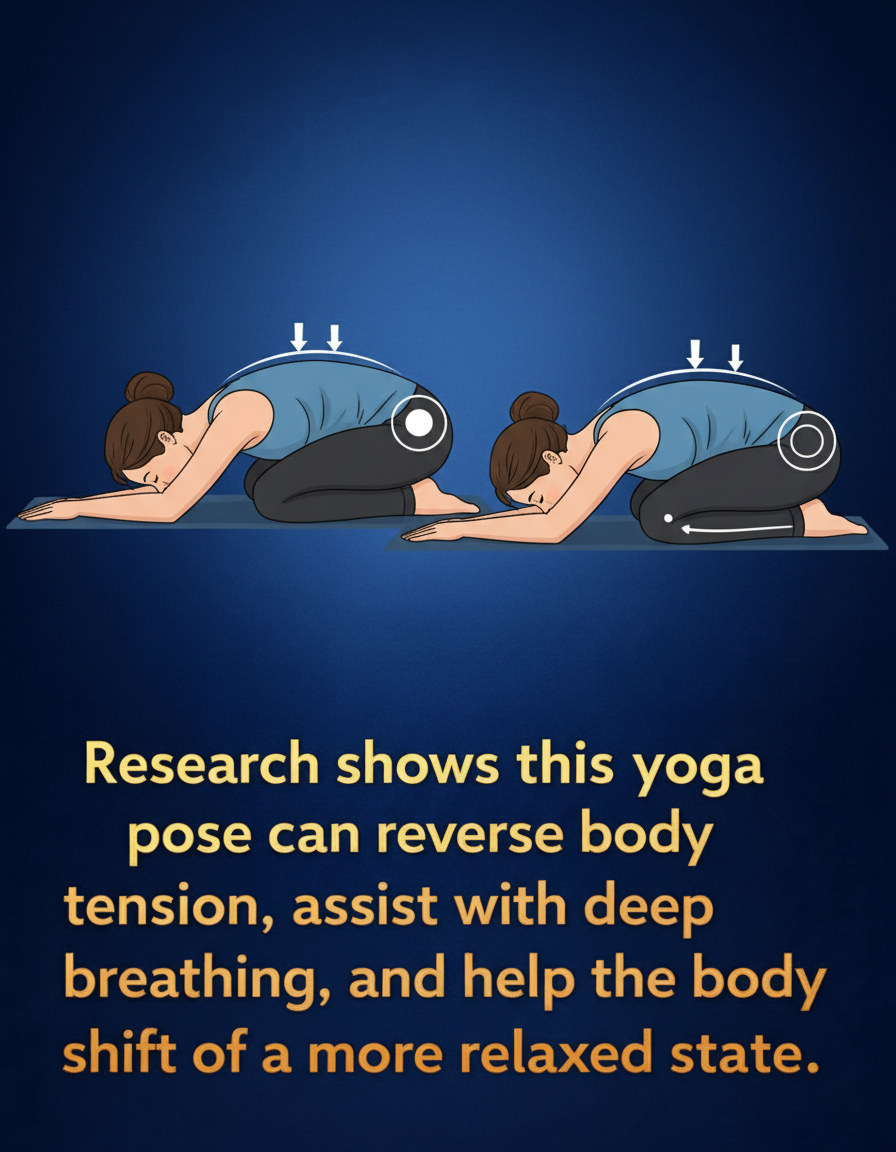
- Alleviates Accumulated Tension : This gentle elongation through the spine, hips, and shoulders effectively dissipates stiffness often caused by extended periods of sitting or excessive screen usage.
- Cultivates Deeper Respiration : The forward fold inherently guides your breath towards the posterior torso, promoting more expansive, tranquil inhalations and exhalations.
- Instills Profound Serenity : A multitude of individuals who practice this pose consistently describe feeling more grounded and less anxious, even following a brief duration.
- Facilitates Restful Sleep : Incorporating Child’s Pose into your nightly ritual can signal to your body that it’s time to decelerate, thereby preparing you for more restorative sleep.
- Enhances Mental Clarity : The introspective nature of the pose quiets internal distractions, allowing you to approach subsequent tasks with heightened concentration and sharper focus.
These positive outcomes are consistent with extensive research on yoga’s comprehensive role in effective stress management. Esteemed institutions such as Johns Hopkins Medicine and the National Center for Complementary and Integrative Health (NCCIH) frequently underscore yoga’s capacity to bolster overall well-being, encompassing improved emotional equilibrium and enhanced sleep quality.
Mastering Child’s Pose: A Safe and Simple Step-by-Step Guide
Eager to experience these benefits firsthand? Follow this beginner-friendly, step-by-step guide to practicing Child’s Pose:
- Begin on all Fours : Position yourself on your hands and knees on a supportive surface, such as a yoga mat or a soft rug.
- Widen Your Knees : Bring your big toes together to touch. Gently spread your knees apart, aiming for at least hip-width distance, or even wider if it provides more comfort for your hips.
- Sink Back onto Heels : As you gently exhale, slowly guide your hips backward until they rest comfortably on or near your heels.
- Fold Forward : Allow your torso to fold forward, resting between your thighs. Let your forehead gently come down to rest on the mat or a cushion.
- Arm Placement : You have a few options for your arms: extend them forward with palms down, or bring them alongside your body with palms facing up, allowing your shoulders to relax completely.
- Breathe and Release : Once in the pose, focus on deep, slow breaths. Feel your body release tension with each exhale. Hold for as long as feels comfortable and restorative.
Embrace the Calm
Child’s Pose is more than just a yoga posture; it’s a powerful tool for self-care, offering an accessible sanctuary in our often hectic lives. By consciously taking a few moments to surrender into Balasana, you activate your body’s innate ability to de-stress, find mental clarity, and restore a sense of inner peace. Whether you’re feeling overwhelmed, need a quick break from your screen, or simply want to prepare for a good night’s sleep, Child’s Pose is a gentle yet profound practice that invites you to slow down, breathe deeply, and reconnect with your most centered self. Embrace this simple pose and unlock a deeper sense of calm and well-being in your daily routine.