 By admin
 Imagine your child waking up with a limp, tears welling up because a painful, rough patch on their foot makes every step agonizing—and a big event, like a dance recital or sports competition, is just around the corner. That feeling of helplessness can be overwhelming when a seemingly small issue threatens to derail something so important. Many parents navigate this exact scenario with their active children, especially those involved in activities like dance, gymnastics, or sports that put constant pressure on their feet. The encouraging news is that understanding the potential cause and implementing gentle, immediate steps can significantly alleviate discomfort while you determine the best course of action. Crucially, a few smart at-home adjustments can make a remarkable difference in how your child feels today, vastly improving their chances of participating comfortably tomorrow. Read on to discover practical ways to soothe the affected area and support their feet when time is of the essence.
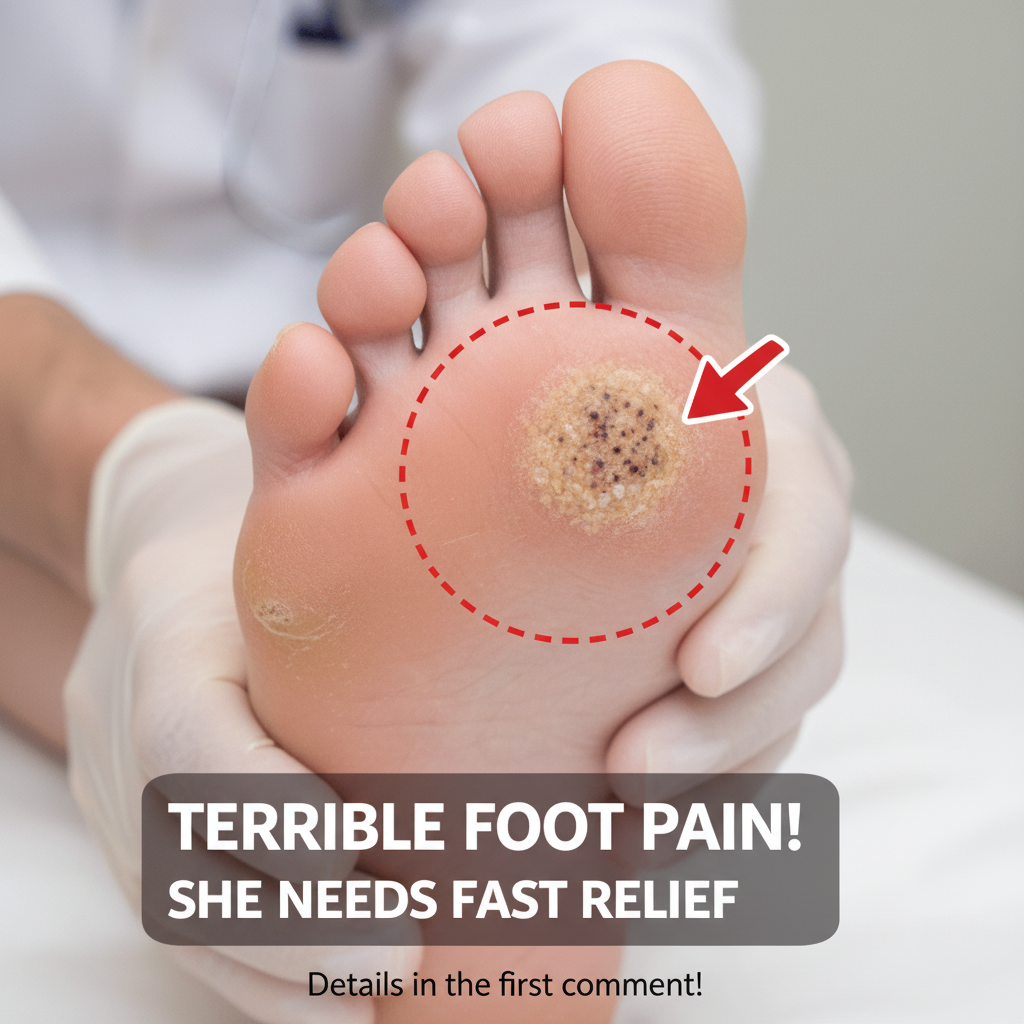
What Could This Hard, Rough Spot with Black Dots Actually Be?
This specific description—a hardened, thickened area featuring tiny black specks—is a common indicator for foot health specialists. It frequently points to a plantar wart, a benign growth caused by a strain of the human papillomavirus (HPV). These viruses thrive in warm, moist environments often found in communal spaces such as locker rooms, swimming pools, or dance studios. Unlike typical calluses that develop from friction, plantar warts grow inward due to the constant pressure on the soles of the feet, forming that characteristic rough, callus-like surface. The tiny black dots, often mistaken for “seeds,” are actually small clotted blood vessels (capillaries) within the wart itself, a classic diagnostic sign. Esteemed organizations like the American Podiatric Medical Association highlight that these spots are a hallmark, and the pain often intensifies with weight-bearing activities like running or dancing. Children are particularly susceptible because their immune systems are still developing full resistance, and frequent barefoot exposure in shared areas increases their risk. If the spot is painful when squeezed from the sides (often referred to as the “pinch test”), it further suggests a plantar wart rather than just thickened skin. Rest assured, this condition is extremely common among children and teenagers, and many warts will eventually resolve as the body’s natural defenses mature. For now, the priority is to reduce pressure and irritation to help your child move with less pain.
Why Foot Pain Feels So Intense—And Why Tomorrow’s Event Seems Impossible Right Now
The constant pressure from standing, walking, or dancing directly impacts this sensitive area, transforming a minor irritation into sharp, persistent discomfort. For a young dancer or athlete, every jump, pivot, or landing can amplify the pain, leading to visible limping and distress. The good news is that targeted interventions can quickly alleviate this pressure. Research consistently shows that strategic cushioning and protection of the affected area can significantly enhance short-term comfort, even before any long-term treatment plans are initiated.
Immediate Steps to Help Ease the Pain Today
You don’t necessarily need specialized equipment; many effective solutions are readily available at home or your local pharmacy. Here’s what parents often try first for rapid relief:
- Gently Soak the Foot: Fill a basin with warm (not hot) water and let your child soak their foot for 10-15 minutes. This helps to soften the tough skin, making subsequent steps easier and providing immediate soothing comfort.
- Cushion and Protect the Area: Apply a soft moleskin pad or felt, cut into a donut shape (with a hole in the middle) around the painful spot. This method effectively redirects pressure away from the sensitive area. Over-the-counter corn pads can offer similar quick padding solutions.
- Over-the-Counter Pain Relief: Administer age-appropriate doses of acetaminophen or ibuprofen to help reduce discomfort, provided your child is old enough. Always consult the product label or ask a pharmacist for guidance on dosage.
- Choose Comfortable Footwear: Encourage your child to wear well-cushioned shoes or athletic sneakers with excellent arch support. Today, it’s best to avoid tight dance shoes or restrictive footwear. If possible, add gel inserts to their shoes to help absorb shock and provide extra padding.
These immediate measures are not definitive cures, but they can significantly improve mobility and make walking and light movement far more bearable right away.
Gentle At-Home Approaches Many Families Use for Plantar Warts
While no single method guarantees overnight success for everyone, these time-tested approaches can support comfort and encourage gradual improvement. Always perform a patch-test first, and discontinue use if any irritation occurs.
- Salicylic Acid Products: Available over-the-counter as pads, gels, or liquids, salicylic acid works by gradually exfoliating the wart tissue. First, soak the foot. Then, gently file the surface of the wart with a pumice stone or emery board (ensure you dispose of these tools after use to prevent spreading the virus). Apply the salicylic acid product as directed, typically once daily, and cover with a bandage. Many parents report noticeable softening after a few consistent days of use, aligning with guidelines from reputable sources like the Mayo Clinic.
- The Duct Tape Method: A simple, low-risk option involves covering the affected area with silver duct tape for several days. After this period, remove the tape, soak the foot, and gently abrade the softened skin. Repeat the process. While scientific evidence varies, many families find this method helpful for encouraging wart resolution.
For persistent or worsening symptoms, or if you are unsure about the diagnosis, it is always recommended to consult a healthcare professional or a podiatrist for accurate assessment and personalized treatment advice.