 By admin
 Cervical Disc Herniation: 7 Critical Warning Signs You Can’t Afford to Ignore
In our modern world, neck pain has become an unwelcome companion for many, often dismissed as a side effect of long hours spent hunched over screens. But what happens when that persistent ache transcends simple discomfort, radiating into your shoulders and arms, turning everyday tasks into daunting challenges? This could be more than just stress; it might be a signal from your spine that demands attention: cervical disc herniation.
Cervical disc herniation occurs when the protective, gel-filled discs cushioning the vertebrae in your neck bulge or rupture, potentially compressing nearby nerves. Recognizing the early warning signs is crucial for proactive spine health. And here’s a secret many overlook: a simple daily habit, which we’ll reveal later, could significantly impact your neck comfort.
Understanding Cervical Disc Herniation
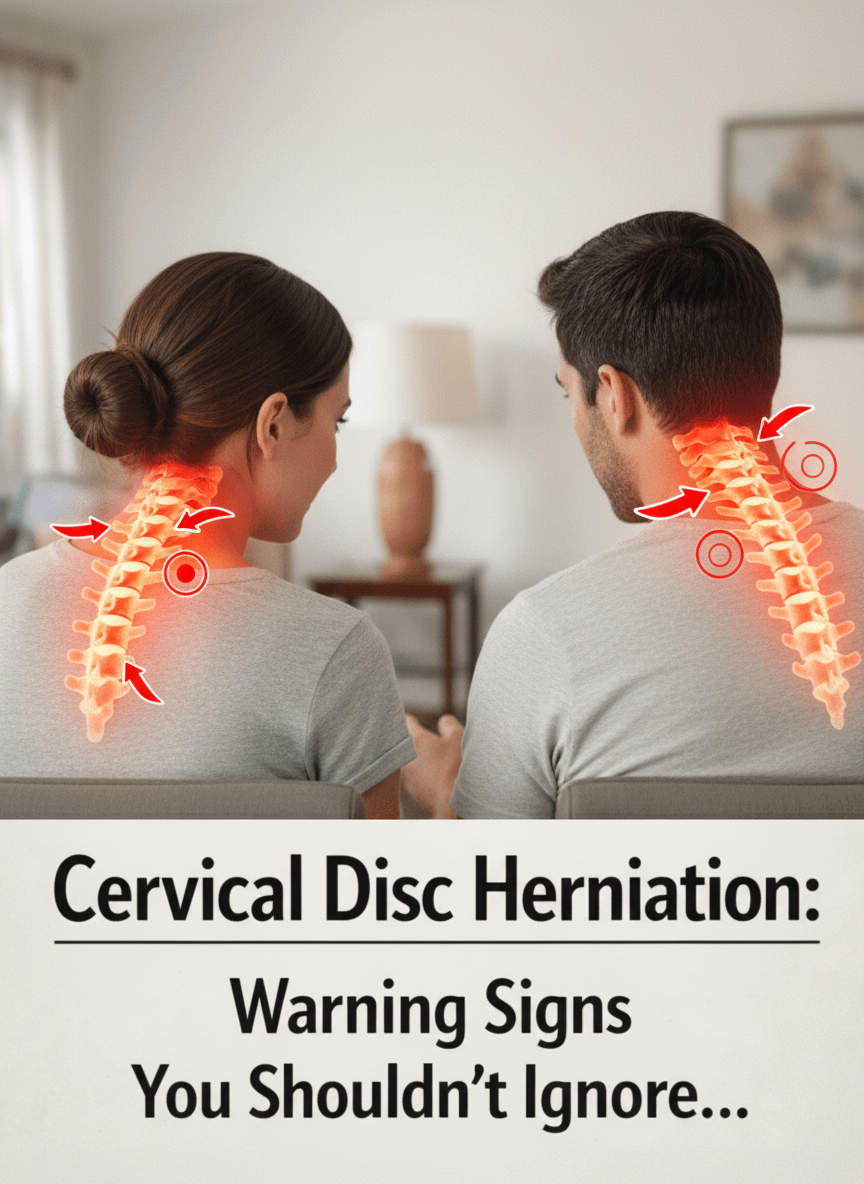
Your cervical spine, comprised of seven vertebrae in your neck, is a marvel of engineering, supporting your head and enabling a wide range of motion. Between these bones lie intervertebral discs – natural shock absorbers filled with a gel-like substance. When one of these discs weakens, shifts, or its inner material protrudes, it can press on surrounding nerves and structures. This condition is known as cervical disc herniation.
While often associated with aging due to gradual disc dehydration and loss of flexibility, everyday habits play a significant role. The good news is, you have more control than you think. Learning to identify the early indicators empowers you to take charge of your neck health.
7 Key Warning Signs of Cervical Disc Herniation
Early detection allows for timely intervention. Pay close attention to these seven crucial signs:
-
Persistent Neck Pain That Lingers
Ongoing discomfort in your neck that doesn’t subside with rest or minor adjustments is a primary red flag. This pain often intensifies with head movements, tilting, or specific postures.
-
Pain Radiating to Shoulders, Arms, or Hands
A sharp, burning, or electric-shock-like sensation that travels down one arm – often referred to as radiculopathy – strongly suggests nerve involvement. Many initially mistake this for simple muscle tightness.
-
Tingling or Numbness in Arms and Fingers
Experiencing a pins-and-needles sensation or areas of reduced feeling in your arms and fingers can become more frequent. This occurs when a compressed nerve pathway struggles to transmit signals.
-
Muscle Weakness in the Upper Body
You might notice a diminished grip strength, making it difficult to hold objects, or find yourself dropping things more often. Routine tasks like typing or holding a phone can feel surprisingly challenging.
-
Stiffness and Limited Neck Movement
Difficulty fully rotating your head or comfortably looking up and down is a clear indicator. Many report morning stiffness that takes an unusually long time to ease.
-
Headaches Starting in the Neck Area
Tension headaches that originate at the base of your neck and spread towards your temples or forehead can be linked to disc-related strain and surrounding muscle tension.
-
Balance or Coordination Concerns (Advanced Cases)
In rare but more severe situations, noticeable changes in walking stability or overall coordination may emerge. These symptoms warrant immediate professional evaluation.
It’s important to note: having one or two of these signs doesn’t automatically mean a herniated disc. However, if they persist, intensify, or multiple symptoms appear, seeking medical advice is paramount.
Common Factors Contributing to Cervical Disc Issues
Several everyday elements can influence the health of your cervical discs:
- Natural Aging Process: Discs naturally lose hydration and elasticity over time.
- Poor Posture: Extended periods of ‘tech neck’ from screen use and forward head tilt strain the cervical spine.
- Repetitive Movements: Certain occupations or activities involving frequent neck movements can contribute.
- Sedentary Lifestyle: Lack of movement can weaken supporting neck and back muscles.
- Past Injuries: Previous trauma or sudden strains to the neck can predispose discs to herniation.
- Lifestyle Choices: Habits like smoking can impair blood flow to spinal tissues, hindering disc health.
While factors like age are beyond our control, many lifestyle elements remain within your influence, offering powerful ways to support long-term spine comfort.
The Overlooked Daily Habit for Neck Comfort
Remember that small daily habit we mentioned? It’s remarkably simple yet profoundly effective: incorporate regular micro-breaks and gentle neck stretches throughout your day. Instead of enduring hours of static posture, take 1-2 minutes every hour to stand up, roll your shoulders, gently tilt your head side to side, and look up and down. This simple routine improves circulation, reduces muscle fatigue, and alleviates pressure on your discs, making a significant difference in preventing and managing neck discomfort.
Prioritizing your spine health means listening to your body’s signals. Don’t let persistent neck pain dictate your life; recognizing these warning signs and adopting proactive habits can pave the way for a healthier, more comfortable future.