 By admin
 Non-alcoholic fatty liver disease (NAFLD) is a growing health concern, impacting a significant portion of adults globally. In the United States alone, recent figures suggest 38-42% of individuals carry excess liver fat, often without distinct initial symptoms. Many people over 40 may experience subtle, persistent indicators such as chronic fatigue, post-meal bloating, or a general feeling of sluggishness, even with conscious dietary choices. These issues often accumulate over years, influenced by processed foods, daily stress, and environmental exposures that subtly burden the liver.
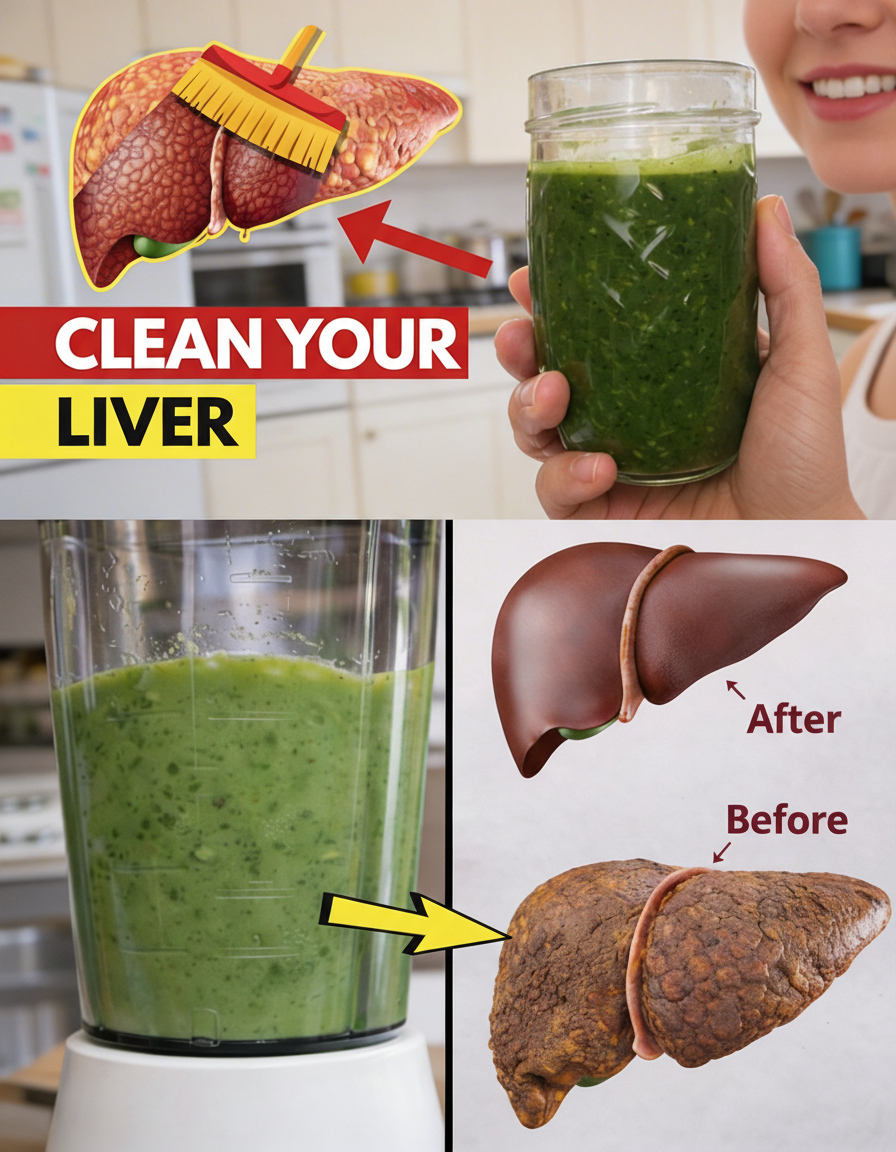
If you’re feeling less vibrant and energetic than you’d like, know that you’re not alone. Liver health challenges are far more prevalent than commonly realized. However, there’s an encouraging perspective: integrating simple, nutrient-dense habits using accessible ingredients like celery, lemon, and honey can provide gentle, consistent support for your body’s innate healing and maintenance processes. While popular claims might promise a complete liver ‘detox’ in just a few days, scientific evidence points towards a more realistic and sustainable path: consistent nutrient delivery that helps combat oxidative stress and promotes overall well-being.
Join us as we delve into the genuine science behind this powerful trio, explore practical ways to incorporate them into your routine, and understand why small, steady steps consistently yield better, more lasting results than dramatic, short-term trends.
The Silent Burden: Why Liver Health Matters, Especially After 40
As we advance beyond our 40s, our metabolism undergoes changes, further compounded by dietary choices, occasional alcohol consumption, stress, and environmental toxins. Fatty liver conditions have emerged as one of the most common hepatic issues, frequently progressing unnoticed until routine blood tests reveal elevated liver enzymes or symptoms like persistent tiredness become apparent. This can profoundly affect energy levels, digestive efficiency, blood sugar regulation, and even mood stability.
Many individuals, seeking relief, often turn to aggressive strategies such as rigorous juice fasts or a myriad of supplements, only to find themselves feeling hungry, deprived, or observing minimal long-term improvements. The crucial distinction lies in understanding that the liver thrives on steady hydration, a rich supply of antioxidants, and ample fiber, rather than extreme restriction. A gentle, food-based regimen utilizing readily available ingredients can offer meaningful support without the potential rebound effects often associated with drastic measures.
Unpacking the Science: How Celery, Lemon, and Honey Offer Support
Each component of this natural trio brings unique, evidence-backed benefits:
-
Celery: A Source of Potent Plant Compounds
Celery is rich in flavonoids such as apigenin and luteolin, which have demonstrated significant antioxidant and anti-inflammatory potential in various studies. It also provides essential electrolytes like potassium and magnesium, alongside valuable dietary fiber. Research, including studies on animal models, indicates that these compounds may offer hepatoprotective effects by helping to reduce oxidative stress within the liver cells.
-
Lemon: Vitamin C and Digestive Aid
Lemon is renowned for its high vitamin C content, a vital nutrient for supporting the production of glutathione—the body’s master antioxidant crucial for many detoxification pathways. Furthermore, its citric acid content may stimulate bile production, which is essential for healthy digestion and nutrient absorption. Studies exploring citrus compounds suggest their potential to help balance liver enzymes and combat inflammation.
-
Honey: Nature’s Antioxidant Sweetener
Honey contributes a complex array of polyphenols and enzymes that significantly boost antioxidant activity. Various research on different honey types suggests its potential to protect against liver stress in models involving alcohol-related or fatty liver changes. This protective effect is largely attributed to honey’s ability to modulate inflammation and mitigate oxidative damage at a cellular level.
Collectively, these ingredients deliver vital hydration, crucial electrolytes, and a spectrum of plant compounds that can help address low-grade stress on the liver. While no single mixture can ‘detoxify’ the organ overnight—your liver is perfectly equipped to handle detoxification naturally—their combined nutrients align with scientific evidence supporting Phase I and Phase II detoxification pathways through their antioxidant and anti-inflammatory properties. While animal and component studies show promising results, human evidence is still emerging, focusing primarily on overall wellness benefits rather than definitive cures.
Quick reflection: On a scale of 1-10, how frequently do you experience bloating or a heavy sensation after meals? If this number is higher than you’d prefer, incorporating these nutrient-rich ingredients consistently might make a subtle yet noticeable difference over time.
Beyond the Hype: Realistic Expectations and Real-World Benefits
Many individuals who consistently incorporate this celery, lemon, and honey mix into their daily routine share anecdotal accounts of feeling lighter, experiencing improved digestion, and having more sustained energy throughout the day. For instance, a woman in her 50s reported enhanced digestive comfort and more stable energy levels in the afternoons after just a couple of weeks. Similarly, a man with mildly elevated liver enzymes noted reduced bloating and better stamina after a month of consistent use. These personal experiences align with patterns observed in research: gradual, incremental benefits stemming from ongoing nutrient support, rather than instant, miraculous transformations.
15 Ways This Trio May Nurture Your Liver Health
Drawing from studies on their individual components, here are evidence-informed mechanisms through which celery, lemon, and honey may support liver wellness:
- Delivers Potent Antioxidants: Provides compounds like apigenin, luteolin, and vitamin C to actively combat oxidative stress, protecting liver cells.
- Supports Glutathione Production: Vitamin C from lemon is crucial for synthesizing glutathione, the body’s primary antioxidant involved in detoxification.
- Promotes Healthy Bile Flow: Citric acid in lemon may stimulate bile production, essential for fat digestion and waste elimination.
- Reduces Inflammatory Markers: Flavonoids from celery and polyphenols from honey possess properties that help mitigate systemic inflammation.
- Ensures Optimal Hydration: Celery’s high water content contributes significantly to overall hydration, vital for all bodily functions, including liver processes.
- Replenishes Electrolytes: Potassium and magnesium from celery help maintain electrolyte balance, crucial for cellular function and energy.
- Provides Prebiotic Fiber: Fiber supports a healthy gut microbiome, which is intrinsically linked to liver health (the gut-liver axis).
- Modulates Oxidative Damage: The combined antioxidant power helps neutralize free radicals, reducing damage to liver tissues.
- Supports Natural Detox Pathways: Indirectly aids Phase I and Phase II liver detoxification by providing necessary cofactors and antioxidants.
- Aids Digestion and Nutrient Absorption: Improved bile flow and fiber content can enhance digestive efficiency and nutrient uptake.
- Helps Balance Liver Enzymes: Certain citrus compounds have been shown to help maintain healthy levels of liver enzymes.
- Promotes Cellular Regeneration: By reducing oxidative stress, these ingredients create a more favorable environment for healthy liver cell function.
- Contributes to Metabolic Well-being: Supports overall metabolic health, which is critical for preventing and managing fatty liver conditions.
- Enhances Energy and Vitality: By supporting liver function and reducing systemic burden, individuals often report increased energy levels.
- Offers Gentle, Sustained Support: Provides a consistent supply of beneficial nutrients that work synergistically for long-term liver maintenance, not a harsh ‘cleanse’.