 By admin
 Living with persistent aches, stiffness, or swelling can significantly diminish your daily comfort and energy. Whether it’s post-activity knee soreness, back tension from prolonged desk work, or monthly abdominal discomfort, many individuals seek gentle, natural, and affordable ways to alleviate these issues without relying on harsh chemical products. Among various traditional plant-based practices, castor leaves offer a surprisingly effective solution.
This comprehensive guide will explore how castor leaves have been historically employed for their comforting properties, detail practical home application methods, and highlight a crucial aspect often overlooked by newcomers to this traditional remedy.
What Are Castor Leaves?
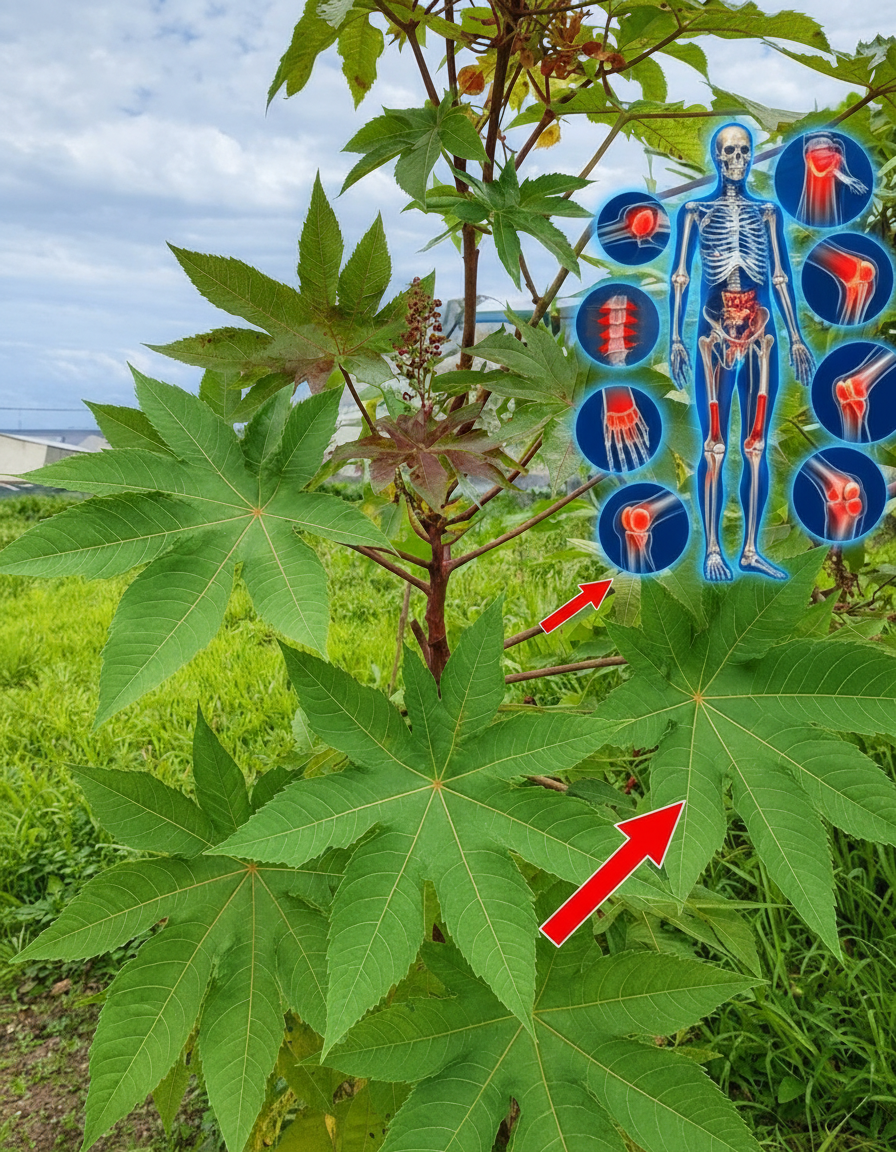
Castor leaves originate from the fast-growing castor plant, scientifically identified as Ricinus communis. This distinctive plant is easily recognized by its large, palmate (star-shaped) green leaves and characteristic spiky seed pods. While castor oil, extracted from the seeds, is widely recognized globally, the leaves themselves possess a rich history of external application within traditional wellness systems across regions like Africa, India, and the Caribbean.
It’s vital to clarify from the outset: castor leaves are strictly for external use and are not intended for consumption. Their primary traditional role involves topical application, frequently enhanced with warmth and a carrier oil, to provide soothing comfort to muscles, joints, and other soft tissues. The enduring popularity of these leaves across generations points to a deeper understanding of their supportive qualities.
Why Castor Leaves Are Traditionally Used for Pain and Swelling
Traditional healing philosophies often prioritize botanical remedies that offer gentle, supportive action rather than aggressive intervention. Castor leaves are believed to function in this nurturing manner when applied to the skin. Based on centuries of traditional use and general botanical observations, castor leaves are thought to contribute to relief by:
- Stimulating local circulation when combined with gentle warmth.
- Supporting the body’s innate inflammatory response for natural healing.
- Promoting relaxation in tight or strained muscles.
- Helping alleviate feelings of heaviness or tension in affected tissues.
While extensive scientific studies directly on castor leaves are somewhat limited, research on castor oil indicates the presence of compounds with notable anti-inflammatory properties. The continued external use of the leaves is largely sustained by a wealth of deeply rooted cultural experience and anecdotal evidence. It’s important to understand that castor leaf applications are not about immediate, dramatic results; instead, they emphasize consistent, gentle care, making them a favored option for managing everyday discomforts.
Common Discomforts People Use Castor Leaves For
Traditionally, individuals turn to castor leaf applications for addressing mild, non-urgent discomforts. These frequently include:
- Joint stiffness, particularly in areas like the knees, wrists, or shoulders.
- Lower back tension often experienced after periods of physical exertion or prolonged sitting.
- Muscle soreness resulting from activities such as extended standing or walking.
- Menstrual-related abdominal discomfort, offering a natural soothing option.
- Swollen or fatigued feet, providing a sense of revitalization.
Rather than merely masking symptoms, these traditional methods aim to foster warmth, relaxation, and a gradual sense of relief over time. Let’s now transition from understanding the background to practical application.
How to Use Castor Leaves at Home: Simple Traditional Methods
Warm Castor Leaf Compress for Joints and Muscles
This method is one of the most widely practiced and serves as an excellent introduction for those new to using castor leaves.
How to prepare:
- Select 1–2 fresh, healthy castor leaves, ensuring they are free from damage.
- Rinse them thoroughly under clean running water and gently pat dry with a cloth.
- Warm the leaves gently using steam or by placing them briefly near a source of warmth (avoid direct, intense heat which can scorch them).
How to apply:
- Lightly massage the target area with a nourishing, neutral oil, such as olive oil or coconut oil, to prepare the skin.
- Position the warm leaf directly onto the affected area, ensuring the smooth side rests against your skin.
- Cover the leaf with a clean cotton cloth, then place a warm towel or a hot water bottle on top to maintain warmth.
- Relax and allow the compress to work for 30–45 minutes.
Many individuals find this technique particularly beneficial after demanding workdays or intense physical activity. It’s worth noting that consistent, regular application often yields more significant benefits than sporadic, high-intensity use.
Nighttime Castor Leaf Wrap for Ongoing Discomfort
For persistent stiffness that tends to recur, nighttime wraps are a popular traditional choice, allowing for extended contact.
Steps:
- Gently apply a small amount of warm castor oil directly to the area experiencing discomfort.
- Carefully place one or two fresh castor leaves over the oiled spot.
- Secure the leaves gently in place with a soft bandage or a clean cloth, ensuring it is never wrapped too tightly to avoid restricting circulation.
- Leave the wrap on for several hours, or comfortably overnight, allowing the leaves to work while you rest.
- In the morning, carefully remove the wrap and gently cleanse the skin.
This method is frequently chosen for areas like the knees, ankles, or wrists that often feel stiff upon waking. Beyond joint support, castor leaves are also utilized for other specific applications.
Castor Leaf Pack for Abdominal Comfort
Traditionally, castor leaves are applied externally to the lower abdomen to promote relaxation and soothe discomfort, particularly during menstrual cycles.
How it’s done:
- Gently warm 2–3 fresh castor leaves.
- Apply a thin, even layer of a neutral oil to the skin of the lower abdomen.
- Carefully place the warmed leaves over the oiled area and cover them with a soft towel.
- Place a warm water bottle on top of the towel to provide sustained gentle heat.
- Rest quietly in a comfortable position for 30–40 minutes. Many people find this method particularly soothing for easing tension.