 By admin
 If cassava is a staple in your kitchen, you’re not alone. This versatile root feeds millions globally, but recent discussions among health professionals have sparked questions about its safety. Is your favorite energy source hiding risks? The good news is, with the right knowledge, cassava can be a perfectly healthy addition to your diet. Let’s dive into what doctors want you to know to protect your family without giving up this beloved root.
🌱 What is Cassava?
Known as yuca, manioc, or tapioca root, cassava is a starchy root vegetable crucial for daily energy in many tropical diets. It’s a natural carbohydrate powerhouse, incredibly versatile, and can be boiled, fried, mashed, or ground into gluten-free flour. However, the plant naturally contains compounds that require proper handling – a key step to unlock its benefits without worry.
⚠️ The Doctor’s Warning: Raw Cassava Contains Toxic Compounds
Here’s the critical point: raw or improperly prepared cassava contains cyanogenic glycosides. If not processed correctly, these compounds can release trace amounts of cyanide. While this sounds alarming, doctors stress that millions consume cassava safely every day because simple, effective steps completely neutralize these compounds. Skipping these vital preparation steps, however, is where potential health concerns can arise.
Potential Health Effects of Improper Cassava Consumption
Consuming raw or undercooked cassava can lead to uncomfortable, though often mild, symptoms:
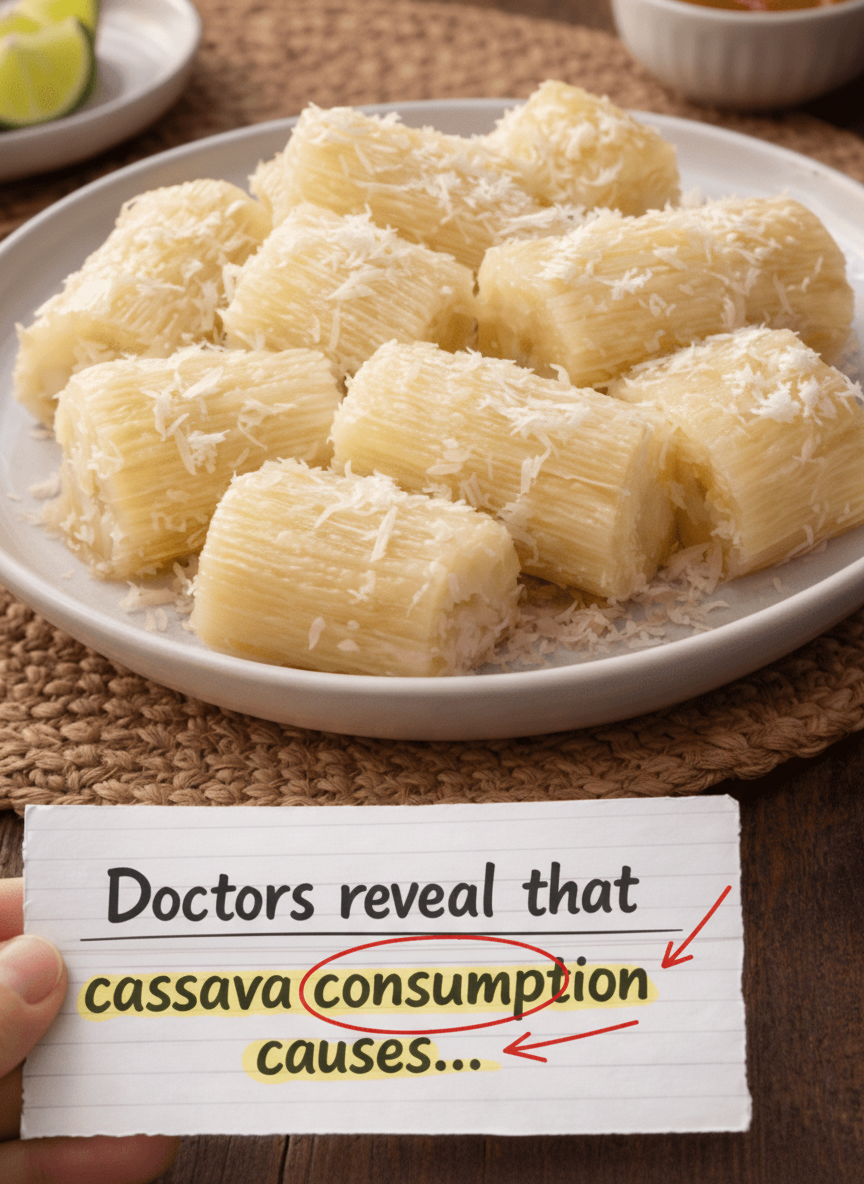
- Headaches, dizziness, nausea, or rapid breathing.
- In regions with low iodine intake, heavy cassava consumption without proper preparation may temporarily affect thyroid function.
- In rare, extreme cases involving severe malnutrition and persistent consumption of unprocessed cassava, long-term neurological effects have been noted. However, this is highly uncommon in balanced diets where cassava is just one component.
The Good News: Cassava’s Nutritional Benefits
Beyond the precautions, cassava offers significant nutritional advantages:
- Sustained Energy: Rich in carbohydrates, it provides steady fuel for active lifestyles without the energy crashes associated with other options.
- Gluten-Free: An excellent alternative for those avoiding gluten, allowing you to enjoy comforting dishes like breads and chips.
- Fiber & Vitamin C: Contributes moderate fiber for digestive health and vitamin C to support your immune system, boosting overall well-being.
How to Prepare Cassava Safely: Doctor-Recommended Steps
Making cassava completely safe is straightforward. Follow these expert-backed habits to enjoy it worry-free:
- Peel Thoroughly: The highest concentration of toxic compounds is found just beneath the skin.
- Never Eat Raw: Heat is your most effective tool for neutralizing harmful compounds.
- Cook Properly: Soak, ferment, or boil cassava for at least 30 minutes. This duration is crucial for breaking down the cyanogenic glycosides.
- Choose Wisely: Opt for “sweet” cassava varieties when available, as they naturally contain lower levels of these compounds.
- Balanced Diet: Integrate cassava as part of a varied diet, rather than relying on it as your sole food source, especially in areas with potential nutritional deficiencies.
By understanding and applying these simple preparation techniques, you can confidently include cassava in your meals, enjoying its delicious taste and nutritional benefits without any concerns. Embrace this versatile root with peace of mind!