 By admin
 Canker Sore Symptoms: Early Signs You Shouldn’t Overlook
Have you ever experienced that familiar, unwelcome sensation—a sudden, sharp sting or burning inside your mouth, followed by the appearance of a tender, painful spot? This initial discomfort often heralds the arrival of a common oral issue, transforming simple acts like speaking, drinking, or savoring your favorite meals into an ordeal. While these early signs can be alarming, they typically point to a canker sore, also medically known as an aphthous ulcer. Recognizing these first indicators is key to managing the discomfort effectively and speeding up your recovery.
What Exactly Are Canker Sores?
Canker sores are small, shallow ulcers that develop on the soft tissues within your mouth. Unlike cold sores, which are contagious and typically appear on the outer lips, canker sores are not viral and cannot be spread. Research from reputable institutions like the Mayo Clinic and Cleveland Clinic indicates that up to 20% of the population experiences these oral lesions at some point, often beginning in adolescence or early adulthood. Though common, their presence can be quite bothersome.
Recognizing the Earliest Signs of a Canker Sore
The most subtle clues of an impending canker sore often manifest 1 to 2 days before a visible lesion fully forms. Being aware of these initial sensations can empower you to take proactive steps for relief:
- Tingling or Burning Sensation: Many individuals report a mild prickling, itching, or warmth in a specific area on the tongue, inner cheek, lip, or gums. This sensation is your mouth’s first alert to developing irritation.
- Small Red Bump: Shortly after the initial sensation, a tiny, raised area may emerge. This bump often feels tender to the touch and might appear slightly swollen and reddish.
- Rapid Progression to an Ulcer: Within approximately a day, this tender bump typically evolves into a distinct round or oval sore. Characteristically, it features a white, yellow, or grayish center, surrounded by a vivid red border—often referred to as an inflammatory “halo.”
These preliminary symptoms, while initially mild, can quickly intensify, becoming quite painful, especially when exposed to acidic, spicy, or hot foods. But understanding their typical locations and appearance provides further clarity.
Common Locations and Appearance
Canker sores show a preference for certain areas within the mouth:
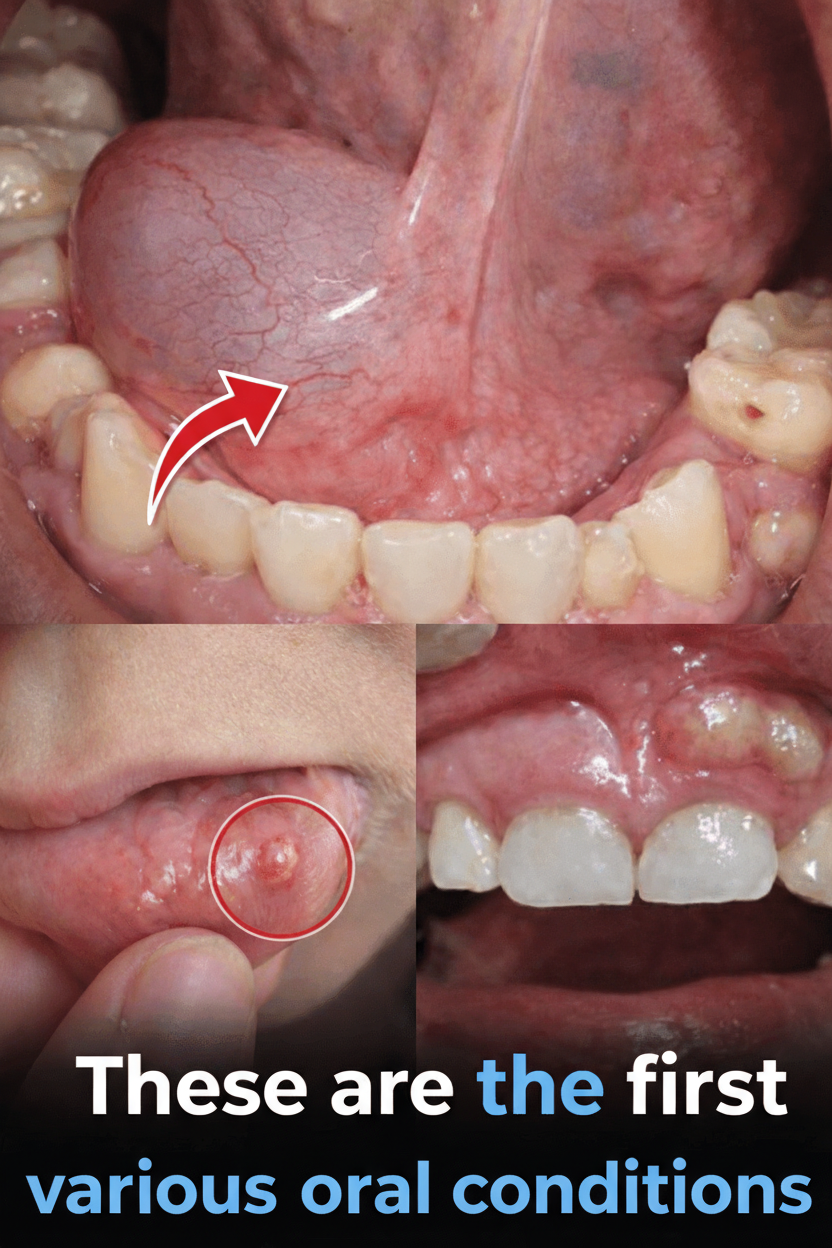
- Inside the cheeks or lips (these are the most frequent sites)
- On or underneath the tongue
- At the base of the gums
- On the soft palate (the back part of the roof of your mouth)
Most canker sores are categorized as minor aphthous ulcers, usually measuring less than 1 centimeter in diameter and healing within 1 to 2 weeks. However, larger “major” sores can reach up to 3 centimeters, are often deeper, and can persist for several weeks or even months, potentially leaving scars. Studies suggest various factors can trigger their onset, including emotional stress, minor oral injuries (such as accidental biting or dental work trauma), certain foods, or even hormonal fluctuations. Early identification of these patterns can guide timely intervention.
Distinguishing Canker Sores from Other Oral Conditions
It’s important not to confuse canker sores with more serious oral health concerns. Here’s how they typically differ:
- Canker Sores vs. Cold Sores: Canker sores exclusively form inside the mouth and are not contagious. Cold sores (fever blisters), caused by the herpes simplex virus, usually appear on the outer lips and are highly contagious.
- Canker Sores vs. Signs of Oral Cancer: Any persistent sore lasting longer than 2 to 3 weeks, unexplained lumps, white or red patches that do not heal, or unusual bleeding within the mouth warrants immediate professional medical attention. Unlike these concerning signs, typical early canker sores heal naturally within 1 to 2 weeks without scarring.
- Other Common Issues: Conditions like irritation from orthodontic braces, oral thrush (creamy white patches that can be wiped away), or viral infections (such as hand-foot-and-mouth disease, particularly in children) present with distinct patterns and symptoms. The crucial takeaway: if an oral sore lingers beyond two weeks, worsens, or is accompanied by other worrying symptoms, consult a healthcare professional for a proper diagnosis and peace of mind.
Actionable Tips to Alleviate Early Symptoms
You don’t have to passively endure the discomfort of a developing canker sore. Proactive steps can significantly ease early symptoms and promote healing:
- Gentle Oral Rinses: Regularly rinse your mouth with a warm saltwater solution (about half a teaspoon of salt in a glass of warm water) or an over-the-counter antimicrobial mouthwash. This helps reduce bacteria and soothe irritation.
- Identify and Avoid Triggers: Steer clear of acidic foods (like citrus fruits and tomatoes), spicy dishes, or rough/crunchy snacks that can further irritate the sore. Keeping a food diary might help pinpoint specific dietary triggers.
- Apply Topical Relief: Over-the-counter gels, creams, or pastes containing ingredients like benzocaine or hydrogen peroxide can provide temporary numbing and create a protective barrier, making eating and speaking more comfortable.
- Support Internal Healing: Ensure adequate hydration and opt for soft, bland foods. If you experience recurrent canker sores, discuss potential nutritional deficiencies (e.g., vitamin B12, folate, iron, zinc) with your doctor, as supplements might be beneficial.
- Manage Stress Levels: Given that emotional stress is a recognized trigger for canker sore flare-ups, incorporating stress-reducing practices like deep breathing exercises, meditation, or short walks into your daily routine can be highly beneficial.
By understanding the early signs and taking prompt action, you can significantly reduce the duration and severity of canker sore discomfort, allowing you to return to your normal routine with greater ease.