 By admin
 Have you ever noticed a faint, chalky white spot on your tooth, or felt a slight roughness with your tongue, sparking immediate concern about potential tooth decay? It can be disheartening when even a small sweet causes a twinge, making you second-guess your dietary choices and dread the thought of inconvenient dental appointments. However, a deeper understanding of tooth remineralization offers a proactive approach to bolster your teeth’s natural defenses, potentially stopping those initial signs of damage before they escalate. Stay with us to uncover a crucial role saliva plays that could fundamentally change your daily oral care routine. 💡
The Daily Battle Within Your Mouth: Demineralization vs. Remineralization
Every day, your teeth are engaged in a constant biochemical struggle: demineralization, where acids erode essential minerals from your enamel, and remineralization, a natural process where saliva works to rebuild and strengthen these very minerals. This ongoing dynamic can be a significant source of worry, especially when you spot early indicators like white lesions, reminding you of your enamel’s vulnerability and the apprehension of developing a full-blown cavity. Leading dental research, including studies from institutions like the National Institute of Dental and Craniofacial Research, confirms that shifting this balance towards effective remineralization is indeed achievable during the very first stages of enamel erosion. Ignoring these early warnings, however, can quickly escalate minor concerns into more serious dental problems, potentially impacting your confidence and overall well-being. This destructive cycle typically begins when oral bacteria consume sugars, producing acids that slowly wear away tooth enamel, creating weak spots susceptible to decay. That persistent sensitivity after consuming certain foods can amplify your stress about oral health, particularly if a demanding schedule makes consistent preventive care challenging. Fortunately, the natural process of enamel remineralization is supported by vital elements found in your saliva, such as calcium and phosphate, which are crucial for strengthening enamel before a cavity fully forms. Scientific studies consistently show that this reversal is far more likely when acid attacks are minimized through simple, consistent oral hygiene habits. ⚠️
The Critical Limitations of “Natural Cavity Repair”
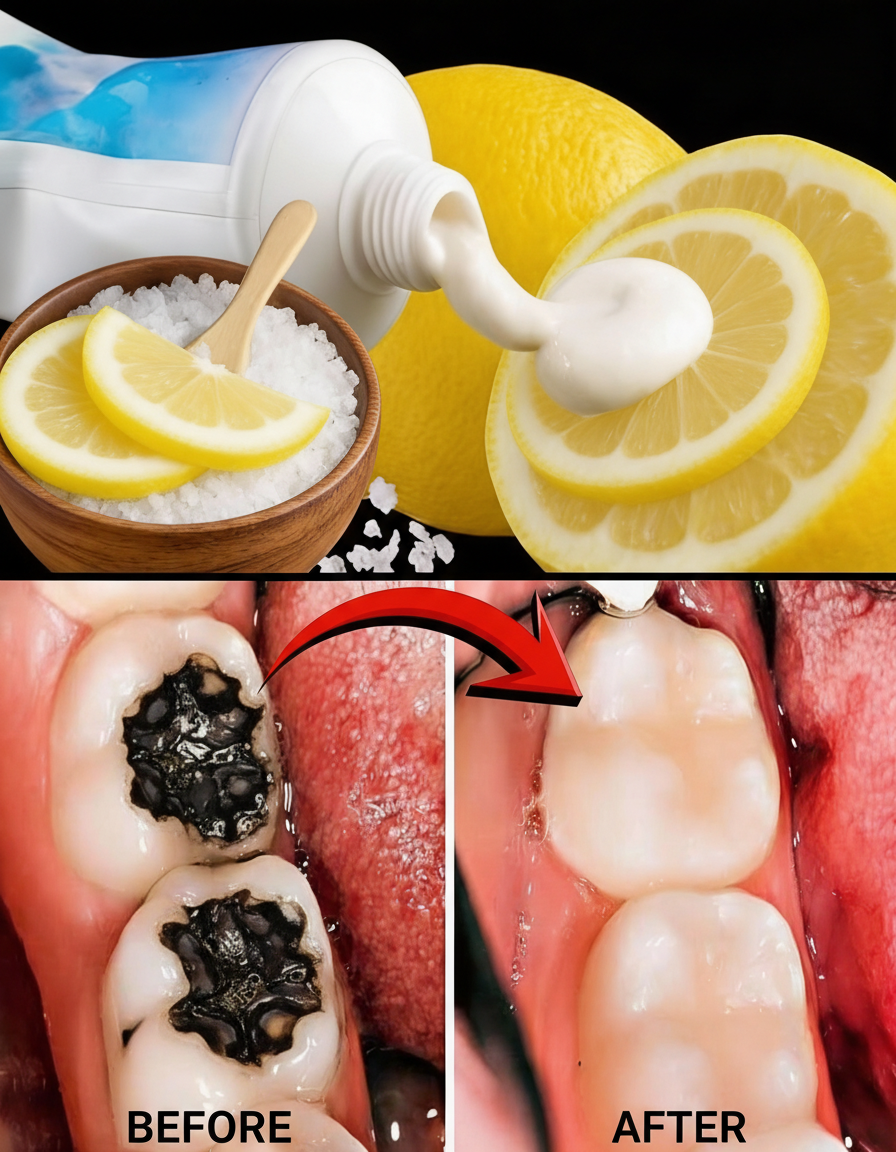
Many individuals understandably hope to achieve natural cavity repair through various home remedies or dietary changes. However, a significant disappointment often arises when it becomes clear that once a true physical hole – an established cavity – has formed, remineralization alone cannot restore the lost tooth structure. This common misconception can lead to considerable frustration, as people might feel misled by anecdotal claims while enduring persistent discomfort from progressing decay. Dental experts unequivocally state that while early enamel demineralization may respond positively to lifestyle adjustments and enhanced oral hygiene, genuine, established cavities demand professional dental intervention to prevent further damage and complications. Consider the experiences of many who, upon noticing initial white patches, harbored fears of invasive treatments, only to find partial improvement through dedicated diet modifications. Yet, the underlying concern about the progression of decay often persists, highlighting the emotional toll that uncertainty in oral health can take. Research consistently supports that tooth remineralization is most effective for non-cavitated lesions (areas of early enamel loss without a visible hole), but confusing this with the ability to fully repair an actual cavity can unfortunately lead to critical delays in seeking necessary professional care. The undeniable truth is that natural methods have specific boundaries, and understanding these limits is essential to avoid false hopes and ensure timely, appropriate treatment. 🔢
9 Effective Strategies to Boost Enamel Strength and Promote Early Remineralization
Coping with the early signs of tooth decay can feel overwhelming, but integrating proactive habits to enhance enamel remineralization can significantly alleviate this burden. Here’s a comprehensive guide to practical steps you can take:
- Reduce Sugary Intake: Drastically cut back on sugary snacks and drinks. Frequent exposure to sugars fuels acid-producing bacteria, which severely hinders natural remineralization and accelerates enamel erosion, making your teeth more susceptible to decay.
- Chew Sugar-Free Gum: Opt for sugar-free gum after meals. Chewing stimulates saliva flow, which is rich in minerals essential for remineralization, effectively neutralizing acids and washing away food particles.
- Stay Well-Hydrated: Drink plenty of water throughout the day. Water helps rinse away food debris and acids, actively supporting remineralization and counteracting the dry mouth conditions that can worsen decay.
- Incorporate Crunchy Vegetables: Add crunchy, fibrous vegetables like carrots and celery to your diet. Their natural scrubbing action helps clean teeth, stimulates saliva, and promotes remineralization, easing concerns about plaque buildup.
- Choose Phosphorus-Rich Foods: Include foods rich in phosphorus, such as eggs, fish, and lean meats. Phosphorus is a vital mineral that works synergistically with calcium to strengthen enamel, supporting robust remineralization.
- Increase Calcium Sources: Ensure adequate calcium intake from sources like dairy products, leafy greens, and fortified foods. Calcium is the primary building block of enamel, and its availability is crucial for effective remineralization, especially when dietary deficiencies are a concern.
- Boost Vitamin D Levels: Obtain sufficient vitamin D through safe sun exposure or supplements. Vitamin D is essential for the optimal absorption of calcium and phosphate, thereby significantly bolstering remineralization and addressing hidden weaknesses in your enamel.
- Limit Acidic Beverages: Avoid or significantly reduce acidic drinks like sodas, fruit juices, and energy drinks. These beverages directly erode enamel, creating a constant uphill battle for remineralization and exacerbating tooth sensitivity.
- Maintain Rigorous Oral Hygiene: Prioritize consistent and thorough oral hygiene, including brushing twice daily with fluoride toothpaste and flossing once a day. This is the fundamental cornerstone for effective remineralization, drastically reducing the likelihood of unexpected dental issues and the dread of future treatments. Remember, while these steps are powerful for prevention and early intervention, professional dental check-ups remain indispensable for comprehensive oral health.