 By admin
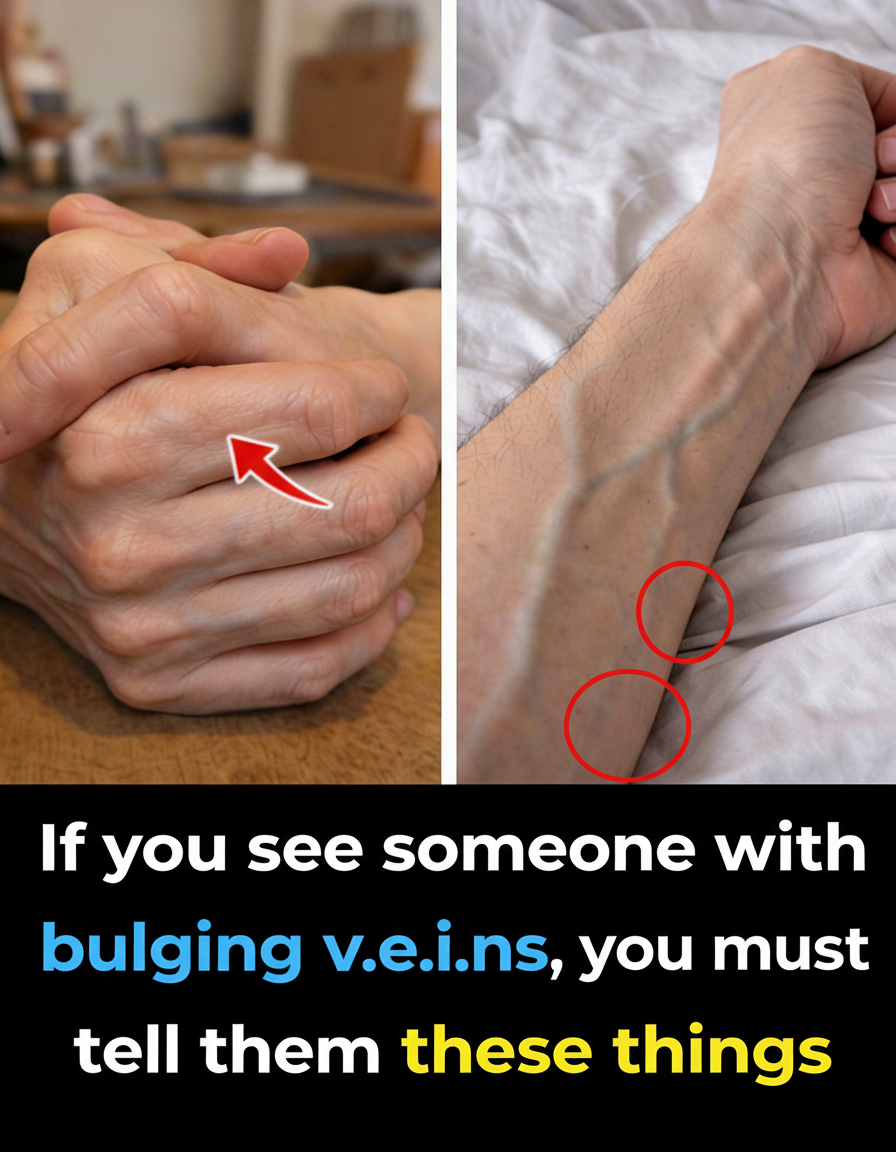
 Visible, prominent veins can be a common sight, often dismissed as a cosmetic concern or a natural part of aging. While some visible veins are harmless, others might signal underlying health issues ranging from mild discomfort to serious cardiovascular conditions. The appearance of swollen, twisted veins, especially if accompanied by pain, swelling, or skin changes, should never be overlooked. Understanding these warning signs early is paramount for timely intervention and preventing potential complications.
What Do Bulging Veins Truly Signify?
It’s important to differentiate between normal, healthy veins and those indicating a problem. For individuals with fair skin, low body fat, or those who are highly active, veins may naturally appear more prominent. However, when veins become noticeably enlarged, appear rope-like, are painful to the touch, or are associated with persistent swelling and changes in skin texture or color, they could be indicative of:
- Chronic Venous Insufficiency (CVI): A condition where leg veins struggle to efficiently return blood to the heart.
- Deep Vein Thrombosis (DVT): A potentially life-threatening blood clot forming in a deep vein, commonly in the leg.
- Superficial Vein Inflammation: Irritation or swelling of veins closer to the skin’s surface.
- Heart or Lung-Related Circulatory Problems: Particularly concerning if veins become prominent in the neck or chest.
Vascular health experts highlight that if left unaddressed, many venous disorders can progressively worsen over time. Furthermore, the specific location where bulging veins appear can offer crucial clues about their underlying cause.
Urgent Warning Signs That Demand Immediate Medical Attention
Certain symptoms accompanying bulging veins should prompt an immediate consultation with a vascular specialist. Seek urgent medical evaluation if you experience any of the following:
- Skin around a visible vein that is painful, warm, red, or significantly swollen.
- Sudden, unexplained swelling in one leg, often described as heavy or tight.
- Any bleeding directly from a bulging vein.
- Rapid and noticeable changes in skin color, such as a darkening, bluish tint, or reddish streaks.
- Bulging veins in the neck, particularly if accompanied by shortness of breath or difficulty breathing.
- Abnormally prominent veins in the chest or abdominal area.
These signs can, in rare but critical circumstances, point to severe conditions like a deep vein clot that could migrate to the lungs (pulmonary embolism), severe vein inflammation leading to skin breakdown, or significant circulatory strain on the heart or lungs. Early detection and intervention are vital to minimize the risk of serious complications.
Understanding Potential Complications
Deep Vein Thrombosis (DVT)
DVT involves the formation of a blood clot within a deep vein, most commonly in the leg. The primary danger of DVT is the risk of the clot breaking free and traveling to the lungs, causing a pulmonary embolism – a medical emergency that can be fatal. Cardiovascular health organizations emphasize several risk factors for DVT, including prolonged immobility (e.g., long flights or bed rest), dehydration, smoking, certain medications, and specific medical conditions. Key indicators of DVT include:
- Sudden, unilateral leg swelling.
- Pain or tenderness in the calf or thigh.
- Skin that feels warm to the touch over the affected area.
- Red or purplish discoloration of the skin.
Chronic Venous Insufficiency (CVI)
CVI is a progressive condition that develops when the valves within your leg veins weaken or become damaged. This impairment prevents blood from flowing efficiently back to the heart, causing it to pool in the lower extremities. Over time, this leads to a range of symptoms:
- A persistent aching or feeling of heaviness in the legs.
- Leg swelling that often worsens throughout the day and improves with elevation.
- Thickening and hardening of the skin around the ankles.
- The appearance of dark, discolored patches (hyperpigmentation), especially around the ankles.
- In advanced stages, the development of painful skin ulcers (venous ulcers).
Unlike minor bruises, CVI typically does not resolve on its own and requires lifestyle adjustments or targeted medical treatment.
Superficial Vein Inflammation (Thrombophlebitis)
Inflammation of veins close to the skin’s surface may manifest as a tender, firm, and often reddish cord-like structure. While generally less dangerous than DVT, untreated superficial vein inflammation can still cause significant discomfort, localized pain, and in some cases, lead to skin damage or progress to deeper vein involvement.
Why Bulging Neck or Chest Veins Warrant Attention
The sudden appearance of bulging veins in the neck, sometimes referred to as jugular vein distension, can be a critical indicator of increased pressure within the heart or lungs. Similarly, unusual prominence of veins in the chest or abdomen might signal internal circulatory issues or other systemic problems. While these findings don’t automatically confirm a severe condition, they are compelling reasons for prompt professional assessment. When uncertain about any new or worsening vein symptoms, consulting a healthcare provider is always the safest course of action.
Proactive Steps You Can Take Before Your Appointment
While a medical evaluation is indispensable for concerning vein symptoms, several supportive lifestyle habits can help alleviate pressure on leg veins and improve circulation. These simple, circulation-friendly practices include:
- Avoiding prolonged periods of standing or sitting in a single position.
- Elevating your legs above heart level when resting.
- Taking short, regular walks (every one to two hours) to stimulate calf muscle pump action.
- Wearing comfortable, non-restrictive clothing, particularly around the waist and legs.
- Maintaining adequate hydration throughout the day.
- Refraining from crossing your legs for extended durations.
Even gentle walking can significantly enhance the calf muscle pump, which plays a crucial role in returning blood efficiently to the heart. Consider incorporating this simple leg elevation routine:
- Lie down comfortably on a flat surface.
- Using pillows, raise your legs so they are positioned above your heart level.
- Maintain this elevated position for fifteen to twenty minutes, several times a day if possible.