 By admin
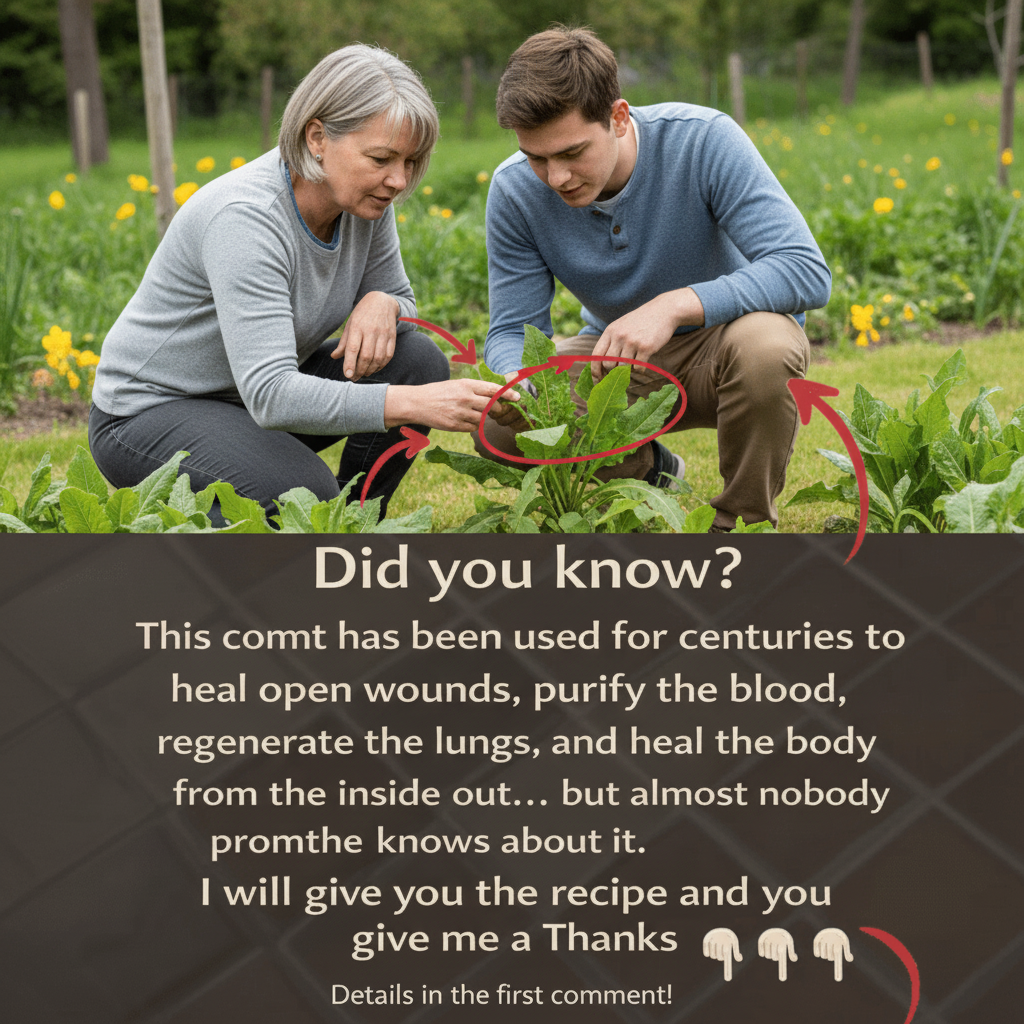
 It’s a familiar sight in gardens and along pathways, often dismissed as nothing more than a stubborn weed. Yet, for countless generations across diverse cultures, the humble broadleaf plantain (Plantago major) has been a quietly powerful ally in traditional wellness. Many, particularly older adults who might recall their grandparents’ remedies, unknowingly pass by a plant with a rich heritage of beneficial uses. This resilient green plant, thriving in the most unexpected places, holds a significant position in folk herbalism that stretches back centuries. By the conclusion of this guide, you’ll gain a deeper appreciation for Plantago major and discover how it has been safely integrated into daily wellness practices worldwide.
Unveiling Broadleaf Plantain: A Resilient Herb with Global Reach
Scientifically identified as Plantago major, broadleaf plantain is an incredibly robust herb renowned for its ability to flourish in challenging environments. You’ll find it almost everywhere: from compacted garden soil and unpaved paths to the narrow crevices of sidewalks. Its ubiquity meant that older generations, from Mexico to Europe and Asia, instinctively recognized its presence.
This versatile plant possesses several key identifying characteristics:
- Broad, oval-shaped leaves that form a low-lying rosette close to the earth.
- Distinctive parallel veins that traverse each leaf blade.
- Slender, upright flower spikes that bear tiny seeds.
What truly sets Plantago major apart is its dual identity. While modern gardeners often view it as an invasive weed, ancient herbal traditions across Europe, Asia, and the Americas have long revered it as a valuable asset in home remedies. Contemporary research into medicinal plants has revealed that broadleaf plantain is rich in beneficial compounds, including flavonoids, tannins, and plant polysaccharides. These natural constituents are thought to contribute to the body’s inherent protective mechanisms.
However, it is crucial to emphasize a critical point: broadleaf plantain should not be regarded as a miraculous panacea. Rather, it is best understood as a foundational element in traditional wellness practices and folk herbal preparations. This nuanced distinction is vital for a comprehensive understanding of its role.
Historical Applications: Broadleaf Plantain in Traditional Wellness
Throughout history, the leaves of broadleaf plantain have been esteemed for their straightforward utility in daily life. Its prominence is well-documented in various ethnobotanical records, from Mexican folk traditions to ancient European herbal texts.
Among its most widespread traditional applications are:
- External skin comfort: Historically applied to support irritated skin.
- Herbal infusions: Prepared from dried leaves, often consumed as a mild tonic.
- Digestive harmony: Incorporated into traditional preparations to aid gentle digestion.
- Poultices for minor skin issues: Used to soothe small cuts, scrapes, or insect bites.
Research published in herbal pharmacology journals lends credence to these traditional uses, indicating that plantain leaves contain compounds with potential soothing and antioxidant properties. This scientific insight helps explain its frequent appearance in diverse traditional remedies. Yet, perhaps the most compelling reason for its enduring value among elders was its unparalleled accessibility. It flourishes without cultivation, is readily available in almost any environment, and can be harvested with ease – truly a gift of nature, right at our fingertips.
The Science Behind the Herb: Key Compounds in Broadleaf Plantain
Modern scientific inquiry into medicinal herbs has successfully pinpointed a variety of natural compounds within broadleaf plantain. These include:
- Flavonoids
- Tannins
- Iridoid glycosides
- Plant mucilage
- Trace amounts of Vitamin A and Vitamin C
To better illustrate their significance, here’s a concise overview of these compounds and their traditionally recognized roles:
| Natural Compound Found In Plantain | Why It Matters |
|---|---|
| Flavonoids | Potent antioxidants known to bolster cellular health and protection. |
| Tannins | Historically associated with supporting skin and tissue integrity. |
| Mucilage | Offers natural soothing and demulcent qualities. |
| Plant compounds (general) | Frequently investigated for their potential anti-inflammatory properties. |
It is vital to reiterate a crucial point: while natural plants like broadleaf plantain contain beneficial compounds, they are not substitutes for professional medical diagnosis or treatment. Always consider plantain as a supportive element in traditional wellness routines, rather than a medical cure or intervention.
Practical Applications: Traditional Home Uses for Broadleaf Plantain
For those seeking to connect with age-old wisdom, conversations with experienced herbalists or individuals from rural communities often reveal straightforward methods for utilizing plantain leaves. Below are some of the most prevalent traditional practices:
1. Broadleaf Plantain Herbal Tea
One of the easiest and most common traditional preparations.
Steps:
- Thoroughly rinse a small handful of fresh plantain leaves.
- Roughly chop the cleaned leaves.
- Place the chopped leaves into a mug and add hot (not boiling) water.
- Allow the mixture to steep for 5 to 10 minutes.
- Strain the liquid before consuming.
The resulting tea is often described as having a gentle, subtly earthy flavor.
2. Fresh Leaf Compress (Poultice)
This method has been traditionally employed for localized skin comfort and minor irritations.
Steps:
- Select a clean, fresh broadleaf plantain leaf.
- Gently crush or chew the leaf to break down its fibers and release its natural juices.
- Apply the moistened, crushed leaf directly to the affected skin area for a brief period.
This time-honored practice is frequently detailed in classic herbal manuals.
3. Drying Leaves for Future Use
Preserving broadleaf plantain leaves for later use is another widely adopted traditional technique.
Steps:
- Harvest clean, healthy plantain leaves, ideally in the morning after the dew has dried.
- Spread the leaves thinly on a screen or cloth in a shaded, well-ventilated area to air dry completely.
- Once thoroughly dry and brittle, store them in an airtight container away from direct sunlight.
- Use the dried leaves to prepare herbal infusions or teas as needed.
Important Safety Reminder: When foraging for any wild plant, including broadleaf plantain, absolute certainty in identification is paramount. Always consult reliable field guides or experienced foragers to confirm the plant’s identity. Furthermore, ensure the harvesting area is free from pesticides, herbicides, and pollutants. If you have any underlying health conditions, are pregnant or breastfeeding, or are taking medications, consult with a healthcare professional before incorporating any new herbal remedy into your routine.