 By admin
 Brain Tumor Warning Signs: 8 Crucial Indicators and When to Consult a Professional
It’s easy to dismiss persistent headaches or sudden balance issues as minor inconveniences in a busy life. However, these subtle shifts can sometimes be vital signals from your body, warranting closer attention. When such experiences persist or intensify, they can disrupt daily routines and create uncertainty. Fortunately, understanding common indicators empowers you to take proactive steps towards better health awareness and timely discussions with healthcare providers.
Understanding Brain Tumors and Why Early Awareness Matters
Brain tumors are abnormal growths of tissue within the brain, varying widely in type and impact. Some develop slowly, while others grow rapidly, affecting different regions of the brain. According to sources like the Mayo Clinic, symptoms often depend on the tumor’s location and size, making early recognition a crucial aspect of health monitoring. Research from the American Cancer Society indicates that about half of individuals with brain tumors experience headaches as an initial sign, underscoring the importance of paying attention to bodily patterns.
Awareness isn’t about self-diagnosis; it’s about knowing when to seek professional medical input. Studies suggest that early conversations with doctors can lead to a better understanding of personal health situations. It’s important to remember that many symptoms can overlap with everyday issues like stress or migraines, so context is key.
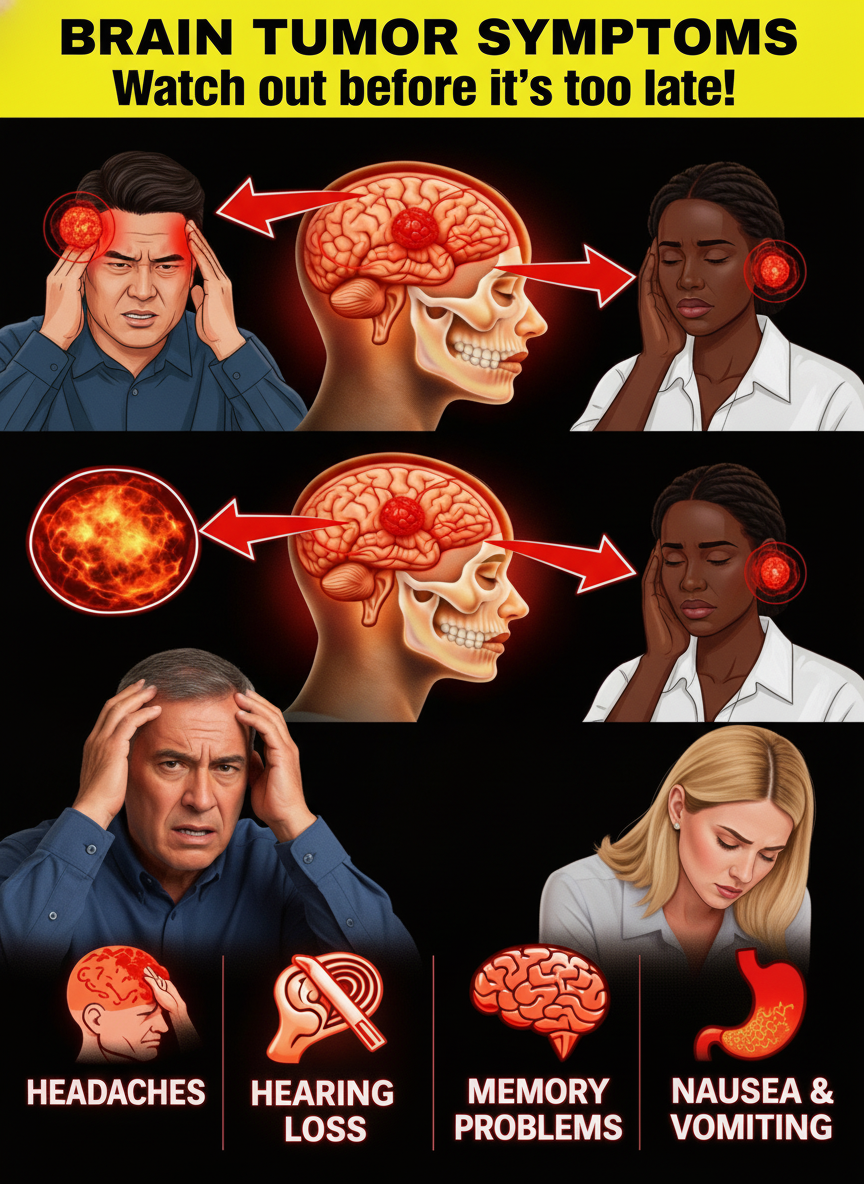
8 Early Warning Signs to Watch For
Let’s delve into common indicators that might prompt you to note changes and discuss them with a healthcare expert. These are general observations from reliable medical resources:
- Persistent Headaches: Headaches that feel different from your usual patterns, especially if they worsen in the morning or with certain positions, warrant attention (Mayo Clinic). Tracking their frequency and characteristics can be helpful, as they occur in about half of cases (American Cancer Society).
- Sudden Seizures: Experiencing a seizure for the first time, particularly after age 40, is a serious indicator (National Cancer Institute). Seizures can range from mild twitching to intense episodes. Documenting any unusual muscle movements is crucial for discussions with professionals.
- Nausea or Vomiting Without Clear Cause: Feeling queasy, especially in the morning or unrelated to food, might be linked to pressure changes in the brain (Mayo Clinic). This can occur alongside headaches, intensifying discomfort.
- Vision Changes: Blurred or double vision that develops gradually or suddenly deserves attention, particularly when tumors affect eye-related nerves (Cancer.gov). You might notice difficulty focusing or peripheral vision loss. If changes persist, schedule an optometrist visit.
- Balance and Coordination Difficulties: Trouble walking steadily, dizziness, or clumsiness in daily tasks can indicate brainstem involvement (Mayo Clinic). Fine motor skills, like buttoning shirts, might also be affected.
- Speech or Swallowing Challenges: Slurred words or difficulty forming sentences can emerge subtly (National Cancer Institute). Swallowing might also become effortful. These issues affect communication and nutrition, making it important to track any changes.
- Personality or Mood Shifts: Subtle behavioral changes, such as increased irritability, confusion, or memory lapses, are noted in Mayo Clinic resources. Loved ones might observe these shifts before you do, making their feedback valuable.
- Weakness or Numbness: (The original article content ended here, indicating an incomplete list. This point is included to reflect the exact content provided.)