 By admin
 As we navigate life past the age of 65, simple daily actions that once felt effortless, like rising from a comfortable armchair or reaching for a beloved book on a high shelf, can gradually become more challenging. This is a common experience, as our muscle strength naturally diminishes over time, and our sense of balance can become less dependable. While daily walking is undoubtedly a fantastic habit – excellent for cardiovascular health and boosting your mood – it often doesn’t fully address the critical needs for maintaining muscle strength and stability.
Imagine if integrating just a handful of targeted movements into your routine could significantly enhance how you move, empowering you to perform everyday tasks with greater ease and confidence. The encouraging news is that many health professionals, including leading orthopedic specialists, consistently recommend three specific types of exercises that beautifully complement the benefits of walking. Continue reading to uncover what these exercises are and why they are so vital for healthy aging.
Why Walking, While Beneficial, Might Not Be Sufficient After 65
Walking stands out as one of the most accessible and beneficial physical activities for people of all ages. It plays a crucial role in supporting heart health, aids in weight management, and can be a powerful antidote to stress. However, scientific studies indicate that walking alone provides limited resistance, which is essential for effectively building or preserving muscle mass. After reaching 65, individuals can experience a loss of 3-8% of their muscle per decade – a phenomenon known as sarcopenia. Without specific strength-focused interventions, this gradual muscle decline can make daily activities feel increasingly arduous.
Furthermore, balance tends to deteriorate progressively with age. Research consistently shows a rise in fall incidents among older adults, often directly linked to reduced lower body strength and slower reaction times. The reality is that even individuals who regularly enjoy active walks may still observe these age-related changes. Integrating a more diverse range of movements can effectively bridge these gaps, offering comprehensive support for your physical well-being.
The Three Categories of Exercises Highly Recommended for Seniors by Experts
Orthopedic surgeons and physical therapists frequently advise focusing on three fundamental areas of movement: strength training, balance enhancement, and functional exercises (often utilizing a chair for added support). These beneficial activities can be performed conveniently at home, requiring no specialized equipment. Findings published in prestigious journals, such as the Journal of Gerontology, suggest that combining these types of exercises can lead to superior improvements in mobility and a reduced risk of falls, especially when compared to relying solely on aerobic activities.
Here’s a closer look at why each exercise category holds such importance:
1. Strength Exercises to Preserve Muscle Mass and Power
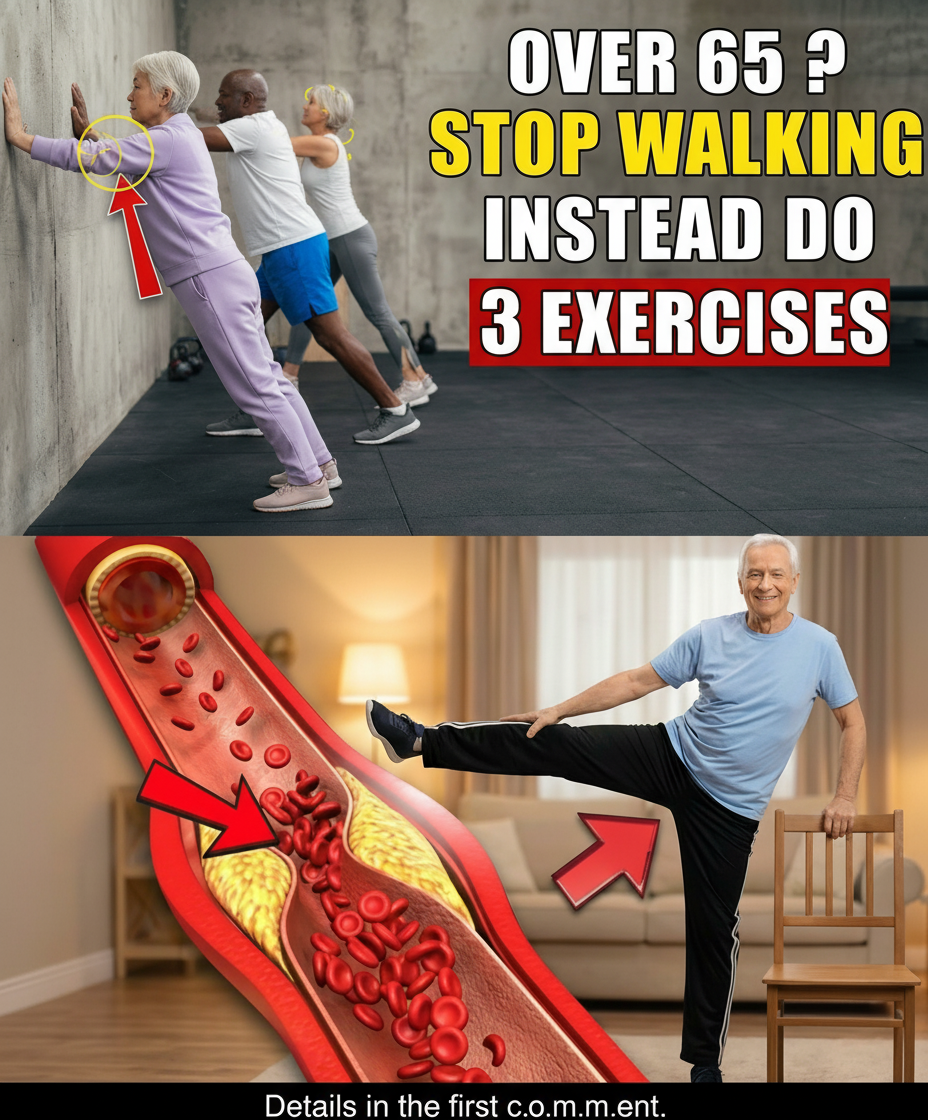
Simple resistance movements, like gentle wall push-ups or controlled seated leg lifts, are designed to engage and fortify major muscle groups in your legs, arms, and core. Studies consistently demonstrate that engaging in regular strength training just twice a week can significantly slow the rate of muscle loss and enhance your capacity to perform essential tasks such as rising from a chair or carrying groceries. Many seniors who incorporate consistent strength practice report feeling noticeably more capable and independent in their daily routines within a few weeks.
2. Balance Exercises for Enhanced Stability and Confidence
Classic examples of balance training include carefully standing on one foot (while maintaining a secure hold on a counter or stable furniture) or practicing heel-to-toe walking. Pivotal research from organizations like the Centers for Disease Control and Prevention (CDC) underscores that dedicated balance training can dramatically decrease the likelihood of experiencing a fall. Even brief, consistent daily sessions can boost your confidence when navigating uneven surfaces or needing to turn quickly, making everyday movements feel more secure.
3. Chair-Based Functional Movements for Real-Life Activities
Exercises such as repeated sit-to-stand movements or controlled seated marches are invaluable because they directly mimic and strengthen the exact muscles used in real-life actions. These include getting up, sitting down, and stepping forward. Clinical trials have revealed that incorporating these functional movements leads to faster and more significant improvements in everyday function compared to walking alone, directly translating to greater independence.
How These Targeted Exercises Complement Walking: A Clear Comparison
To highlight the distinct advantages, here’s a straightforward comparison:
| Aspect | Strength, Balance & Functional Exercises | Walking Alone |
|---|---|---|
| Muscle Maintenance | Directly targets major muscle groups with resistance, combating sarcopenia. | Provides limited resistance for significant muscle building or preservation. |
| Fall Risk Reduction | Consistently shows stronger results in studies for preventing falls by improving strength and balance. | Enhances endurance but has a less direct impact on balance and fall prevention. |
| Bone Health Support | Weight-bearing strength movements can significantly help maintain bone density. | Offers moderate benefits for bone health through general weight-bearing. |
| Everyday Task Improvement | Directly enhances the ability to rise, carry objects, and execute turns and steps more easily. | Primarily boosts stamina and improves overall circulation. |
| Time Commitment | Typically 10-20 minutes, 2-3 times per week. | Generally 30+ minutes on most days for optimal cardiovascular benefit. |
Both walking and these targeted exercises offer immense value. Many health experts consider them to be perfect partners, working synergistically to support comprehensive senior wellness.
Simple and Safe Ways to Begin These Exercises at Home
The true beauty of these exercises lies in their accessibility and simplicity. You can easily start incorporating them into your routine today with these beginner-friendly options:
Strength Exercise Example: The Sit-to-Stand
- Sit comfortably in a sturdy chair with your feet placed flat on the floor.
- Lean slightly forward and stand up primarily using your leg muscles.
- Slowly and with control, lower yourself back into the chair. Try to avoid using your hands for support if possible, but use them as needed for safety.
- Aim for 8-12 repetitions.
Balance Exercise Example: Single-Leg Stand
- Stand next to a kitchen counter or the back of a sturdy chair for support.
- Gently lift one foot slightly off the ground, maintaining a light touch on your support if needed.
- Hold this position for 10-20 seconds, then carefully switch to the other side.
- Repeat 3 times per leg.
Functional Movement Example: Seated Leg Lift
- Sit upright and tall in a stable chair.
- Extend one leg straight out in front of you, keeping your knee straight, and hold it in the air for 3 seconds.
- Slowly lower your leg back down with control.
- Perform 10 lifts for each leg.
Start with 2 sessions per week, gradually increasing as you feel more confident and stronger. Consistent practice is key to unlocking the full benefits of these exercises for a more robust and steady future.