 By admin
 Boost Your Leg Circulation: 5 Natural Foods for Optimal Blood Flow
Do your legs often feel heavy, cold, or fatigued, even after minimal activity? Experiencing discomfort, aches, or persistent cramping in your lower limbs can be a tell-tale sign of suboptimal blood circulation. While many factors influence vascular health, the foods we consume daily play a surprisingly powerful role in maintaining healthy blood vessels and promoting robust blood flow, particularly to your legs.
The good news is that you don’t need complex remedies. Scientific research consistently points to specific, nutrient-dense foods that can naturally enhance arterial function, boost nitric oxide production, and significantly improve circulation. In this article, we’ll delve into five everyday ingredients, backed by science, that can help revitalize your leg circulation, along with simple tips to effortlessly incorporate them into your diet for maximum benefit.
Why Healthy Leg Circulation is Crucial
Optimal blood flow is fundamental for overall well-being, especially in your lower extremities. It’s the vital process that delivers essential oxygen and nutrients to your leg muscles and tissues while efficiently carrying away metabolic waste products. When circulation to the legs is compromised, it can manifest as persistent discomfort, reduced mobility, slower wound healing, and even a heightened risk of more serious vascular issues.
Various elements can impact leg circulation, including the natural aging process, prolonged periods of inactivity (like sitting), and certain underlying health conditions. However, your daily dietary choices represent a powerful and accessible avenue for improvement. Extensive research, often published in leading vascular health journals, highlights a strong correlation between diets rich in antioxidants, beneficial nitrates, and healthy fats, and enhanced endothelial function—the health of the delicate inner lining of your blood vessels. This, in turn, facilitates smoother, more efficient blood movement throughout your legs.
Understanding the Nutritional Science Behind Better Blood Flow
The profound impact of diet on circulation stems from specific bioactive compounds found abundantly in everyday foods. These include:
- Nitrates: When consumed, dietary nitrates convert into nitric oxide within the body. Nitric oxide is a potent vasodilator, meaning it helps relax and widen blood vessels, allowing for increased blood flow.
- Antioxidants (e.g., Flavonoids): These powerful compounds combat oxidative stress, which can damage and stiffen arterial walls. By neutralizing free radicals, antioxidants help maintain the elasticity and integrity of your blood vessels.
- Omega-3 Fatty Acids: Renowned for their anti-inflammatory properties, omega-3s play a crucial role in reducing systemic inflammation, a key contributor to vascular damage and impaired circulation.
Numerous studies, often synthesized in reputable health platforms like Healthline and peer-reviewed on databases such as PubMed, consistently demonstrate that incorporating these nutrient-rich elements into your diet, alongside regular physical activity and adequate hydration, can measurably improve circulation markers within weeks to months. The exciting takeaway? You don’t need expensive or hard-to-find supplements; the power lies in wholesome, accessible foods.
5 Everyday Foods That May Help Support Leg Circulation
Let’s dive into the five standout foods. Each one has evidence-backed compounds that support healthy blood flow naturally.
1. Garlic: Your Daily Dose for Vascular Health
Beyond its culinary appeal, garlic is a powerhouse for circulation, primarily due to a compound called allicin. Research indicates that allicin can significantly stimulate nitric oxide production, leading to improved vasodilation and relaxation of blood vessels. Regular consumption of garlic has been linked to enhanced arterial flexibility and overall vascular function.
Simple Ways to Enjoy:
- For maximum benefit, crush or chop fresh garlic and allow it to sit for about 10 minutes before cooking; this activates its potent sulfur compounds.
- Incorporate 1-2 cloves daily into your stir-fries, pasta sauces, soups, or roasted vegetable dishes.
This humble bulb offers a powerful boost to your circulatory system!
2. Beets: Nature’s Nitrate-Rich Elixir
Beetroots are celebrated for their exceptionally high concentration of dietary nitrates, which the body efficiently converts into nitric oxide. Clinical studies have impressively shown that consuming beetroot juice or whole beets can lead to noticeable improvements in blood vessel dilation and overall blood flow within just a few hours. This makes beets an excellent choice for a quick circulatory boost.
Effortless Integration:
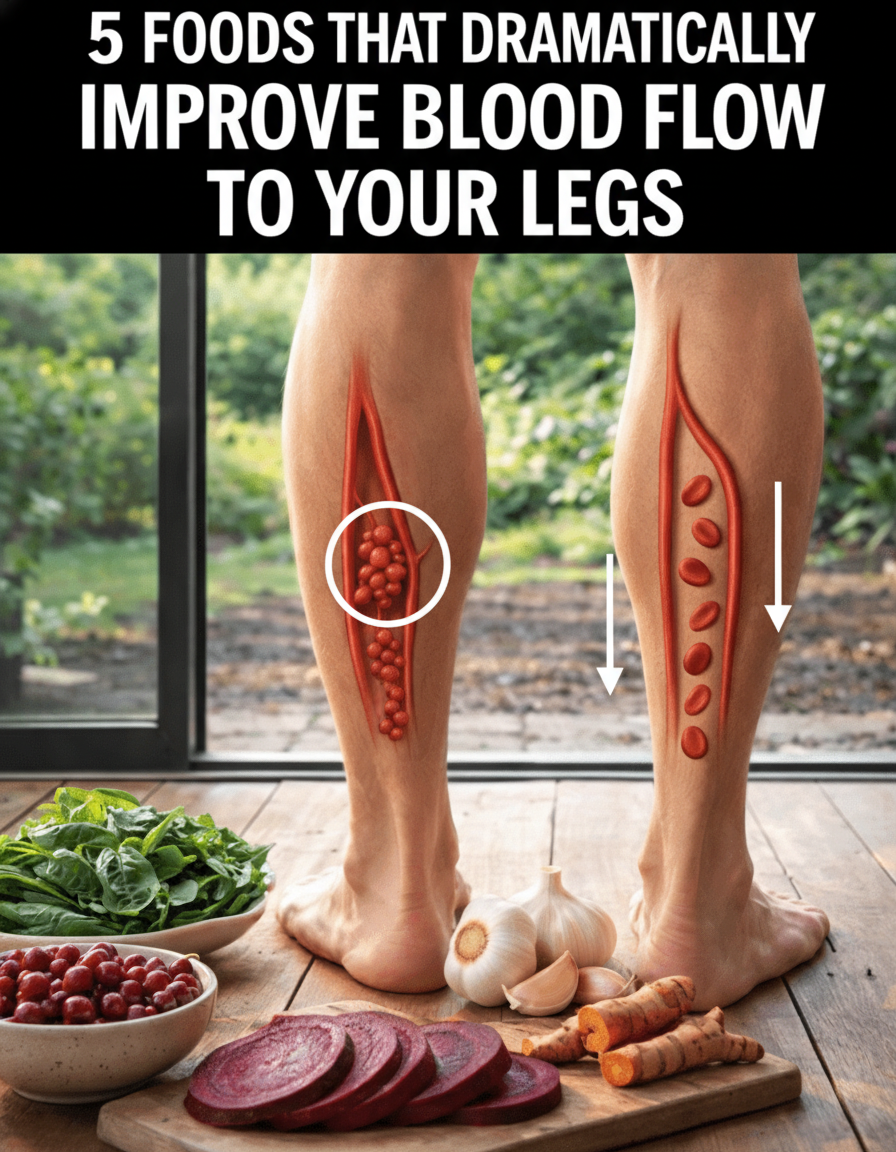
- Roast sliced beets with a drizzle of olive oil and herbs for a delicious side.
- Blend raw or cooked beets into your morning smoothies for a vibrant, nutrient-packed drink.
The vibrant red hue of beets also comes from betalains, powerful antioxidants that further contribute to vascular well-being.
3. Leafy Greens (Spinach, Kale, Arugula): Everyday Vascular Support
Dark, leafy greens such as spinach, kale, and arugula are nutritional powerhouses, particularly abundant in nitrates and vitamin K. Both of these nutrients are intrinsically linked to superior blood vessel function. Reputable health organizations, including WebMD, often emphasize how these verdant vegetables contribute to the widening of blood vessels, thereby facilitating smoother and more efficient blood circulation.
Simple Serving Suggestions:
- Effortlessly add a handful of greens to your salads, omelets, or morning smoothies.
- For optimal nutrient preservation, aim for 2-3 cups daily, consumed either raw or lightly cooked.
Don’t underestimate the profound benefits these greens offer for your circulatory system!
4. Berries (Blueberries, Strawberries, Raspberries): Antioxidant Champions
These vibrant fruits, including blueberries, strawberries, and raspberries, are packed with anthocyanins—a class of powerful flavonoids. Scientific investigations consistently connect anthocyanin-rich diets to a significant reduction in systemic inflammation and a marked improvement in endothelial function. Regular consumption of berries has been shown to positively impact various circulation markers over time, contributing to long-term vascular health.
Easy Ways to Incorporate:
- Stir a cup of mixed berries into your breakfast yogurt or oatmeal.
- Enjoy them as a refreshing and healthy snack throughout the day.
- Frozen berries are an excellent year-round option, retaining the majority of their beneficial compounds.
Delicious and incredibly beneficial, berries are a treat that supports your body from the inside out.
5. Fatty Fish (Salmon, Mackerel, Sardines): Omega-3 Powerhouses for Vascular Health
Fatty fish like salmon, mackerel, and sardines are exceptional sources of omega-3 fatty acids, particularly EPA and DHA. These essential fats are renowned for their potent anti-inflammatory properties, which are critical for maintaining healthy blood vessels and promoting optimal blood flow. By reducing inflammation, omega-3s help prevent arterial stiffness and plaque buildup, thereby supporting overall cardiovascular wellness and efficient circulation to your legs.
Serving Suggestions:
- Aim for 2-3 servings of fatty fish per week.
- Enjoy baked, grilled, or pan-seared salmon.
- Add sardines to salads or whole-grain toast for a quick, nutrient-dense meal.
These fish not only provide circulatory benefits but also contribute to brain health and overall vitality.
Embrace a Circulatory-Friendly Diet
Incorporating these five simple, science-backed foods into your daily diet is a delicious and effective strategy for naturally enhancing blood flow to your legs. By focusing on nutrient-rich ingredients that promote nitric oxide production, reduce inflammation, and protect your blood vessels, you can take proactive steps toward alleviating discomfort and improving your overall vascular health. Start enjoying these foods today and feel the difference in your step!