 By admin
 It’s a common refrain we often hear: “Simply walk more.” While walking undeniably offers significant benefits, what if your body is subtly signaling a need for something beyond a simple stroll? Consider incorporating specific movements that could enhance your balance, fortify your joints, and invigorate your energy levels in ways that walking alone might not achieve. For older adults aiming to cultivate greater stability, strength, and flexibility, these five frequently overlooked exercises could provide the essential solution.
For a long time, walking has been celebrated as the ultimate method for maintaining an active lifestyle, praised for its simplicity, cost-free nature, and universal accessibility. However, a crucial point often missed is that while walking excels at boosting cardiovascular health, it frequently falls short in addressing the comprehensive needs of an aging physique. Even those who walk daily may still contend with stiffness, inadequate balance, and the natural loss of muscle mass. Such challenges can elevate the danger of falls, diminish self-assurance, and complicate routine daily tasks.
Indeed, as we age, our muscles, joints, and bones undergo significant transformations. Post-50, individuals naturally experience sarcopenia, a condition characterized by the progressive loss of muscle mass, which can critically impair strength and overall mobility. When compounded by diminishing bone density and extended recovery periods, relying solely on walking often proves insufficient for preserving independence. Consequently, health professionals advocate for a more comprehensive exercise regimen that specifically targets strength, flexibility, and stability. This is precisely where these five upcoming movements become intriguing, as they hold the potential to offer far greater benefits than an hour of walking.
We will now explore these beneficial movements, counting them down from number five to the most impactful one. By the conclusion of this discussion, you will be introduced to the singular exercise that, according to research, offers the most profound advantages for your holistic well-being.
Coming in at number five are Chair Squats. The act of sitting down and standing up is performed numerous times throughout our daily routines, yet transforming this common action into a deliberate exercise can significantly fortify your legs and core. Here’s a notable advantage: developing stronger leg muscles provides enhanced protection for your knees and hips, thereby simplifying everyday tasks such as ascending stairs. Executing chair squats is straightforward: slowly rise from a seated position, then gently lower yourself back down, ideally without using your hands for support. Performing this sequence 10 times constitutes an effective workout.
Our fourth recommendation is the Heel-to-Toe Walk. This particular exercise resembles the motion of walking a tightrope. To perform it, position one foot directly ahead of the other, ensuring the heel of your front foot makes contact with the toes of your back foot. This movement is designed to enhance balance by actively challenging your coordination. A significant benefit here is that improved balance can substantially lower your susceptibility to falls, which represent a prevalent hazard for the elderly. Integrating just a few steps of this exercise daily can effectively train your body to achieve greater stability.
Securing the third spot are Arm Raises with Light Weights. A common oversight among many older adults is an exclusive focus on leg strength, neglecting the equally vital importance of robust arms and shoulders. By utilizing light dumbbells or even household items like water bottles, slowly elevate your arms to shoulder height before gently lowering them. This exercise can contribute to better posture and render everyday tasks—such as carrying groceries or reaching for items on a high shelf—considerably easier. Furthermore, studies indicate that incorporating resistance exercises can aid in preserving bone density, a crucial aspect of health during the aging process.
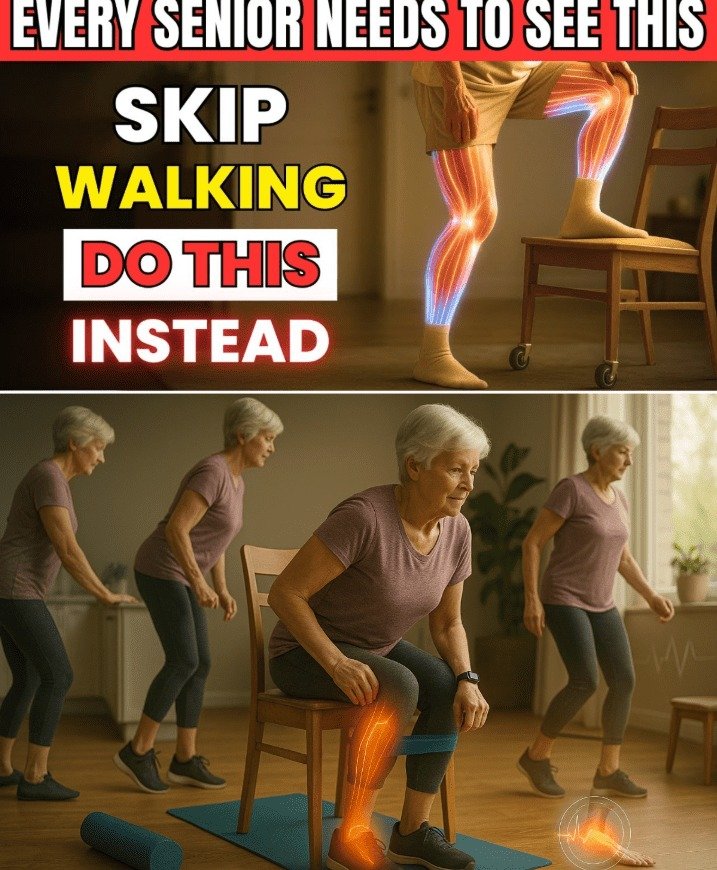
Our runner-up, at number two, is Seated Leg Lifts. While maintaining an upright posture in a chair, extend one leg straight out and hold it elevated for several seconds before gradually lowering it. Alternate this action between both legs. This exercise actively targets your thighs and hips, regions that frequently become weakened due to prolonged periods of sitting. The primary advantage is that it helps maintain sufficient leg strength to support stable walking, confident standing, and even improved balance during unexpected movements. Certain research also proposes that these straightforward lifts can activate your core muscles, providing essential back support and enhancing overall stability.
And finally, claiming the top position at number one: Gentle Yoga Stretches. There’s no requirement for expensive equipment or mastering complex, contorted poses. Basic stretches such as seated spinal twists, the cat-cow movement (involving arching and rounding the back from a hands-and-knees position), or even standing forward bends can effectively boost flexibility and enhance circulation. Yoga transcends mere stretching; it integrates elements of balance, controlled breathing, and mindful awareness. The significant reward here is that studies suggest yoga can profoundly improve both physical and mental well-being, offering benefits for stress reduction, mood enhancement, and heightened body awareness—all within a single, holistic practice.
What, then, is the optimal approach? Rather than exclusively depending on walking, consider integrating these five dynamic movements into your daily regimen. There’s no pressure to perform them all simultaneously; begin with one or two and progressively increase your engagement. Dedicate a few minutes each day, keeping in mind that consistent effort yields greater results than sporadic intense sessions. Prior to embarking on any new exercise program, it is always advisable to consult with a qualified healthcare professional to ensure these movements are appropriate and safe for your individual health requirements.
The inherent appeal of these exercises lies in their accessibility; they do not necessitate costly equipment or a gym subscription. You can comfortably perform them within the confines of your home, whether in your living room or even outdoors in your yard. While they might appear modest initially, consistent engagement with these movements can, over time, significantly contribute to maintaining your independence, alleviating physical stiffness, and fostering greater confidence in your own body.
Therefore, consider this your personal invitation: commit to trying at least one of these recommended movements this week. Pay close attention to how your body reacts and adapts. Even brief daily sessions can leave you feeling noticeably stronger, more stable, and genuinely more energetic. Remember, incremental adjustments can accumulate into profound and lasting outcomes over time—a benefit your future self will undoubtedly appreciate.
Please note that this article is provided for informational purposes solely and should not be construed as a substitute for professional medical advice. Readers are strongly encouraged to consult with a qualified healthcare provider for personalized guidance tailored to their specific health needs.