 By admin
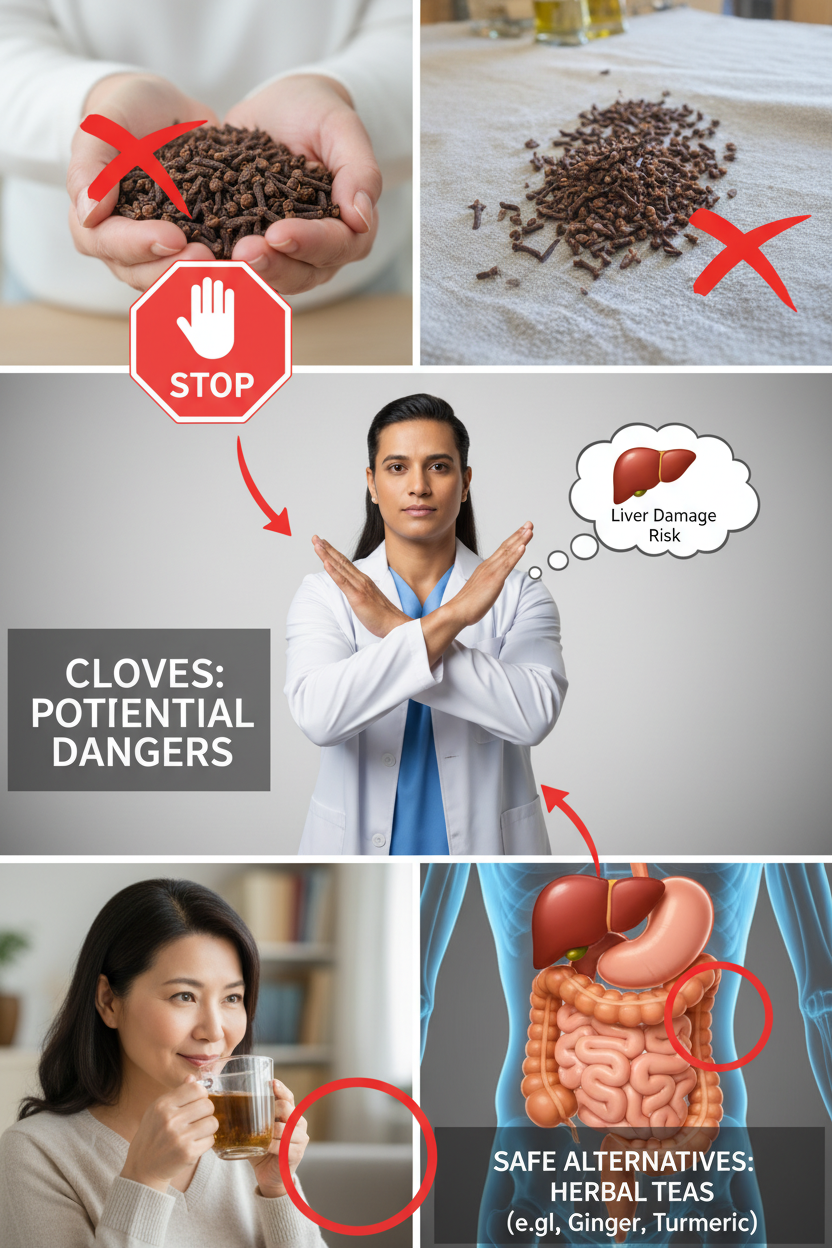
 Cloves (Syzygium aromaticum) are a globally cherished spice, renowned not only for their distinctive aroma and flavor but also for their traditional medicinal applications. The primary active compound, eugenol, contributes to their mild antioxidant, anti-inflammatory, and antimicrobial benefits when consumed in culinary quantities. However, while generally considered safe as a food seasoning for the majority, concentrated forms of cloves—such as essential oils, supplements, or high doses—present significant contraindications. The potent nature of eugenol means it can potentially influence blood clotting, regulate blood sugar levels, irritate sensitive tissues, or interact adversely with various medications. Reputable sources like WebMD, Mayo Clinic, Drugs.com, and comprehensive pharmacology reviews consistently underscore these potential risks. Consequently, it is paramount to seek professional medical advice before incorporating cloves for any therapeutic purpose.
Essential Precautions: Who Should Avoid or Limit Clove Consumption and Why
Individuals Taking Blood Thinners (Anticoagulants/Antiplatelets)
Eugenol, the active compound in cloves, possesses properties that can inhibit platelet aggregation – a crucial step in blood clotting. For individuals already prescribed anticoagulant or antiplatelet medications like warfarin, aspirin, or clopidogrel, consuming cloves, particularly in concentrated forms, significantly elevates the risk of excessive bleeding or bruising. This interaction is well-documented in various case reports and drug interaction databases, making medical consultation imperative.
Those with Diagnosed Bleeding Disorders
People suffering from conditions such as hemophilia or those with naturally low platelet counts are inherently prone to bleeding. The blood-thinning effects of eugenol could exacerbate these pre-existing tendencies, leading to more severe or prolonged bleeding episodes. Therefore, caution is strongly advised to prevent further complications.
Patients Undergoing Surgery
Due to their potential to prolong bleeding time, cloves should be discontinued at least two weeks prior to any scheduled surgical procedure. This is a standard herbal precaution aimed at minimizing the risk of intraoperative or postoperative hemorrhagic complications, ensuring a safer surgical experience.
Pregnant and Breastfeeding Individuals
Historically, high doses of cloves have been associated with uterine stimulant properties. While evidence in humans is limited and safety data remains insufficient, animal studies suggest a potential risk of miscarriage, especially with concentrated forms. Given these concerns and the lack of conclusive safety assurances, pregnant or breastfeeding women are generally advised to avoid medicinal or high-dose clove consumption to protect both maternal and infant health.
Individuals with Low Blood Sugar or on Diabetes Medication
Cloves have demonstrated a potential to lower blood glucose levels. For those already managing low blood sugar (hypoglycemia) or taking medications for diabetes, consuming cloves could lead to an unsafe drop in blood sugar. Small-scale studies and drug interaction warnings support this risk, necessitating careful monitoring and medical consultation to prevent adverse hypoglycemic events.
Patients with Stomach Ulcers or GERD (Gastroesophageal Reflux Disease)
The eugenol in cloves can act as a gastric irritant when consumed in excessive amounts. Individuals suffering from stomach ulcers or GERD may experience exacerbated symptoms, including increased pain and potentially further irritation or bleeding of the mucosal lining. Therefore, limiting or avoiding raw or concentrated forms of cloves is prudent for digestive health.
Young Children (Especially Under Two Years Old)
Cloves, particularly whole cloves, pose a choking hazard for very young children. Furthermore, their developing systems are highly sensitive to concentrated compounds like eugenol, making them susceptible to toxicity from clove oil or supplements. For these reasons, it is strongly recommended to keep cloves, especially in potent forms, out of reach of infants and toddlers.
Individuals with Known Allergies or Sensitivities
Although uncommon, some individuals may develop allergic reactions or sensitivities to cloves. These can manifest as contact dermatitis (skin rash) or, in more severe cases, respiratory issues. Anyone with a known allergy to spices or a history of hypersensitivity should exercise extreme caution or avoid cloves entirely.
| Group at Risk | Primary Concern | Key Recommendation |
|---|---|---|
| Blood Thinners / Surgical Patients | Increased Bleeding Risk | Avoid concentrated forms or high doses; discontinue 2 weeks pre-surgery. |
| Pregnant / Breastfeeding Women | Uterine Stimulation / Limited Safety Data | Avoid medicinal or high-dose consumption. |
| Diabetics / Hypoglycemia Risk | Risk of Low Blood Sugar (Hypoglycemia) | Monitor blood sugar closely; consult doctor before use. |
| Stomach Ulcers / GERD | Gastric Irritation | Limit raw or excessive clove intake. |
| Young Children (Under 2) | Toxicity / Choking Hazard | Avoid clove oil, supplements, and whole cloves. |
| Allergic / Sensitive Individuals | Allergic Reactions (e.g., dermatitis, respiratory issues) | Exercise extreme caution or avoid completely. |
Guidelines for Responsible Clove Use
- Culinary Applications: When used as a seasoning in typical food preparations (e.g., 1-3 whole cloves per meal), cloves are generally considered safe for most healthy adults.
- Clove Oil & Supplements: Due to their potency, clove oil and supplements should always be diluted, used in low doses, and only under the explicit guidance and approval of a healthcare professional.
- Clove Tea: Occasional consumption of clove tea (1-2 cups per day) is typically safe, but moderation is key.
- Self-Monitoring: Always pay attention to your body’s response. Should any adverse symptoms or discomfort arise after consuming cloves, discontinue use immediately and seek medical advice.
Conclusion: Enjoying Cloves with Awareness and Caution
While cloves undeniably enrich our culinary experiences and offer a spectrum of mild health benefits, the potent compound eugenol necessitates a mindful approach, particularly for the identified risk groups. Enjoy cloves in their culinary capacity, but for any medicinal applications or if you fall into any of the contraindication categories, always prioritize consulting a qualified healthcare professional. Your health and safety should be paramount.
Disclaimer:
This article is provided for informational purposes only and does not constitute medical advice. It is not intended to diagnose, treat, cure, or prevent any disease. Always consult with a qualified doctor or pharmacist before making any decisions related to your health or starting any new supplement regimen. Individual results may vary.