 By admin
 Beyond the Spice: 5 Health Conditions Where Limiting Ginger Might Be Wise
Ginger, a celebrated root, often finds its way into our daily routines—from a soothing morning tea to a flavorful stir-fry. It’s widely lauded for its natural digestive aid and anti-nausea properties. However, a closer look at scientific research, including insights from reputable sources like WebMD and the National Institutes of Health, reveals that ginger’s potent active compounds can significantly impact blood clotting mechanisms and interact unexpectedly with certain medications. While many individuals consume ginger without any adverse effects, for others with specific health challenges, even moderate intake could pose risks such as heightened bleeding tendencies or altered drug efficacy. The good news is that understanding these potential interactions empowers you to make informed decisions about when ginger is beneficial and when it’s best to exercise caution. Join us as we explore five critical health scenarios where limiting ginger is often recommended, along with key medication combinations to be aware of, and essential steps to discuss with your healthcare provider.
Why Ginger Isn’t Always as Innocuous as It Seems
Ginger owes its distinctive warmth and numerous health-promoting attributes to powerful bioactive compounds, primarily gingerols and shogaols. These very constituents can influence your body’s physiological processes, particularly how blood clotting factors function and how certain pharmaceutical drugs are metabolized. Studies indicate that ginger may, in some instances, impede blood coagulation, prompting health experts to advise particular vigilance for specific populations. Nevertheless, it’s crucial to acknowledge that ginger, when consumed in typical food amounts (generally up to 4 grams daily), is widely considered safe for most healthy adults, with a low incidence of side effects. The crux lies in mindful consumption and awareness. Higher doses, frequently encountered in concentrated supplements, are more prone to causing issues such as mild heartburn, stomach discomfort, or adverse interactions. This is where many people encounter a surprise: everyday habits, like regular ginger tea consumption, can accumulate, especially if you’re managing an existing health condition.
Five Health Scenarios Where Ginger Consumption May Require Caution
Extensive research underscores several situations where the effects of ginger might necessitate careful consideration. It is always paramount to consult with your healthcare professional before making any dietary adjustments, as individual health profiles play a significant role.
1. Bleeding Disorders or Impaired Clotting Function
According to reviews from medical platforms such as WebMD, ginger possesses properties that can inhibit blood clotting by affecting thromboxane synthesis and platelet aggregation. For individuals diagnosed with bleeding disorders, this effect could elevate the risk of easy bruising, prolonged bleeding from minor injuries, or even spontaneous hemorrhage. Even a small cut might take considerably longer to stop bleeding.
2. Concomitant Use of Blood-Thinning Medications
Anticoagulants and antiplatelet drugs, commonly prescribed medications like warfarin (Coumadin), aspirin, clopidogrel (Plavix), or heparin, are designed to prevent blood clot formation. Ginger has the potential to amplify the effects of these vital medications, thereby increasing the likelihood of serious bleeding complications. Clinical observations and case reports have documented instances of elevated International Normalized Ratio (INR) levels—a key measure of clotting time—when ginger was incorporated into a patient’s regimen alongside these drugs.
3. Prior to Surgical Procedures or Operations
Given its documented influence on blood coagulation, numerous medical professionals recommend discontinuing ginger intake (particularly ginger supplements) for one to two weeks before any scheduled surgery or invasive procedure. This precautionary measure is crucial for minimizing the risk of excessive bleeding during and immediately following the operation.
4. Gallbladder Conditions or Gallstones
Ginger is known to stimulate the production and flow of bile, which is beneficial for digestion in healthy individuals. However, in those with pre-existing conditions like gallstones (cholelithiasis) or inflammation of the gallbladder (cholecystitis), this increased bile secretion could potentially exacerbate symptoms, leading to heightened discomfort or even triggering a gallbladder attack.
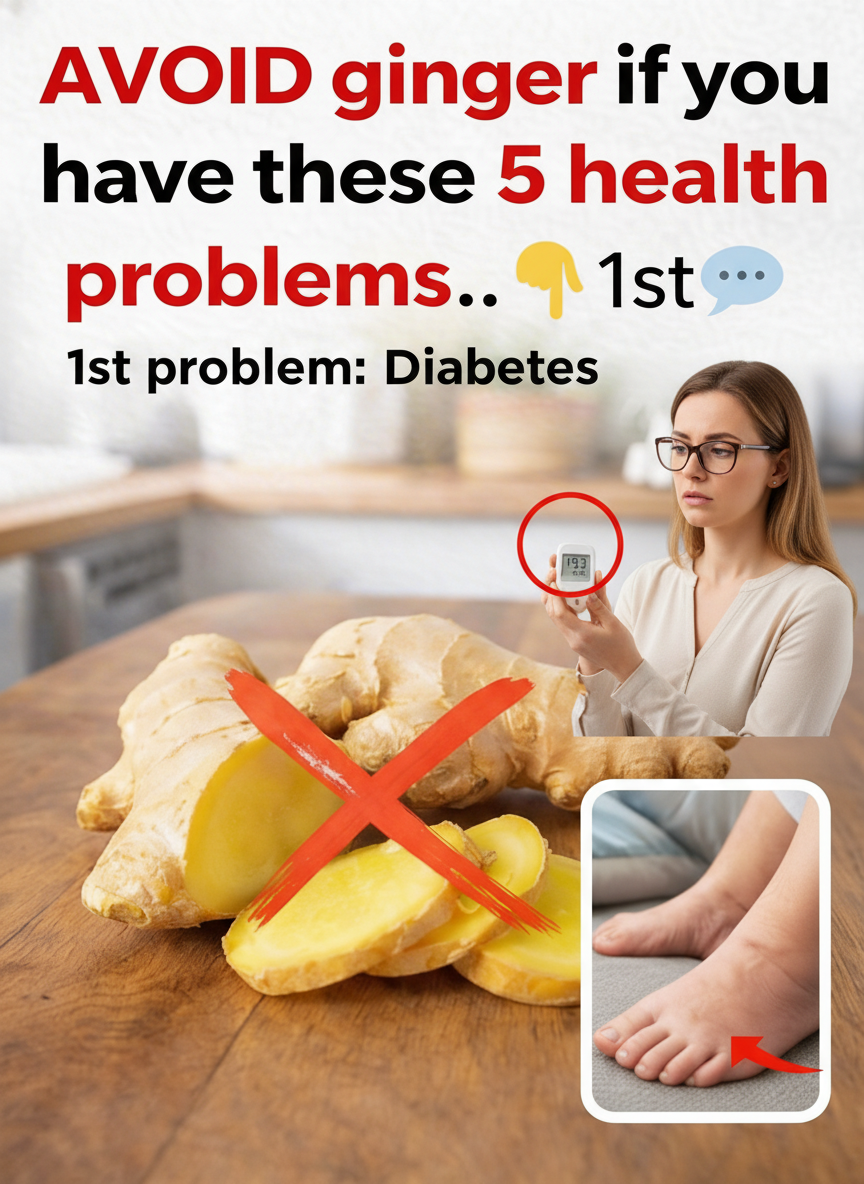
5. Diabetes Management with Blood Sugar-Lowering Medications
Ginger has been observed to influence blood glucose levels and improve insulin sensitivity. When consumed concurrently with medications prescribed for diabetes, such as insulin or metformin, there is a theoretical potential for an additive effect, possibly leading to lower-than-expected blood sugar (hypoglycemia). While the evidence can vary, especially with food-grade amounts, caution is advised for those on strict glycemic control regimens. It’s important to clarify that these considerations are not absolute prohibitions; many individuals with these conditions can still enjoy small amounts of ginger in their cooking without issues. The primary concern typically arises with ginger supplements or high doses, where the physiological effects are significantly more pronounced.
Critical Medication Interactions to Discuss with Your Doctor
Ginger’s capacity for interaction extends to several commonly prescribed medications. Here’s a concise overview based on clinical findings and expert recommendations:
- Blood Thinners (e.g., Warfarin/Coumadin, Aspirin, Clopidogrel/Plavix): May significantly heighten the risk of bleeding.
- Blood Pressure Medications (e.g., Beta-blockers, ACE inhibitors): Ginger might further reduce blood pressure, potentially causing symptoms like dizziness or lightheadedness in susceptible individuals.
- Diabetes Medications (e.g., Insulin, Metformin): Could lead to an enhanced blood sugar-lowering effect, increasing the risk of hypoglycemia.
- Certain Heart Medications: In high concentrations, ginger may affect heart rhythm or blood pressure in sensitive patients, necessitating careful monitoring.
If you are currently taking any of these medications, a candid conversation with your pharmacist or physician is essential to determine safe consumption levels and avoid potential complications. Your healthcare team can provide personalized guidance tailored to your specific health needs.