 By admin
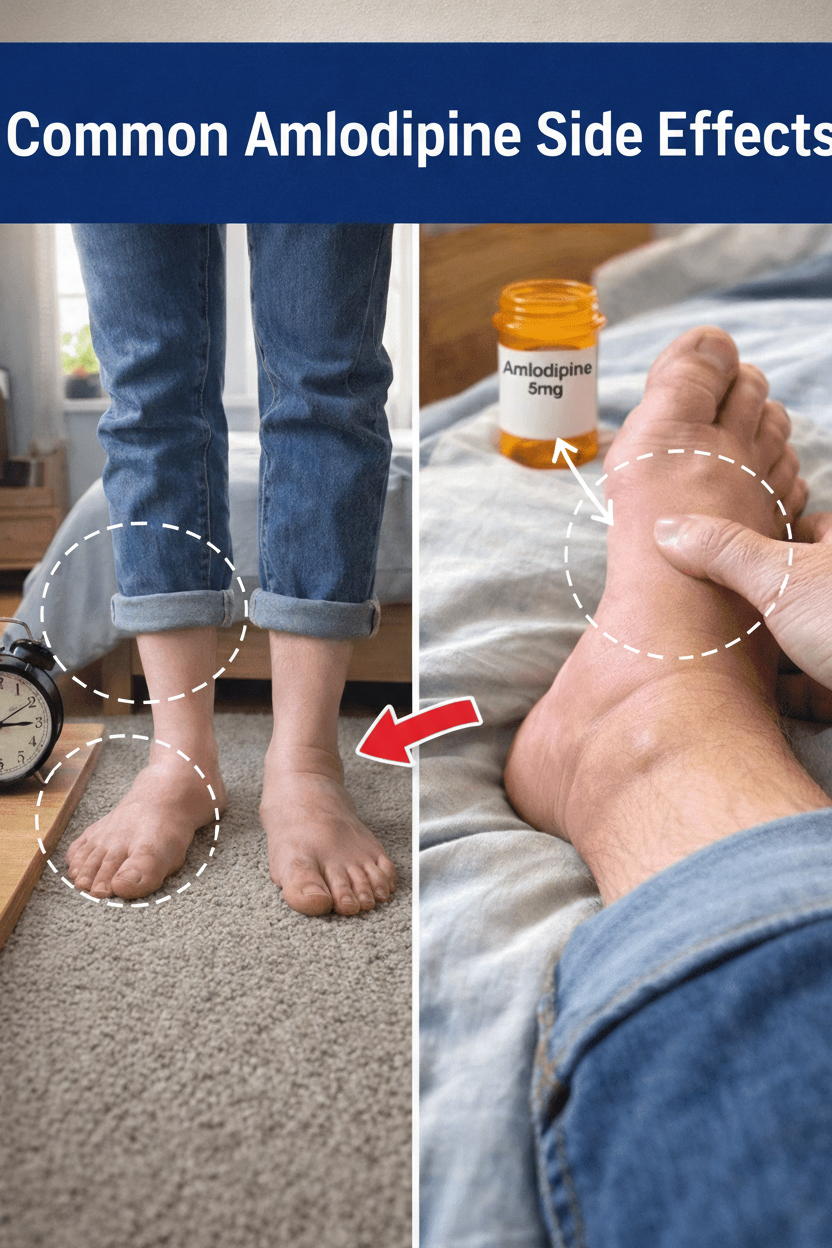
 If you or a loved one relies on amlodipine to manage high blood pressure or chest pain, you’re likely familiar with its more frequently discussed adverse reactions, such as swollen ankles or headaches. However, a significant number of individuals encounter more subtle or rarely publicized changes that can catch them off guard. These experiences often emerge gradually, leading them to be dismissed as typical signs of aging or everyday stress.
These lesser-known amlodipine side effects can impact daily life more profoundly than anticipated, ranging from changes in gum health to persistent tiredness or unusual skin sensations. The encouraging news is that increased awareness empowers patients to identify these symptoms early and engage in timely discussions with their healthcare provider about potential adjustments. There’s one particular effect that astonishes nearly everyone once they connect the dots – continue reading to uncover what it is and why its initial indicators are so frequently overlooked.
Understanding Why Amlodipine Can Trigger Unexpected Reactions
Amlodipine belongs to a critical class of drugs known as calcium channel blockers. Its primary function is to relax and widen blood vessels, thereby enhancing blood flow and lowering blood pressure. While this mechanism is highly effective for most users, the very process of vasodilation can influence other bodily systems in surprising ways.
Both clinical studies and extensive patient reports confirm that while common amlodipine side effects like ankle swelling are prevalent, rarer manifestations occur in smaller subsets of users. Nevertheless, when these less common effects do appear, they can be quite significant for the individual experiencing them. Research from reputable sources like the Mayo Clinic and Drugs.com underscores that the occurrence of side effects often correlates with dosage, individual physiological factors, and the duration of treatment. Many of these symptoms tend to diminish over time or with minor adjustments, making early recognition a crucial step.
The Most Frequently Overlooked Amlodipine Side Effects
Here are some of the less-discussed amlodipine side effects that patients frequently report, yet often fail to attribute directly to their medication:
-
Changes in Gum Health (Swelling, Tenderness, or Overgrowth)
Clinically termed gingival hyperplasia, this condition can cause gums to become puffy, sensitive, or more prone to bleeding during brushing. It typically begins subtly and can worsen if oral hygiene is not meticulously maintained. Patient experiences shared across various health platforms indicate that this can manifest weeks or months after commencing treatment.
-
Unexplained Fatigue or a Persistent “Heavy” Sensation
Beyond typical tiredness, some individuals describe a pervasive lack of energy or a feeling of weakness in their limbs that doesn’t align with their activity levels. This can sometimes overlap with dizziness but is more distinctively described as a sensation of the body constantly dragging.
-
Unexpected Skin and Hair Changes
Though less common, reports include observations such as hair thinning, unusual dryness or itchiness of the skin, or the emergence of unexpected rashes. While these are not daily complaints, they have been noted in post-marketing surveillance data and user forums.
-
Digestive Irregularities
Occasional reports highlight issues such as nausea, general stomach discomfort, or even alterations in taste perception (dysgeusia). One study specifically mentioned altered taste as a very rare but particularly frustrating amlodipine side effect when it occurs.
-
Mood or Sleep Disturbances
Some patients have reported experiencing abnormal dreams, mild anxiety-like sensations, or an persistent drowsiness that is difficult to shake off. These psychological or neurological adjustments are uncommon but have been documented in pharmacovigilance reviews.
But there’s more to uncover… the truly surprising revelation awaits.
Subtle Indicators People Often Miss (And Their Importance)
Many of these amlodipine side effects go unnoticed because they develop so gradually:
- Swelling that begins in the ankles but imperceptibly extends to the hands or face.
- Gum issues that are mistakenly attributed to inadequate brushing habits.
- Fatigue that is blamed on advancing age, work-related stress, or insufficient sleep.
- Minor skin changes that are overlooked until they become persistent.
Here’s a concise comparison of the more commonly cited versus the less recognized amlodipine side effects:
| Common (Often Mentioned) | Lesser-Known (Under-Discussed) |
|---|---|
| Ankle/foot swelling | Gum overgrowth/tenderness |
| Headache | Persistent unusual fatigue |
| Flushing | Hair thinning or skin changes |
| Dizziness | Altered taste perception |
| Mild mood/sleep disturbances |
If any of these resonate with your experience, meticulously tracking when symptoms began relative to your amlodipine dosage can significantly aid discussions with your healthcare provider.
Practical Strategies to Monitor and Manage Amlodipine Side Effects
You don’t have to passively endure these amlodipine side effects. Many patients find the following practical steps highly beneficial:
- Document Your Symptoms: Maintain a simple daily record. Note when swelling or fatigue started, and rate its severity on a scale of 1-10. Mobile apps or a dedicated notebook can be excellent tools.
- Enhance Oral Hygiene for Gum Issues: Brush gently yet thoroughly twice daily, floss regularly, and consider incorporating an antiseptic mouthwash. Routine dental check-ups are vital for early detection of changes.
- Naturally Alleviate Swelling: Elevate your legs whenever sitting, minimize sodium intake, engage in light physical activity like walking, and use compression socks if recommended by your doctor.
- Stay Hydrated and Active: Dehydration can exacerbate fatigue. Gentle exercises, such as stretching, can improve circulation without placing undue strain on your body.
- Consult Your Physician: Report all changes, no matter how subtle they seem. Sometimes, minor dose adjustments or changes in medication timing can provide considerable relief.
- Regular Self-Monitoring: Keep track of your blood pressure at home and observe any emerging patterns.
These strategies are not intended as cures but rather as supportive measures to help your body adapt while continuing your essential medication.
Insights from Research and Clinical Practice
Reliable medical sources consistently affirm the existence of these less common amlodipine side effects. While not every patient will experience them, being informed empowers you to be an active participant in your health management. Open communication with your doctor about any new or worsening symptoms is always the best course of action to ensure your treatment remains both effective and comfortable.