 By admin
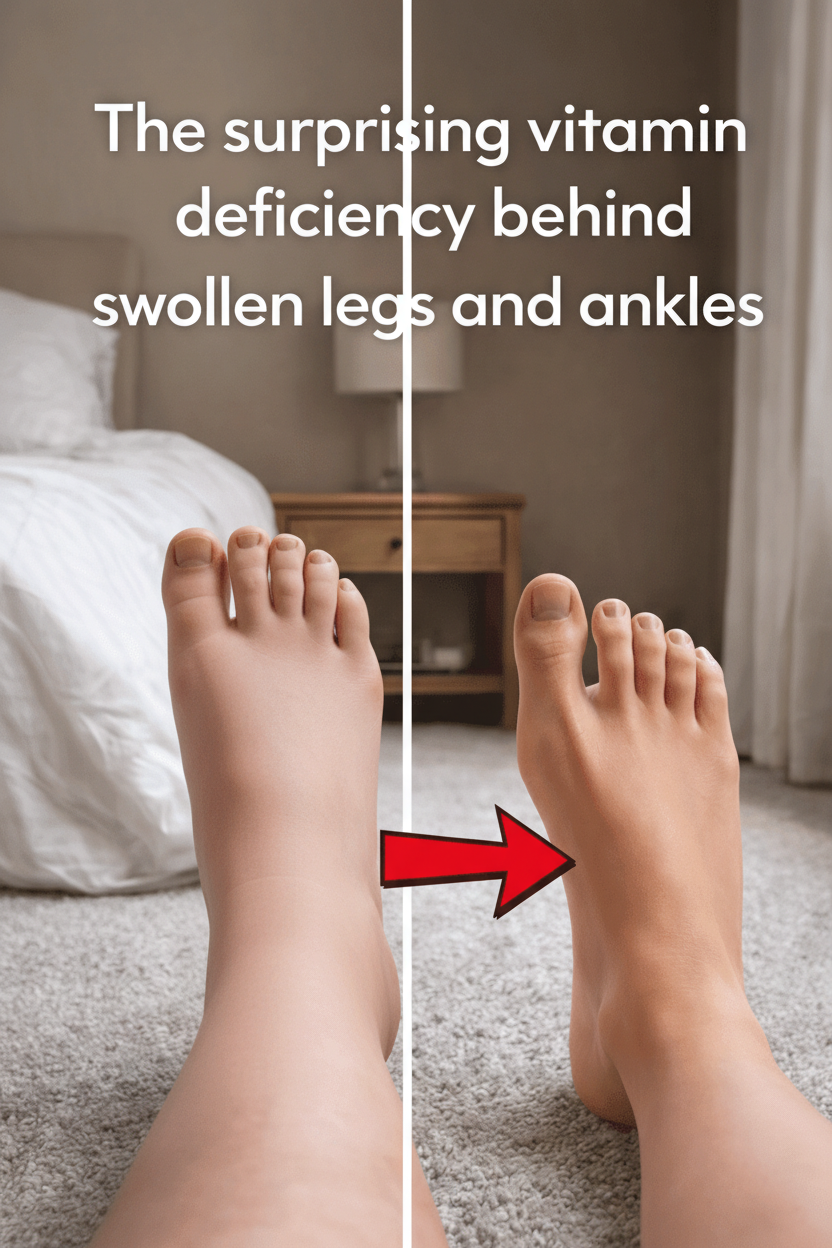
 Many individuals experience the discomfort of swollen legs, puffy ankles, and a persistent sensation of heaviness due to fluid retention, particularly those aged 40 to 60 and beyond. What often goes unrecognized is the potential role of a vitamin B1 (thiamine) deficiency. While the severe form of thiamine deficiency, known as beriberi, is uncommon in developed nations presently, a milder, subclinical, or marginal deficiency is surprisingly prevalent, especially among older adults. This subtle insufficiency can significantly impact circulation, disrupt fluid balance, and lead to edema in the lower limbs, frequently without presenting clear neurological symptoms. This article delves into the latest research (spanning 2020–2025) to explain the mechanisms behind this phenomenon, identify its subtle indicators, and outline safe, effective strategies for management.
Why Thiamine (Vitamin B1) Deficiency Can Cause or Worsen Swollen Legs
Thiamine plays a pivotal role in numerous bodily functions. When its levels are inadequate, several interconnected processes can contribute to or exacerbate swelling in the lower extremities:
Impaired Heart & Vascular Function
Thiamine is crucial for the metabolic pathways that generate energy within heart muscle cells, notably through the Krebs cycle. Insufficient thiamine levels reduce the heart’s pumping efficiency, leading to a diminished cardiac output. Consequently, blood can accumulate in the veins, causing fluid to leak out into surrounding tissues, manifesting as edema. This effect is particularly noticeable in the lower limbs due to the influence of gravity.
Reduced Venous Return & Lymphatic Drainage
Adequate thiamine is vital for maintaining the healthy tone of smooth muscles found in blood vessels and lymphatic channels. A deficiency can weaken these muscles, impairing their ability to effectively pump fluid back towards the heart. This reduced efficiency in venous return and lymphatic drainage results in fluid pooling and subsequent swelling, particularly in the legs and ankles.
Mild Peripheral Neuropathy
Early stages of nerve involvement, or peripheral neuropathy, can cause subtle weakness in the calf muscles. These muscles are essential for the ‘muscle pump’ action, which aids in pushing blood upwards against gravity. When this mechanism is compromised due to thiamine deficiency, it contributes to increased fluid retention and swelling in the lower legs.
Most Common Modern Risk Groups for Thiamine Deficiency
While severe beriberi is rare, certain demographics are more susceptible to marginal thiamine deficiency:
- Adults over 60: As we age, the body’s ability to absorb thiamine from the diet naturally decreases.
- Individuals with Chronic Alcohol Use: Even moderate alcohol consumption can interfere with thiamine absorption and increase its excretion.
- Long-term Diuretic Users: Medications like furosemide (Lasix) can deplete water-soluble B vitamins, including thiamine, from the body.
- Those on High-Carb/Low-Nutrient Diets: Diets rich in refined grains and sugary foods demand more thiamine for metabolism but often provide very little of it.
- Diabetics: Individuals with diabetes may experience both poor thiamine absorption and an increased metabolic demand for this vitamin.
- People with Gastrointestinal Disorders: Conditions such as Crohn’s disease, celiac disease, or a history of gastric bypass surgery can impair nutrient absorption.
- Elderly Individuals on Restrictive Diets or with Poor Appetite: Nutritional intake may be insufficient, leading to deficiencies.
Typical “Silent” Signs of Marginal Thiamine Deficiency (Often Overlooked)
The symptoms of a marginal thiamine deficiency can be subtle and easily mistaken for other conditions. Pay attention to these common indicators:
- Heavy, Swollen, or Puffy Legs/Ankles: Often worsening by evening, particularly after prolonged standing or sitting.
- Persistent Fatigue: A feeling of profound ‘heaviness’ rather than simple sleepiness.
- Mild Calf Cramps or Restless Legs: Especially noticeable at night.
- Reduced Exercise Tolerance: Legs may tire quickly during physical activity.
- Brain Fog or Mild Irritability: Cognitive and mood changes can be present.
- Heart Palpitations or Rapid Pulse: Occurring with minimal exertion, typically in more advanced cases of deficiency.
It’s crucial to remember that these symptoms overlap with various other health issues, including venous insufficiency, heart failure, kidney problems, or low magnesium levels. Therefore, professional medical evaluation and testing are essential for an accurate diagnosis.
How Much Thiamine Do You Actually Need, Especially After 50?
Understanding the recommended intake and therapeutic ranges for thiamine is important, particularly as nutritional needs evolve with age.
RDA (Recommended Dietary Allowance)
- Women 50+: 1.1 mg/day
- Men 50+: 1.2 mg/day
Therapeutic/Supportive Range (As Used in Studies for Deficiency-Related Edema & Fatigue)
For addressing symptoms linked to marginal deficiency, studies often utilize higher dosages:
- 50–100 mg/day: Frequently administered as thiamine HCl or benfotiamine (a fat-soluble form), typically for a duration of 4–12 weeks.
- Higher Doses (100–300 mg): May be used for short periods in clinical settings for individuals with symptomatic deficiency.
Best Food Sources (Aim for Daily Intake)
Incorporating thiamine-rich foods into your daily diet is a natural way to support healthy levels:
- Pork (lean): One of the richest natural sources.
- Whole Grains: Such as oats, brown rice, and quinoa.
- Legumes: Including lentils and black beans.
- Seeds & Nuts: Sunflower seeds and macadamia nuts are good options.
- Fortified Cereals & Nutritional Yeast: Excellent sources for supplementation through diet.
Realistic Expectations & Timeline If Marginal Deficiency Is Contributing
If thiamine supplementation is initiated to address a marginal deficiency contributing to your symptoms, here’s a general timeline for potential improvements:
- Days 3–7: Many individuals report a noticeable reduction in the ‘heavy’ sensation in their legs and decreased evening swelling.
- Weeks 2–4: Legs may feel lighter upon waking, accompanied by improved energy levels and fewer nocturnal cramps.
- Weeks 4–12: Expect sustained reduction in fluid retention and enhanced tolerance for walking and physical activity.
What Thiamine Supplementation Does NOT Do
While beneficial for thiamine deficiency, it’s vital to have realistic expectations:
- Does Not Cure: Advanced venous insufficiency, lymphedema, severe heart failure, kidney disease, or deep vein thrombosis (DVT). These conditions require specific medical interventions.
- Does Not Replace: Prescribed treatments such as compression stockings, diuretics, or other physician-recommended therapies.
- Does Not Work Quickly for Severe Edema: Cases of severe or acute edema demand urgent medical attention and are unlikely to resolve rapidly with thiamine supplementation alone.
Safety Notes & Who Should Be Cautious
Thiamine is generally considered very safe due to its water-soluble nature; any excess is typically excreted through urine.
Rare Risks:
- High-Dose Thiamine: Doses exceeding 300 mg/day can, in rare instances, trigger mild allergic reactions such as a rash or itching.
- Kidney Failure: If you have kidney failure, high doses of thiamine should only be taken under strict medical supervision, although it is generally still considered safe.
Bottom Line
Vitamin B1 (thiamine) deficiency stands as one of the most frequently overlooked factors contributing to the sensation of heavy, swollen legs and compromised circulation, especially among older adults. This is particularly relevant for those whose diets lack sufficient whole grains and legumes, who consume moderate to high levels of alcohol, or who use diuretics long-term. If you’re experiencing heavy, swollen, or restless legs by evening, and your physician has already ruled out more serious vascular, cardiac, or renal conditions, consider discussing a whole-blood thiamine level test (which is more accurate than a serum test) with your doctor. Alternatively, with medical approval, you might trial a daily supplement of 50–100 mg of thiamine for 4–8 weeks, alongside increasing your dietary intake of thiamine-rich foods. Many individuals report experiencing lighter, more comfortable legs within a few weeks, highlighting the significant impact of this often-underestimated nutrient.