 By admin
 Beyond the Obvious: 14 Subtle Cancer Signs Women Often Miss – Why Early Detection is Key
It’s common for women to attribute everyday bodily shifts to benign factors like stress, the natural aging process, or hormonal fluctuations. Many tend to disregard subtle physical signals, assuming they are harmless or merely transient. However, these quiet changes can sometimes be your body’s critical way of signaling that something requires attention. By the conclusion of this article, you will be equipped to recognize the small yet significant indicators often missed by many—and learn a straightforward practice that can aid in earlier detection.
Why Minor Body Changes Deserve Your Attention
Our bodies are constantly communicating with us. Aspects like skin condition, nail health, digestive patterns, and even energy levels can provide insights into our internal state. While most of these signals are benign, there are instances where they may point to a deeper issue that warrants investigation. Research consistently highlighted by prominent organizations such as the American Cancer Society and the World Health Organization emphasizes the profound importance of identifying unusual changes early on. Cultivating awareness doesn’t mean succumbing to fear; rather, it empowers you to stay informed and proactive about your own health. And here’s a crucial insight:
Many potential warning signs are visible or easily noticeable, often long before individuals consider consulting a healthcare professional. Let’s delve into some of these subtle clues that women frequently overlook.
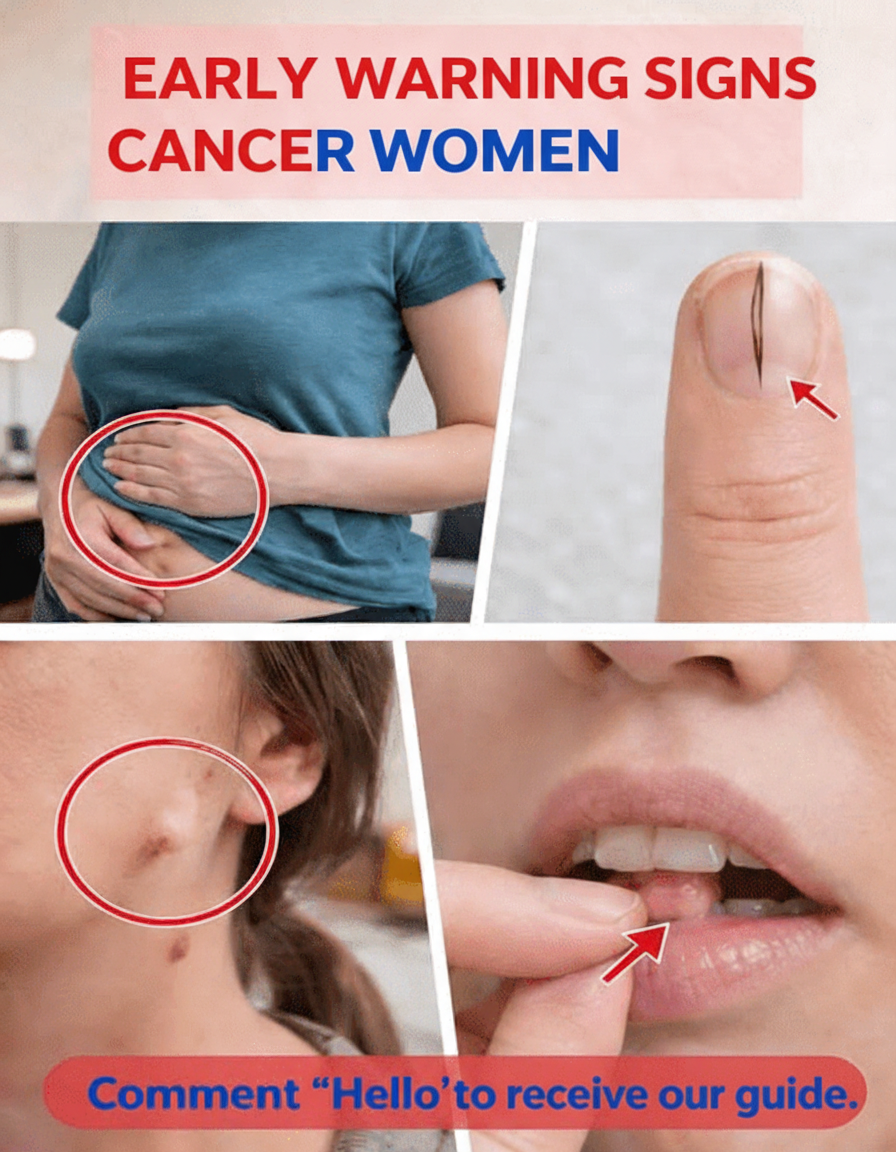
1. Persistent Bloating That Feels Different
Occasional bloating is a common experience, often linked to specific meals. Nevertheless, if you experience bloating that:
- Occurs almost every day
- Feels distinctly unusual compared to your typical digestion
- Is accompanied by pelvic discomfort
it warrants closer examination. Should this bloating persist for several weeks rather than resolving within a few hours, it is highly advisable to discuss it with a healthcare provider.
2. Unusual Nail Changes
Your nails can offer surprising insights into your overall health. For example, the sudden appearance of a dark vertical line or an unexpected color change without any prior injury could be significant. Potential indicators to observe include:
- Dark streaks that emerge without explanation
- Nails separating from the nail bed
- Unusual thickening or discoloration
While many nail alterations are benign, any persistent or concerning changes should be professionally evaluated.
3. A New Lump or Thickening Beneath the Skin
The majority of lumps discovered are non-cancerous. Still, it is prudent to monitor any new lump that:
- Continues to grow
- Feels firm or deviates from your normal tissue texture
- Does not disappear after several weeks
Common areas where new lumps might appear include:
- Breast tissue
- Neck
- Underarms
- Groin
Regular self-examinations help individuals become familiar with what feels normal for their body.
4. Mouth Sores That Don’t Heal
Small mouth ulcers can develop due to stress or minor irritation. However, if a sore in your mouth:
- Persists for longer than two to three weeks
- Bleeds easily
- Feels unusually thick
it may necessitate a professional assessment. Dental professionals frequently detect such changes during routine check-ups.
5. Unexplained Weight Loss
Body weight naturally fluctuates. Yet, experiencing significant weight loss without any intentional changes to your diet or activity levels could indicate that your body is processing energy differently. This doesn’t automatically signify a serious condition, but it is a notable change that merits attention.
6. Changes in Skin Moles or Spots
Skin alterations are among the most visible signals your body can provide. Dermatologists often advise monitoring for the ABCDE pattern:
- A – Asymmetry: one half appears different from the other
- B – Border: edges seem irregular, blurred, or ragged
- C – Color: uneven shades of brown, black, tan, or even red, white, or blue
- D – Diameter: larger than a pencil eraser (about 6mm), though smaller melanomas can occur
- E – Evolving: changes in shape, size, color, or elevation, or any new symptom like bleeding, itching, or crusting over time
Consistent self-skin checks can significantly aid in spotting these changes earlier.
7. Unusual Fatigue That Doesn’t Improve With Rest
Feeling tired after a demanding week is perfectly normal. However, if you experience fatigue that:
- Persists for weeks on end
- Interferes with your daily activities
- Does not improve adequately with sleep or rest
it may be a clear indication that your body requires medical attention.
8. Difficulty Swallowing
Occasional discomfort when swallowing can occur during throat infections. Nevertheless, persistent difficulty swallowing (dysphagia) or a persistent sensation that food is getting stuck should never be ignored. This symptom warrants a medical consultation, particularly if it continues for several weeks.
9. Changes in Bathroom Habits
Individual digestive habits vary considerably. However, sudden, long-lasting alterations in your bowel or bladder routines can signal an internal shift. Be watchful for:
- Ongoing constipation or diarrhea
- Blood in your stool
- A persistently narrow stool shape
These signs can have numerous causes, but any persistent symptoms should be medically evaluated.
10. Persistent Cough or Hoarseness
A cough following a cold typically resolves within a couple of weeks. But if a cough or hoarseness lasts longer than three weeks, it is prudent to consult a healthcare professional.
11. Frequent Unexplained Bruising
Bruises that appear after bumps or minor injuries are normal. However, bruises that emerge without any clear cause or occur with unusual frequency may indicate that your