 By admin
Have you ever reached for that familiar brown bottle of hydrogen peroxide, typically tucked away in your medicine cabinet, only to use it for the same old cut or scrape? Many people limit this common household item to basic first aid, completely overlooking its incredible versatility in daily life. From maintaining a sparkling clean home to supporting various hygiene routines, hydrogen peroxide offers a myriad of practical applications that extend far beyond minor wound care.
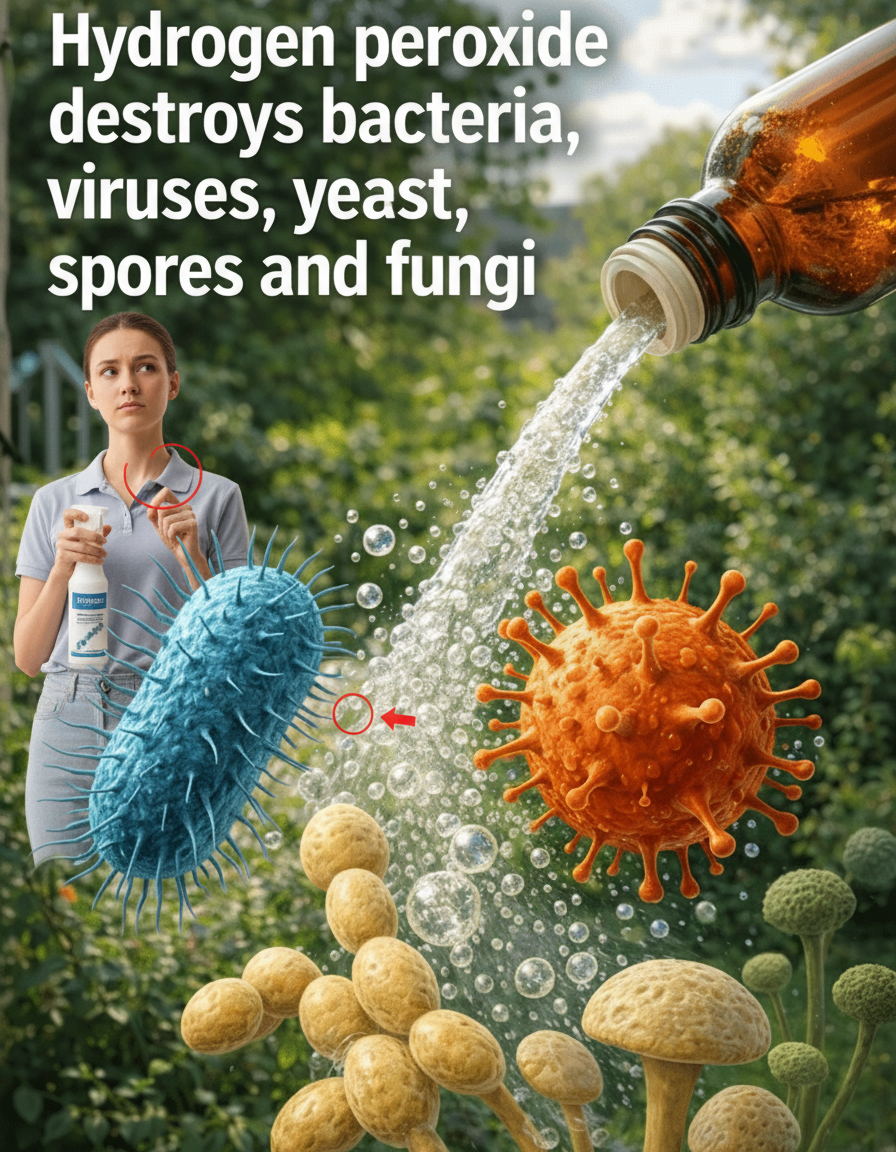
The unfortunate reality is that most individuals never uncover these practical uses, often resorting to harsher chemical cleaners or more expensive alternatives that might not always deliver the same benefits. But here’s the encouraging news: extensive research demonstrates that hydrogen peroxide acts as a potent, broad-spectrum antimicrobial agent. When utilized correctly, it effectively reduces a wide range of microorganisms, including bacteria, viruses, fungi, and even resilient spores on various surfaces. Studies consistently highlight its efficacy without contributing to microbial resistance over time. And the best part? You likely already have this powerful solution at home, typically in the standard 3% concentration.
In this comprehensive guide, we’ll delve into safe, everyday methods to seamlessly integrate hydrogen peroxide into your routine. We’ll also provide crucial insights into appropriate concentrations and common pitfalls to avoid. Make sure to read until the very end for a complete list of 50 practical uses, detailing which strength works best for each application and the mistakes that could lead to serious issues.
Why Hydrogen Peroxide is a Must-Have in Your Household
Hydrogen peroxide (H₂O₂) is a remarkably gentle yet powerful compound for numerous tasks because it naturally breaks down into just water and oxygen. At common household concentrations (typically 3%), it’s readily available and recognized by authoritative sources like the CDC as a stable and effective disinfectant for inanimate surfaces. What truly sets it apart? Its unique ability to combat microbes by oxidizing their cellular components, effectively disrupting vital proteins and enzymes.
Scientific research, including reviews on its vaporized form used in hospital environments, consistently confirms its broad-spectrum activity against a wide array of bacteria, viruses, fungi, yeasts, and spores. This means hydrogen peroxide can significantly contribute to maintaining cleaner, healthier environments without the same concerns often associated with some synthetic cleaning agents. However, it’s crucial to remember that its effectiveness hinges on proper usage, correct dilution, and adequate contact time.
Safe Everyday Hygiene Applications
For personal hygiene purposes, it’s imperative to stick to the standard 3% hydrogen peroxide solution unless specific instructions indicate otherwise. Here are several ways many people safely incorporate it into their routines:
- Oral Rinse Support: For occasional use, dilute 3% hydrogen peroxide with an equal amount of water. Swish gently for about 30 seconds, then spit it out – never swallow. This can help freshen breath and promote overall oral cleanliness.
- Toothbrush Sanitization: To minimize microbial buildup, soak the head of your toothbrush in a 3% solution for a few minutes once a week.
- Minor Skin Cleansing: After thoroughly washing with soap and water, you can gently dab a 3% solution on small, intact skin areas for an added layer of cleanliness. However, avoid applying it to open wounds if irritation occurs.
But its utility doesn’t stop there… many individuals overlook its significant role in routine home hygiene.
The Ultimate Household Cleaning Powerhouse
Hydrogen peroxide truly excels as a non-toxic and eco-friendly cleaning agent throughout your home. For most tasks, you can use the 3% solution either straight or diluted.
- Kitchen Surface Sanitizer: Spray a 3% solution directly onto cutting boards, countertops, or sinks. Allow it to sit for 5–10 minutes to help break down organic residues before wiping clean.
- Bathroom Refresh and Mold Fighter: Apply hydrogen peroxide to grout lines, tiles, or shower curtains to effectively tackle stubborn mold and mildew spots. Its characteristic bubbling action helps lift grime and stains.
- Produce Wash: For cleaner produce, dilute hydrogen peroxide to a 1–3% concentration in water. Soak fruits and vegetables for approximately one minute, then rinse them thoroughly under running water. This supports a healthier eating experience.
Quick Comparison: Hydrogen Peroxide vs. Common Cleaners
Understanding the differences between cleaning agents can help you make informed choices:
- Hydrogen Peroxide (3%): Breaks down into water and oxygen, leaving no harsh residues. Highly effective on a broad spectrum of microbes, making it an excellent eco-friendly cleaner.
- Bleach: Possesses a strong odor and requires adequate ventilation. Can cause damage to fabrics and surfaces if not used carefully.
- Vinegar: A natural option, but its antimicrobial action is generally less broad-spectrum compared to hydrogen peroxide.
Pro Tip: Always test hydrogen peroxide on a small, inconspicuous area first to prevent potential discoloration on delicate fabrics or surfaces.
More Surprising Applications You Might Not Know
Beyond its basic uses, consider these clever hacks for added convenience and effectiveness:
- Laundry Brightener and Odor Eliminator: Add one cup of 3% hydrogen peroxide to your whites during the wash cycle. This helps achieve brighter results and effectively reduces stubborn odors.
- Streak-Free Mirror and Glass Cleaner: Create your own effective glass cleaner by mixing equal parts 3% hydrogen peroxide and water in a spray bottle. Spray onto surfaces and wipe with a clean cloth for a sparkling, streak-free shine.
- Plant Care Helper: Heavily dilute hydrogen peroxide (approximately 1 teaspoon per cup of water) and mist it onto plant leaves. This can help discourage the growth of fungal issues and promote healthier foliage.
And this is where its powerful oxidizing action proves beneficial in truly unexpected ways.
Actionable Step-by-Step Tips for Safe and Effective Use
Ready to start incorporating hydrogen peroxide into your routine today? Follow these simple guidelines for optimal results and safety:
- General Surface Disinfection: Spray a 3% solution directly onto the target area. Allow it to bubble and sit for at least 5 minutes to ensure proper disinfection. Wipe thoroughly with a clean cloth. For most non-food contact surfaces, rinsing is not necessary.
- Targeted Mold Spot Treatment: Apply a 3% hydrogen peroxide solution directly to the affected moldy area. Let it penetrate and work for at least 10 minutes before scrubbing or wiping away.
50 Practical Uses for Hydrogen Peroxide (Full List Coming Soon!)
Stay tuned for the complete, detailed list of 50 innovative uses for hydrogen peroxide, including specific concentrations and crucial safety advice for each application. This comprehensive resource will empower you to fully leverage the power of this humble yet mighty household staple.