 By admin
 For countless individuals worldwide, the aroma of a freshly brewed cup of coffee signals the start of a new day. Many of us reach for that first mug not just for its invigorating kick, but as a cherished daily ritual. Yet, beyond its well-known ability to banish morning grogginess, what if your consistent coffee habit offers more profound advantages for your long-term health?
In an age where health trends come and go, the perception of coffee often swings between being a detrimental vice and a miraculous elixir. The good news for coffee aficionados is that extensive research consistently suggests that incorporating moderate coffee consumption into a balanced lifestyle can be genuinely beneficial. These advantages are often attributed to coffee’s rich array of natural compounds, including potent antioxidants and various bioactive elements.
But there’s a simple adjustment you can make to your coffee routine that might even amplify these potential health perks. Stick with us to discover how!
Why Coffee Deserves a Place in Your Healthy Lifestyle
More than just a stimulating beverage, coffee stands out as one of the primary dietary sources of antioxidants for many people. These vital compounds play a crucial role in neutralizing oxidative stress, a natural process resulting from daily life, physical activity, and environmental factors. Large-scale reviews consistently indicate that a moderate intake – typically defined as 3 to 5 cups per day – is linked to positive health outcomes for most adults, without significant adverse effects. And the benefits don’t stop there…
Key Health Benefits of Coffee Backed by Scientific Research
Numerous scientific investigations, encompassing meta-analyses and extensive cohort studies from reputable institutions like the Harvard T.H. Chan School of Public Health, the Cleveland Clinic, and the Mayo Clinic, have highlighted consistent health patterns among regular coffee drinkers. Let’s delve into some of the most compelling findings:
Cardiovascular Health and Stroke Prevention
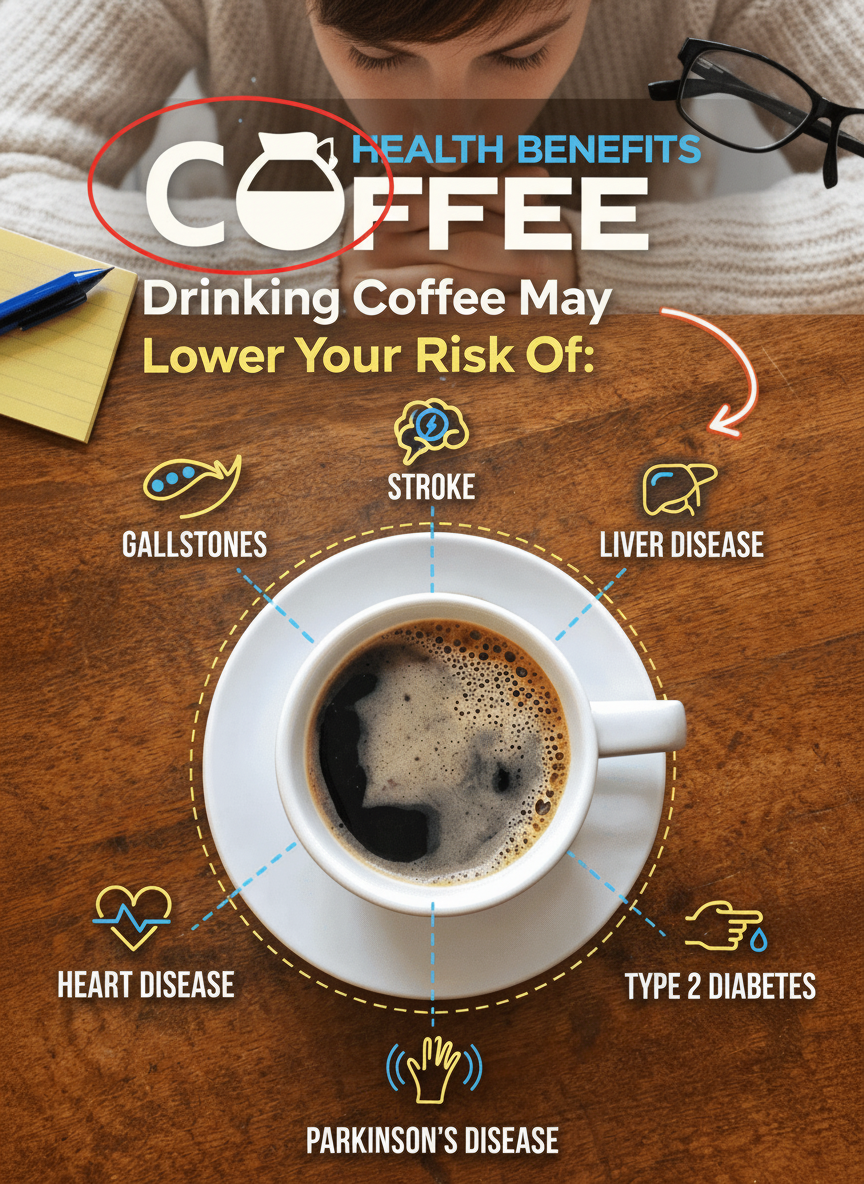
Moderate coffee consumption has been associated with a reduced risk of developing heart disease and experiencing strokes. Certain analyses reveal significant reductions in cardiovascular-related concerns. Interestingly, some research suggests that morning coffee intake might offer additional advantages, potentially by aligning more effectively with the body’s natural circadian rhythms and minimizing sleep disruption.
Reduced Risk of Type 2 Diabetes
One of the most robust links observed in research is between coffee consumption and a lower likelihood of developing type 2 diabetes. Long-term studies indicate that habitual coffee drinkers may exhibit improved insulin sensitivity and more efficient glucose metabolism, thanks to compounds like polyphenols and minerals such as magnesium found in coffee.
Enhanced Liver Function
Regular coffee intake correlates positively with improved liver health and a decreased risk for various liver conditions, including chronic liver disease. This protective effect is likely linked to coffee’s anti-inflammatory properties and its supportive role in maintaining optimal liver enzyme levels.
Neurological Support and Cognitive Health
Emerging evidence points to associations between coffee consumption and a lower risk of Parkinson’s disease, and potentially other neurodegenerative conditions. While caffeine influences dopamine pathways, other compounds within coffee are believed to contribute to overall neuroprotection and brain health.
Gallstone Prevention
Some studies suggest that coffee may help in reducing the formation of gallstones. This benefit is thought to arise from coffee’s effects on bile flow and its influence on cholesterol processing within the body.
Here’s a concise summary of common findings from studies on moderate coffee consumption (around 3–5 cups daily):
- Up to a 15–30% lower risk for specific health outcomes in large-scale reviews.
- Benefits often observed with both caffeinated and decaffeinated coffee varieties.
- The most significant positive effects are typically seen at moderate intake levels; there’s no need for excessive consumption.
Understanding Coffee’s Mechanisms: How It Works
The health-promoting aspects of coffee are not mystical; they are rooted in its complex biochemical composition:
- Antioxidants: Compounds like chlorogenic acids are powerful antioxidants that actively combat inflammation and oxidative stress throughout the body.
- Caffeine: Beyond its well-known stimulant effect, caffeine enhances alertness, positively influences mood, and can even improve physical performance.
- Other Bioactive Compounds: Coffee contains a spectrum of other compounds that play roles in metabolism, support a healthy gut microbiome, and influence various cellular processes critical for well-being.
Recent comprehensive reviews reaffirm that moderate coffee intake generally appears more beneficial than detrimental for overall health, with population studies even suggesting potential links to longer, healthier lives.
Practical Tips to Maximize Your Coffee’s Health Benefits
Ready to responsibly integrate these potential advantages into your daily routine? Here’s a straightforward guide to help you make the most of your coffee habit:
- Prioritize Moderation: Aim for 3 to 5 standard 8-ounce cups per day. This range is consistently linked to the strongest health benefits in research without exceeding the generally safe caffeine limit of up to 400 mg daily for most adults.
- Mind Your Timing: Consider enjoying your coffee primarily in the morning, ideally before noon. Some studies indicate that this pattern may correlate with better cardiovascular outcomes and, crucially, helps preserve optimal sleep quality.
- Keep It Pure: Opt for black coffee whenever possible, or use minimal, healthy additions. Excessive sugar, artificial sweeteners, or high-fat creamers can diminish the inherent health benefits of coffee by adding unnecessary calories and potentially unhealthy ingredients.
By adopting these simple practices, you can continue to savor your beloved brew while potentially supporting your health in meaningful ways. Enjoy your next cup, knowing it might be doing more good than you think!