 By admin
 Many individuals aspire to achieve softer, rosier, and more vibrant lips, often seeking natural home remedies for a swift transformation. While various natural methods are widely promoted to lighten dark lips and impart a “pink, plump, rosy” appearance rapidly, it’s crucial to approach such claims with a critical perspective. This comprehensive guide delves into popular remedies, including the frequently cited sugar-honey-lime scrub and turmeric-milk mask, alongside essential daily habits like proper hydration and sun protection. While certain practices—such as gentle exfoliation, consistent moisturizing, and diligent sun protection—are indeed beneficial and align with dermatologist recommendations, the promise of significant lip lightening in merely three days is largely unsubstantiated. Genuine improvements from natural approaches are typically subtle and unfold gradually over several weeks to months, with outcomes varying based on the underlying cause of lip darkening.
Understanding the Root Causes of Dark Lips
The appearance of darkened lips is frequently a result of hyperpigmentation, which signifies an overproduction of melanin in the skin. Several factors can trigger this increased melanin production, leading to a less vibrant lip tone:
- Sun Exposure: Prolonged and unprotected exposure to ultraviolet (UV) rays is a primary culprit, as UV light stimulates melanin synthesis, leading to darker lips.
- Smoking: The nicotine and other harmful toxins present in cigarettes can significantly contribute to lip pigmentation, often resulting in a bluish-black tint.
- Dehydration & Dryness: Chronically dry or chapped lips can appear darker and less healthy due to lack of moisture.
- Lifestyle Habits: Frequent lip licking, excessive consumption of caffeine or tea, and certain lip products can contribute to staining or irritation, which in turn can lead to darkening.
- Underlying Health Factors: Hormonal fluctuations, allergic reactions, specific medications, or nutritional deficiencies (such as a lack of vitamin B12) can also play a role in lip discoloration.
Ultimately, addressing these underlying causes—for instance, by consistently using SPF lip protection and discontinuing smoking—proves far more effective for long-term improvement than relying solely on topical treatments or masks.
Effective and Safe Strategies for Lip Care
For those seeking to improve lip texture and prevent further darkening, several practices are widely supported by dermatological principles:
- Gentle Exfoliation: Regular, mild exfoliation can effectively remove dead skin cells, revealing smoother, softer lips. A homemade sugar-honey scrub, used sparingly (1-2 times per week at most), is a safe option. Over-exfoliation can cause irritation, so moderation is key.
- Consistent Hydration and Moisturization: Keeping your body well-hydrated by drinking ample water is fundamental for overall skin health, including your lips. Additionally, applying natural emollients like coconut oil, almond oil, or pure honey can significantly boost lip plumpness and diminish the appearance of darkness often accentuated by dryness. Noticeable improvements in lip texture can often be observed within a few days.
- Daily SPF Lip Balm: Sun protection is paramount. Integrating a lip balm with a high SPF (30+) into your daily routine is an indispensable preventive measure, as sun exposure is a leading cause of lip hyperpigmentation. Reapply frequently, especially after eating or drinking.
- Positive Lifestyle Adjustments: Making healthier choices such as quitting smoking, moderating caffeine intake, and adopting a balanced diet can genuinely contribute to a gradual reversal of lip darkening over an extended period.
- Natural Tints & Hydrators: Ingredients like beetroot juice or aloe vera can offer mild hydration and a subtle tint without posing significant risks.
Remedies: Overhyped Claims and Potential Risks
While many natural ingredients are celebrated for their potential benefits, some popular lip lightening remedies come with significant caveats or risks:
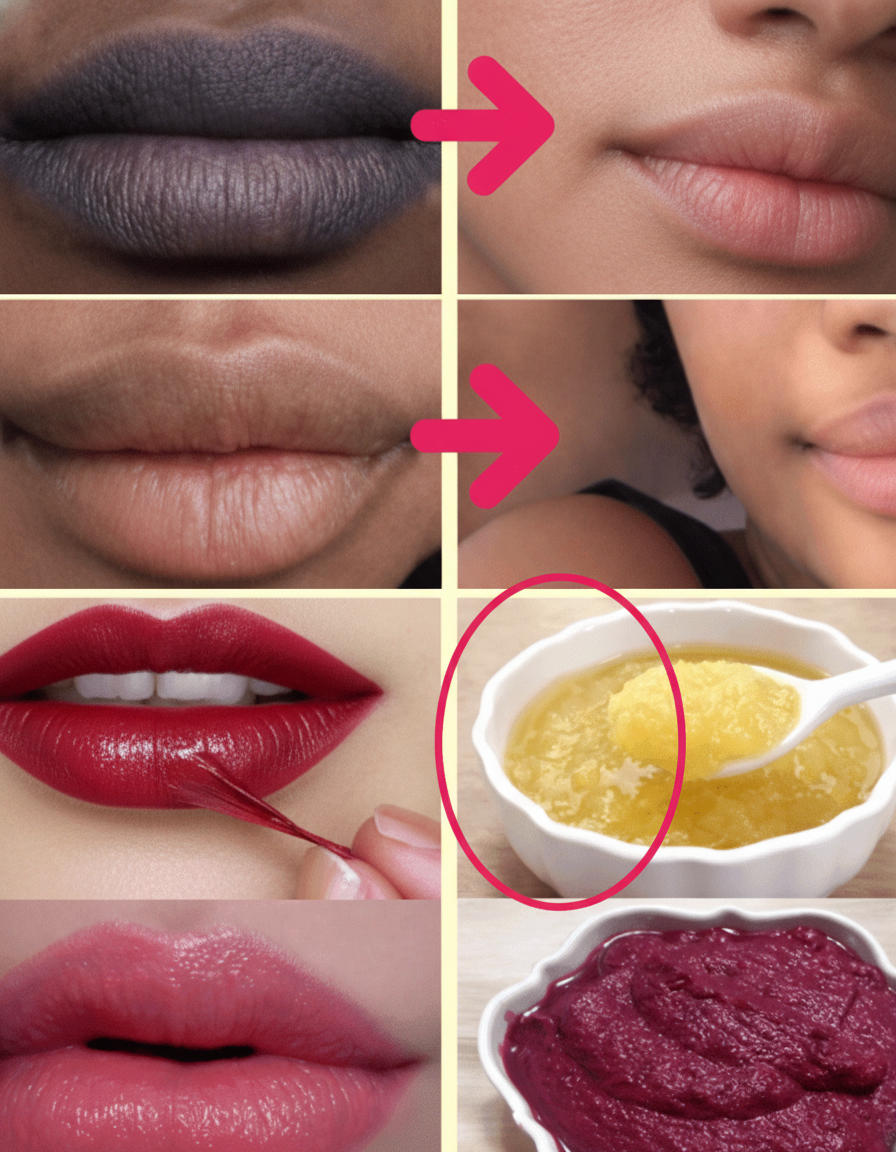
- Lime/Lemon Treatments: Although citric acid found in lemons and limes is theorized to offer mild exfoliation or inhibit melanin production, its highly acidic nature makes it particularly irritating for the delicate skin on the lips. Dermatologists frequently caution against direct application, as it can lead to severe dryness, chemical burns, redness, or even exacerbate hyperpigmentation, especially when followed by sun exposure (a condition known as phytophotodermatitis, a severe reaction). It is widely recommended to completely avoid applying citrus juices directly to the skin or lips.
- Turmeric-Milk Mask: Curcumin, the active compound in turmeric, has demonstrated promising anti-inflammatory and melanin-inhibiting properties in laboratory studies, suggesting a potential for gradual skin brightening. However, specific evidence regarding its efficacy for lip lightening is limited, and a common side effect is temporary yellow staining of the lips. The results are neither rapid nor guaranteed, and users should manage their expectations accordingly.
Setting Realistic Expectations for Lip Lightening
It’s vital to approach any lip lightening regimen with realistic expectations. Reputable sources, such as Healthline, indicate that even for remedies with some theoretical basis (like certain fruit acids), visible changes typically require 30 or more days of consistent application, and these improvements are often more pronounced in texture rather than a dramatic shift in color. The alluring promise of achieving “pink” lips in a mere three days lacks scientific backing and should be regarded as marketing hype. Personal anecdotes, especially those without verifiable sources, should not be taken as definitive proof of efficacy.
Safe, Evidence-Backed Recommendations for Healthier Lips
To genuinely enhance the health and appearance of your lips, focus on these dermatologist-approved and evidence-based practices:
- Daily SPF Protection: Consistently apply a high-quality lip balm containing SPF 30 or higher. Reapplication throughout the day, especially after eating or drinking, is crucial for optimal protection against sun-induced hyperpigmentation.
- Intense Moisturization: Regularly moisturize your lips using products rich in emollients like petrolatum, beeswax, shea butter, or humectants such as hyaluronic acid. These ingredients help lock in moisture, promoting softness and preventing dryness.
- Mild Exfoliation: Incorporate gentle exfoliation into your routine 1 to 2 times per week. This can be achieved with a soft, damp cloth or a homemade scrub, such as a honey-sugar mixture, to remove dead skin cells without causing irritation.
- Hydration and Protection: Ensure adequate water intake daily to keep your body and lips hydrated from within. Furthermore, protect your lips from harsh environmental elements and known irritants.
- Professional Consultation: If you experience persistent or concerning lip darkening, it is highly advisable to consult a dermatologist. A specialist can accurately diagnose underlying issues and recommend effective, clinically proven treatments, which may include topical agents like vitamin C or niacinamide, or advanced procedures such as laser therapy.
In summary, while many natural remedies are popularized, prioritizing fundamental practices like robust sun protection and consistent hydration forms the cornerstone of achieving real, safe progress in lip health. Remember, this information is intended for general guidance and does not constitute medical advice; always seek personalized recommendations from a qualified healthcare professional!
Share this valuable information with others: Facebook | Twitter | Pinterest | LinkedIn | VK | Reddit | Tumblr | Viadeo | Buffer | Pocket | WhatsApp | Viber | Email | Skype | Digg | MySpace | Blogger | Yahoo Mail | Telegram | Messenger | Gmail | Amazon | SMS