 By admin
 Beyond Pain Relief: Unlocking Aspirin’s Unexpected Skincare Secrets for Women
Often relegated to the back of our medicine cabinets, aspirin is primarily known for easing headaches and discomfort. Yet, for many women navigating common skin challenges like occasional blemishes, uneven tone, or minor irritations, this common pain reliever holds a surprising secret. Its close chemical cousin, salicylic acid, is a staple in modern skincare, prompting some to explore aspirin’s potential topical benefits. While the idea of using aspirin in beauty routines might seem unconventional, certain DIY applications have gained traction due to its connection to this well-known dermatological ingredient.
In this comprehensive guide, we’ll delve into several practical, at-home approaches involving aspirin that women frequently discuss, alongside critical safety considerations and the underlying reasons for their appeal. Stay with us until the end for a crucial reminder that ties all these insights together.
Why Aspirin Sparks Interest for Skin and Beauty Routines
The intrigue surrounding aspirin for skincare stems from its active ingredient, acetylsalicylic acid, which shares a structural kinship with salicylic acid. Salicylic acid, a well-regarded beta hydroxy acid (BHA), is celebrated in dermatology for its ability to gently exfoliate, helping to dissolve dead skin cells and unclog pores, leading to a clearer complexion. While aspirin itself isn’t formulated as a cosmetic product, its chemical similarity has inspired some women to experiment with plain, uncoated tablets for homemade topical applications.
It’s crucial to note that while some dermatological studies mention aspirin’s potential anti-inflammatory properties when applied topically in specific contexts, the evidence supporting these DIY methods remains largely anecdotal. Professional skincare products are rigorously tested for efficacy and safety, offering a more reliable approach. Therefore, these proposed ‘tricks’ are strictly for external, short-term use and do not imply medical claims or internal consumption.
Here’s the key: These discussions focus on external, short-term applications, distinctly separate from internal use or medical treatment claims.
Simple Aspirin Paste for Targeted Skin Support
One widely popular method involves creating a simple paste for direct application onto minor skin imperfections. Here’s how you might consider trying it:
- Carefully crush 2–3 uncoated aspirin tablets into a fine powder. A mortar and pestle or the back of a spoon against a clean surface works well.
- Gradually mix the powder with a tiny amount of warm water (begin with about ½ teaspoon) until it forms a smooth, spreadable paste.
- After thoroughly cleansing your face, gently apply a thin layer of the paste directly to the specific area you wish to address.
- Allow it to remain on the skin for 10–15 minutes.
- Rinse off gently with lukewarm water, then pat your skin dry.
- Follow up with your usual moisturizer to hydrate the treated area.
Users often report a noticeable reduction in temporary redness, attributed to its mild exfoliating action. Remember, a crucial first step is always to perform a patch test on a small, inconspicuous area like your inner arm, waiting 24 hours to monitor for any adverse reactions.
But wait, there’s even more versatility to explore…
Aspirin Blended with Hydrating Ingredients for a Rejuvenating Mask
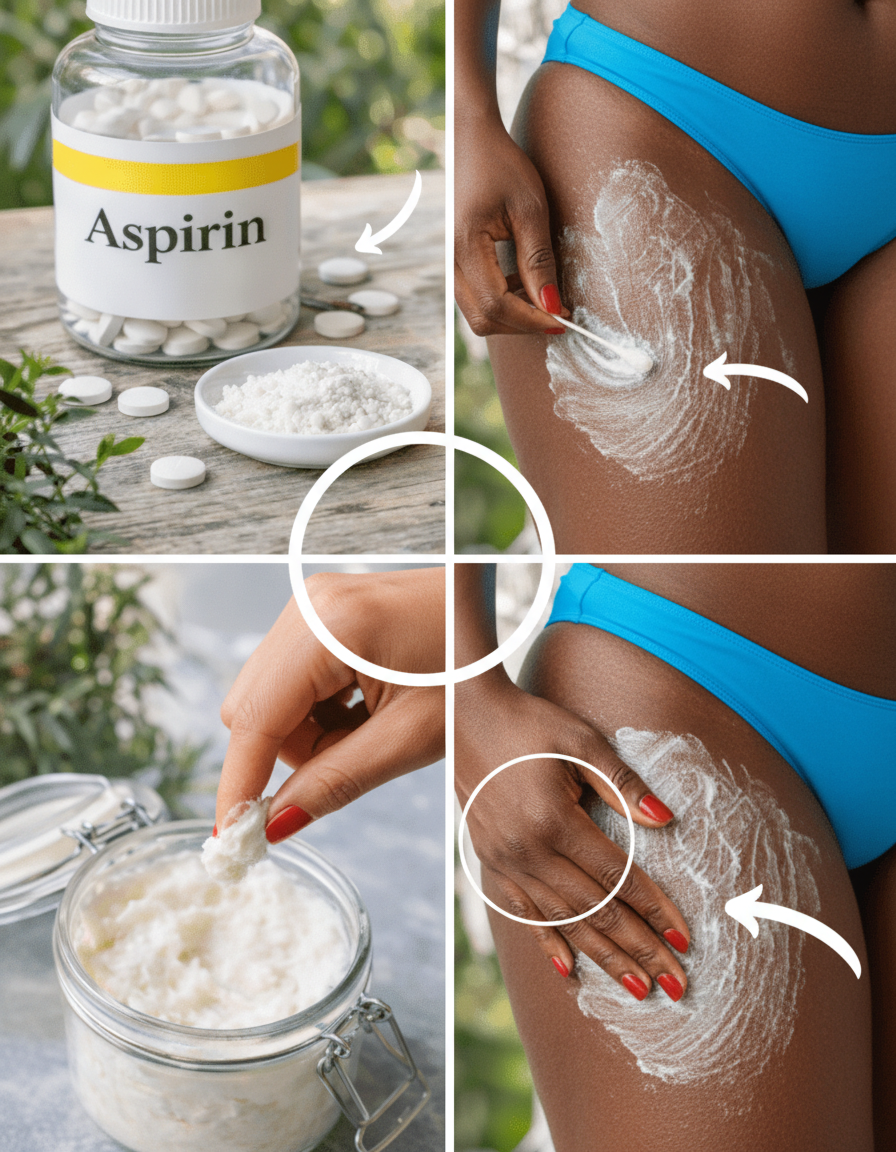
For a more expansive application, many women combine crushed aspirin with natural, moisturizing ingredients to craft a soothing face mask. Consider this variation:
- Pulverize 3–4 uncoated aspirin tablets into a fine powder.
- Combine the powder with 1 tablespoon of plain yogurt or honey. Yogurt contributes lactic acid for gentle brightening, while honey offers natural humectant properties, drawing moisture to the skin.
- Apply the mixture evenly to clean skin, taking care to avoid the delicate eye area.
- Relax for 10–15 minutes as the mask works.
- Rinse thoroughly.
This combination can provide a refreshing sensation and is particularly popular for occasional use on oily or combination skin types. While the derivatives of salicylic acid are known for their exfoliating benefits, the potency of homemade mixtures can be inconsistent. Always begin with minimal application and carefully observe your skin’s response.
Aspirin for Alleviating Minor Skin Irritation
Beyond treating specific spots, some individuals find topical aspirin pastes helpful for easing temporary discomfort from common issues like insect bites or mild sunburn redness. Here’s a quick application method:
- Crush a single aspirin tablet and mix it with just a drop of water or soothing aloe vera gel.
- Gently dab this mixture onto the affected area.
- Allow it to sit briefly before rinsing.
The immediate cooling effect, coupled with aspirin’s known properties, can offer temporary relief. While dermatologists acknowledge potential localized anti-inflammatory benefits, this method should never replace comprehensive after-sun care or professional medical attention for severe irritations.
Crucial Safety Guidelines for Topical Aspirin Use
While these aspirin-based ideas are widely discussed, prioritizing your skin’s safety is paramount before attempting any topical application:
- Always Conduct a Patch Test: Apply a minuscule amount of your prepared mixture to a discreet area, such as your inner forearm, and wait 24–48 hours to check for any signs of irritation, redness, or discomfort.
- Avoid Compromised Skin: Never apply aspirin to broken, highly sensitive, or excessively dry skin, as this can exacerbate irritation, stinging, or dryness.
- Check for Allergies: Refrain from use if you have known allergies to NSAIDs (Nonsteroidal Anti-inflammatory Drugs), aspirin, or salicylic acid.
- Consult Your Doctor if Pregnant or Breastfeeding: Women who are pregnant or breastfeeding should always seek medical advice before using any topical aspirin preparations.
- Limit Frequency: To prevent over-exfoliation or potential irritation, restrict topical aspirin applications to no more than once or twice a week.
- Discontinue Immediately if Irritation Occurs: Should you experience increased redness, burning, excessive peeling, or any other adverse reaction, stop using the product immediately and rinse your skin thoroughly.
Crucially, homemade topical aspirin preparations are not regulated like commercial skincare products, meaning their efficacy, safety, and potential risks are highly variable. For persistent skin concerns or before embarking on any new skincare regimen, especially one involving DIY methods, always consult a qualified dermatologist for personalized, professional guidance.
Exploring the unconventional uses of everyday items like aspirin for skincare can be intriguing, especially given its chemical relationship to beneficial ingredients like salicylic acid. While anecdotal reports highlight potential benefits for common skin concerns, it’s vital to approach these DIY methods with caution and a clear understanding of their limitations. The “surprising everyday tip” mentioned earlier is simply this: the most effective and safest route to addressing your skin concerns is often through professionally formulated products and, most importantly, personalized advice from a dermatologist.
Remember, your skin is unique, and what works for one person may not work for another. Always prioritize safety, listen to your skin, and when in doubt, seek expert guidance to maintain a healthy and radiant complexion.