 By admin
 That familiar pins-and-needles sensation, often described as your hand or foot “falling asleep,” is a common yet perplexing experience. While usually harmless and temporary, this numbness and tingling, medically known as paresthesia, can sometimes signal a deeper issue. Understanding its root causes is the first step towards finding relief and preventing more serious complications.
Common Causes Behind Numbness and Tingling
Paresthesia can stem from various factors, ranging from benign to more concerning conditions. Here are the primary culprits:
-
1. Nerve Compression (Temporary)
Often, prolonged pressure on a nerve, such as sleeping on your arm or sitting with crossed legs, temporarily disrupts nerve signals. This results in the “pins and needles” sensation, which typically resolves quickly once the pressure is relieved and blood flow returns.
-
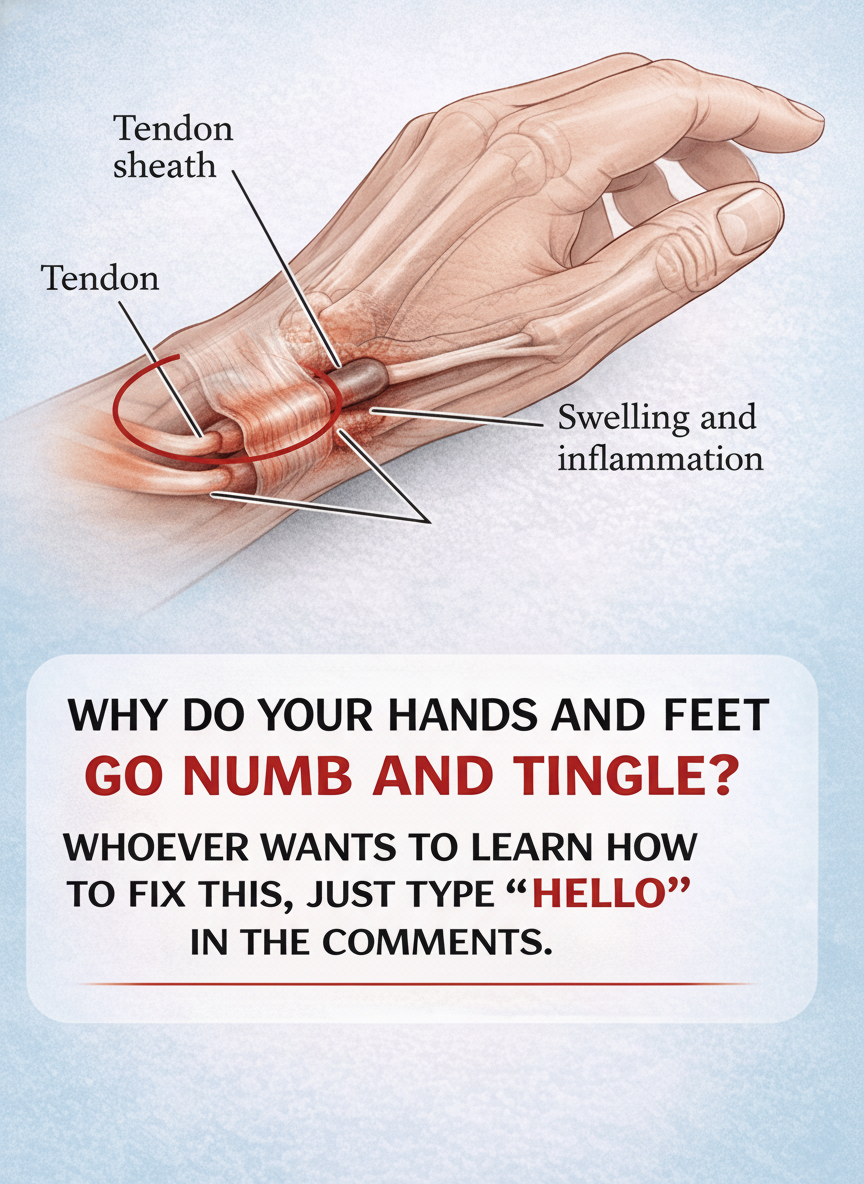
2. Carpal Tunnel Syndrome
Frequent numbness and tingling in the hands and fingers, particularly the thumb, index, middle, and half of the ring finger, can indicate carpal tunnel syndrome. This condition arises when the median nerve, running through the wrist, becomes compressed, often due to repetitive hand movements or sustained wrist positions common in computer use.
-
3. Diabetes and Peripheral Neuropathy
Uncontrolled high blood sugar levels can progressively damage nerves throughout the body, a condition called peripheral neuropathy. This is a leading cause of chronic numbness and tingling, especially in the feet and hands, and is a serious complication for many with diabetes.
-
4. Vitamin Deficiencies
A lack of vital nutrients, particularly B vitamins (especially B12), can impair nerve function and lead to paresthesia. This is more common in older adults or those with specific dietary restrictions, as B12 is crucial for nerve health.
-
5. Poor Circulation
Insufficient blood flow to the extremities can deprive nerves of oxygen and nutrients, causing numbness and tingling. Conditions like Raynaud’s disease, which affects blood vessels, are examples where restricted circulation triggers these symptoms.
Natural Solutions and Prevention Strategies
While some causes require medical intervention, many instances of numbness and tingling can be managed or prevented with simple lifestyle adjustments. Consider these natural approaches to improve nerve health and circulation:
-
1. Optimize Your Posture
Avoid prolonged static positions. Regularly change how you sit or stand to relieve pressure on nerves. Good ergonomic practices, especially during work, can significantly reduce nerve compression.
-
2. Regular Movement and Stretching
Incorporate gentle stretches and massage for your hands, feet, and wrists into your daily routine. This promotes healthy blood flow and can alleviate tension that might compress nerves.
-
3. Embrace Nerve-Healthy Nutrition
Prioritize foods rich in B vitamins (leafy greens, whole grains, lean meats) and magnesium (nuts, seeds, dark chocolate). A balanced diet supports overall nerve health and can prevent deficiency-related issues.
-
4. Apply Warm Compresses
For circulation-related numbness, a warm (not hot) compress can help dilate blood vessels and improve blood flow to the affected areas. Always test the temperature carefully to avoid burns.
-
5. Stay Physically Active
Regular exercise, such as walking, swimming, or cycling, is vital. It boosts circulation, helps manage blood sugar levels (crucial for diabetes prevention), and strengthens the nervous system.
Take Action for Lasting Comfort
Don’t let persistent numbness and tingling disrupt your life. By understanding the potential causes and adopting proactive lifestyle changes, you can often find relief. If symptoms are frequent, severe, or accompanied by other concerns, always consult a healthcare professional. Early diagnosis and treatment are key to preventing further complications and ensuring your comfort.