 By admin
 Beyond Cholesterol: Unmasking Lipoprotein(a) and Its Impact on Heart Health
Heart disease remains a leading cause of mortality worldwide, impacting countless lives annually. A concerning reality for many is the statistic that a significant portion of individuals experiencing heart attacks—up to 75%—had cholesterol levels that were considered within the normal range during their regular health screenings. This often leaves patients and healthcare providers puzzled, questioning why cardiovascular problems emerge despite seemingly healthy blood lipid profiles.
The explanation frequently lies with a less-publicized but critical player: Lipoprotein(a), commonly known as Lp(a). This unique protein-carrying particle circulating in the bloodstream has been increasingly recognized by scientific research as a significant, independent risk factor for heightened cardiovascular events. Unlike standard LDL cholesterol, elevated Lp(a) levels can aggressively contribute to the formation of arterial plaque and systemic inflammation, even when other traditional markers appear well-managed. However, there’s a proactive side to this challenge: integrating specific lifestyle strategies and incorporating nutrient-rich foods can play a vital role in fostering robust arterial health and optimal circulation.
Understanding Lp(a): The Genetic Link to Cardiovascular Risk
At its core, Lipoprotein(a) (Lp(a)) is a distinct type of lipoprotein, bearing structural similarities to low-density lipoprotein (LDL) cholesterol. What sets Lp(a) apart is the presence of an additional protein component called apolipoprotein(a), which imparts a unique “stickiness.” This characteristic makes Lp(a) particularly adept at initiating and exacerbating the buildup of fatty deposits, known as plaque, within arterial walls. Reputable medical bodies, including the American Heart Association, have highlighted how elevated Lp(a) concentrations significantly raise the propensity for atherosclerosis, a condition where arteries narrow and harden, impeding vital blood flow.
A crucial differentiator for Lp(a) is its strong genetic predisposition. Unlike traditional LDL cholesterol, which often responds to dietary modifications and regular exercise, Lp(a) levels are predominantly inherited and, consequently, are less amenable to conventional lifestyle interventions. This genetic component clarifies why some individuals, despite meticulously managing their diet, exercise, blood pressure, and even LDL cholesterol, may still confront an unexpectedly elevated risk of cardiovascular disease.
Furthermore, Lp(a) is not merely a structural contributor to plaque. It actively participates in accelerating inflammatory processes within blood vessels and enhancing blood clotting tendencies. Extensive population-based research consistently demonstrates that high Lp(a) levels independently correlate with an increased incidence of heart attacks and strokes, irrespective of other established risk markers. While genetic makeup is unchangeable, embracing a holistic approach to heart health—emphasizing nutrient-dense foods and a supportive lifestyle—remains paramount for fostering robust circulation and optimal vascular function.
However, the journey to a healthier heart doesn’t end there. Scientific inquiry continues to reveal specific nutrients and compounds that offer promising supportive roles in maintaining arterial wellness.
Nutritional Allies for Optimal Arterial Health
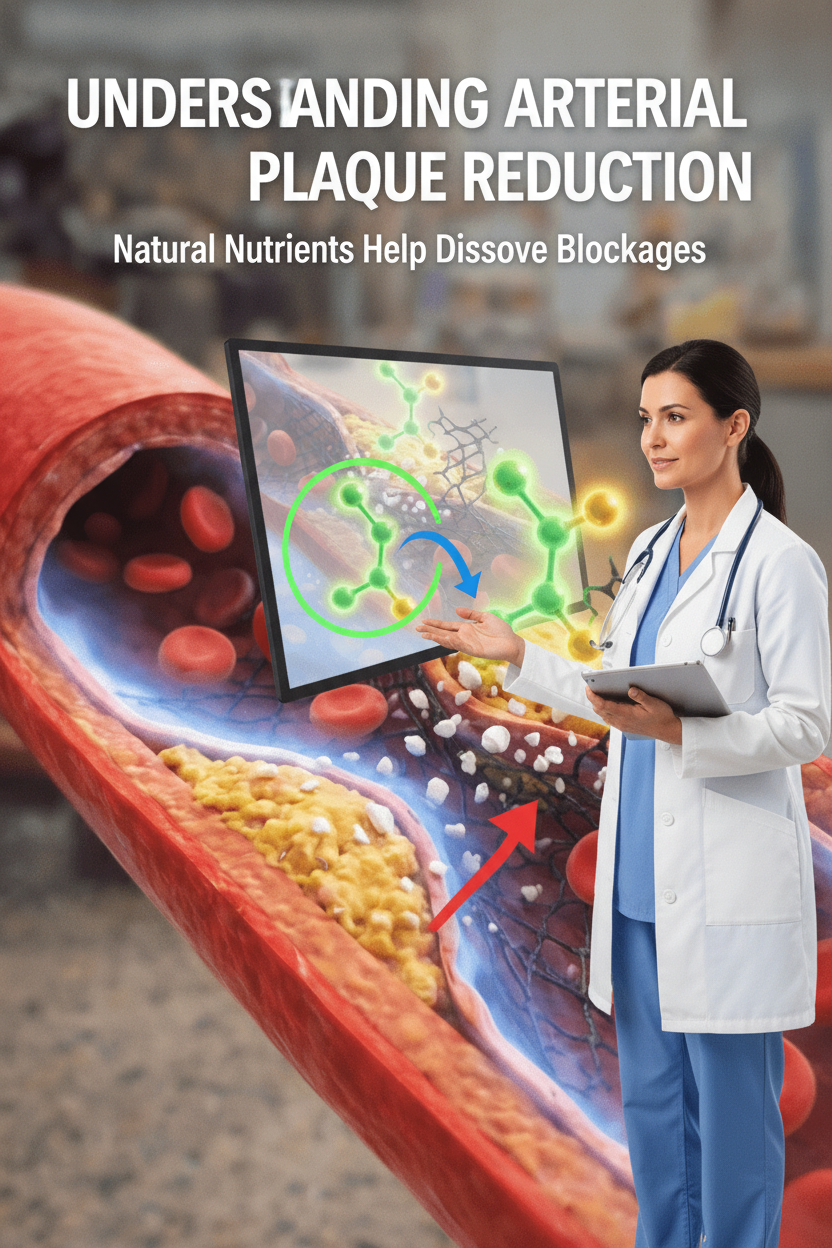
While genetics play a significant role in Lp(a) levels, dietary choices can profoundly influence arterial health and mitigate some associated risks. Scientific investigations have identified several natural compounds and essential nutrients that may assist the body in maintaining proper calcium distribution, combating oxidative stress, and promoting vascular elasticity. These are not standalone cures but potent complements to a comprehensive, heart-healthy regimen.
Here are six key nutrients frequently highlighted in research for their potential to bolster cardiovascular and arterial function:
- Vitamin K2 (particularly MK-7 form): Abundant in certain fermented foods such as natto and specific cheeses, Vitamin K2 is crucial for activating proteins that direct calcium away from delicate artery walls and into bones, where it belongs. Observational studies consistently link higher dietary intake of K2 to reduced arterial calcification over time, promoting more flexible blood vessels.
- Beetroot-Derived Nitrates: Beets are natural powerhouses of nitrates, which the body efficiently converts into nitric oxide. Nitric oxide is a vital molecule that signals blood vessels to relax and widen, thereby enhancing blood flow and supporting healthy, open circulation throughout the body.
- Pomegranate Compounds: Rich in potent antioxidants like punicalagins, pomegranates have been extensively studied for their protective effects. These compounds help shield LDL cholesterol particles from oxidative damage—a key step in plaque formation—and support the health and function of the endothelium, the inner lining of blood vessels.
- Vitamin C: This indispensable vitamin is a cornerstone for robust arterial health. It is essential for the synthesis of collagen, a structural protein that provides strength and integrity to artery walls. Furthermore, Vitamin C acts as a powerful antioxidant, neutralizing harmful free radicals that contribute to cellular stress and inflammation.
- Magnesium: Involved in over 300 biochemical reactions, magnesium is a critical mineral for cardiovascular well-being. It plays a pivotal role in regulating blood pressure and maintaining proper vascular tone, directly contributing to overall circulatory efficiency and reducing arterial stiffness.
- Omega-3 Fatty Acids: Found in fatty fish (like salmon and mackerel) and plant-based sources (such as flaxseeds and walnuts), omega-3s are renowned for their anti-inflammatory properties. They help to modulate the body’s inflammatory response and can contribute to maintaining healthy lipid profiles, supporting overall heart function.
It’s important to recognize that these nutrients often work synergistically. For instance, Vitamin K2 and Vitamin D (obtained from sunlight exposure or fortified foods) collaborate effectively in calcium metabolism. Integrating a spectrum of these nutrient-rich foods ensures a comprehensive approach to long-term vascular wellness, where their combined effects are often greater than the sum of their parts.
Practical Steps for a Heart-Smart Diet
Empowering your heart health through nutrition doesn’t require a radical overhaul or expensive supplements. The most effective approach begins with integrating whole, nutrient-dense foods into your daily routine. Here’s a simple, actionable guide to naturally boost your intake of these vital nutrients:
- Kickstart Your Day with a Green Smoothie: Blend a generous handful of spinach (rich in magnesium and Vitamin C), a cup of berries (packed with antioxidants and Vitamin C), and a scoop of flaxseeds (for omega-3s). Add beetroot powder for an extra nitrate boost.
- Embrace Fermented Foods: Regularly include fermented options like hard cheeses, sauerkraut, or the Japanese fermented soybean dish, natto, to increase your Vitamin K2 intake.
- Prioritize Oily Fish: Aim for two to three servings per week of fatty fish like salmon, mackerel, or sardines, excellent sources of beneficial omega-3 fatty acids.
- Snack on Pomegranate: Enjoy fresh pomegranate seeds or a glass of unsweetened pomegranate juice (in moderation due to sugar content) to harness its powerful antioxidant compounds.
- Boost Your Magnesium: Incorporate more leafy greens (kale, Swiss chard), nuts (almonds, cashews), seeds (pumpkin, chia), and whole grains into your meals.
- Don’t Forget Vitamin C: Ensure daily intake of citrus fruits (oranges, grapefruits), bell peppers, broccoli, and other Vitamin C-rich produce.
- Get Creative with Beets: Add roasted beets to salads, blend them into soups, or enjoy a fresh beet juice shot to enhance nitric oxide production.
Remember, consistency is key. By making conscious, incremental changes to your diet, you can significantly contribute to maintaining robust arterial health and proactively managing your cardiovascular well-being, even in the face of genetic predispositions like elevated Lp(a).