 By admin
 Beyond a Wet Pillow: What Persistent Nighttime Drooling Could Mean for Your Health
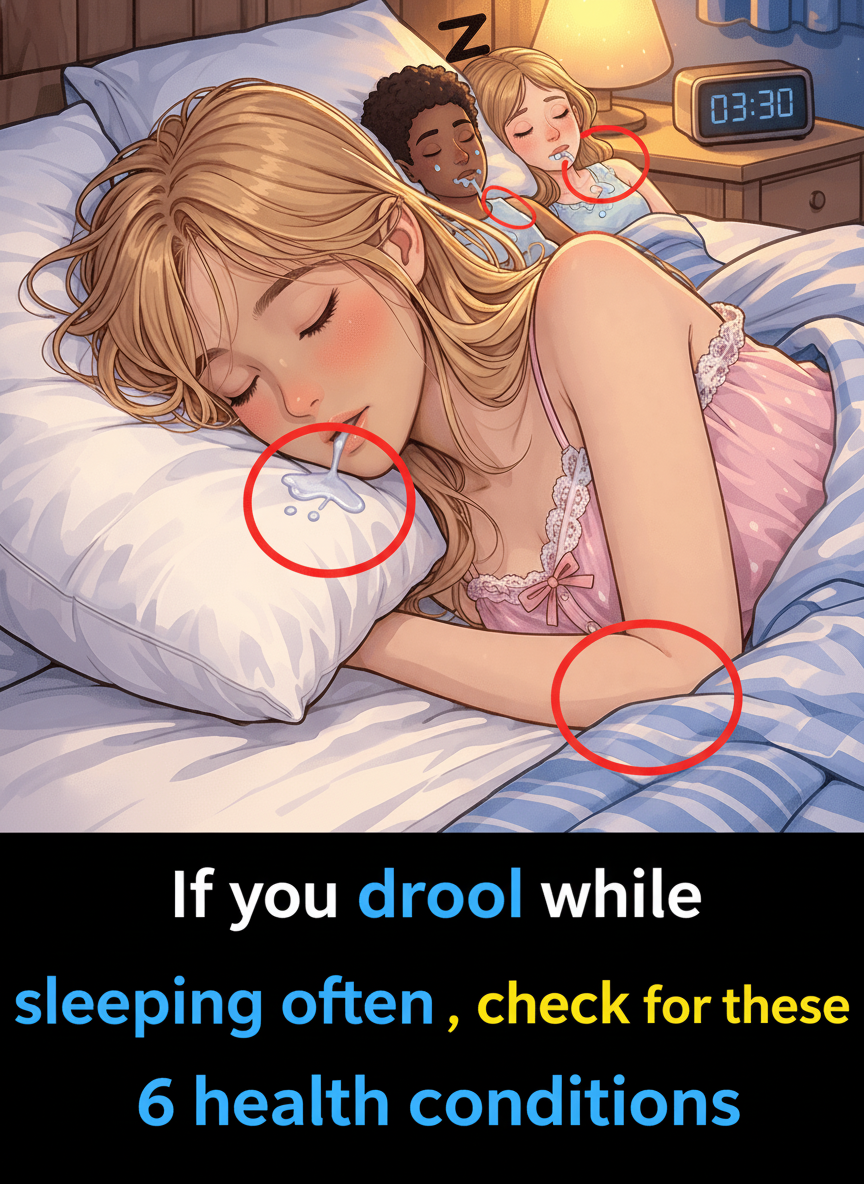
Waking up to a damp pillow from drooling can be more than just an embarrassing annoyance. Especially for adults over 40, frequent nocturnal drooling often signals underlying health issues that deserve attention. This seemingly minor problem can point to disrupted breathing, poor sleep quality, or other subtle changes impacting overall well-being. If you find yourself consistently drooling in your sleep, it’s a cue to explore potential causes with a healthcare provider.
The Silent Signal: Why Drooling Deserves Your Attention
Nocturnal drooling, or sialorrhea, typically occurs when mouth breathing takes over during sleep, allowing saliva to escape rather than being swallowed naturally. As we age, muscle tone changes and shifts in breathing habits can make this pattern more pronounced, leading to interrupted rest and morning discomfort. While not a diagnosis on its own, persistent drooling is often linked by sleep experts to conditions affecting the airway or swallowing mechanisms. Changing pillows or sleeping positions might offer temporary relief, but addressing the root cause is key to lasting improvement.
1. Obstructive Sleep Apnea (OSA)
One of the most common culprits, OSA, involves repeated narrowing or blocking of the airways during sleep. This forces the body to breathe through the mouth, leading to saliva pooling and escaping. Studies indicate a higher prevalence in adults over 40, especially those who snore loudly or experience daytime fatigue. Robert, a 62-year-old, found that his worsening drooling alongside loud snoring led to a sleep study diagnosing mild apnea. Simple interventions helped him breathe easier and reduced the drooling significantly. If drooling accompanies gasping or chronic tiredness, a professional sleep evaluation is highly recommended.
2. Gastroesophageal Reflux Disease (GERD)
GERD, or acid reflux, can trigger excessive saliva production at night as the body attempts to neutralize rising stomach acid. When lying down, this increased saliva can easily lead to drooling. Midlife adults often notice this alongside heartburn or a sour taste upon waking. Sarah, 55, a teacher, found relief from both reflux and drooling by elevating her bed and avoiding late meals, following her doctor’s advice. Managing GERD can often alleviate related nighttime drooling.
3. Parkinson’s Disease
Neurological conditions like Parkinson’s disease can affect swallowing reflexes and muscle control, allowing saliva to accumulate and escape during sleep, particularly in deeper rest phases. This symptom often emerges gradually in adults over 50. David, a 68-year-old, managed his drooling and improved overall comfort by addressing early Parkinson’s signs through guided medical care. Persistent drooling, especially when accompanied by tremors or stiffness, warrants a discussion with a neurologist.
4. Chronic Sinusitis or Allergies
Blocked nasal passages due to chronic sinusitis or seasonal allergies force individuals to breathe through their mouths at night. This open-mouth breathing makes it easier for saliva to escape, resulting in drooling. Millions of adults over 40 experience congestion that can turn a restful night into a soggy one. Maria, 48, noticed a significant reduction in her drooling and improved breathing after incorporating nightly saline rinses and allergy support, as advised by her doctor. Treating the underlying inflammation often resolves the drooling.
5. Bell’s Palsy or Facial Nerve Concerns
Conditions causing temporary or long-term facial muscle weakness, such as Bell’s palsy, can impair the ability to fully close the lips during sleep. This can lead to drooling, often on the affected side of the face. Such issues can appear suddenly in midlife and typically improve with appropriate medical management. Any sudden onset of facial weakness accompanied by drooling should be promptly evaluated by a doctor.
Don’t Ignore the Signal
While occasional drooling might be harmless, persistent nighttime drooling, particularly if new or worsening, is a signal that your body might be sending. It’s not merely an aesthetic concern but a potential indicator of underlying health conditions ranging from sleep disorders to neurological issues. Consulting a healthcare provider can help identify the cause and lead to effective strategies for better sleep and improved overall health.