 By admin
 Beyond 60: Unmasking 7 Overlooked Lacunar Stroke Warning Signs in Older Adults
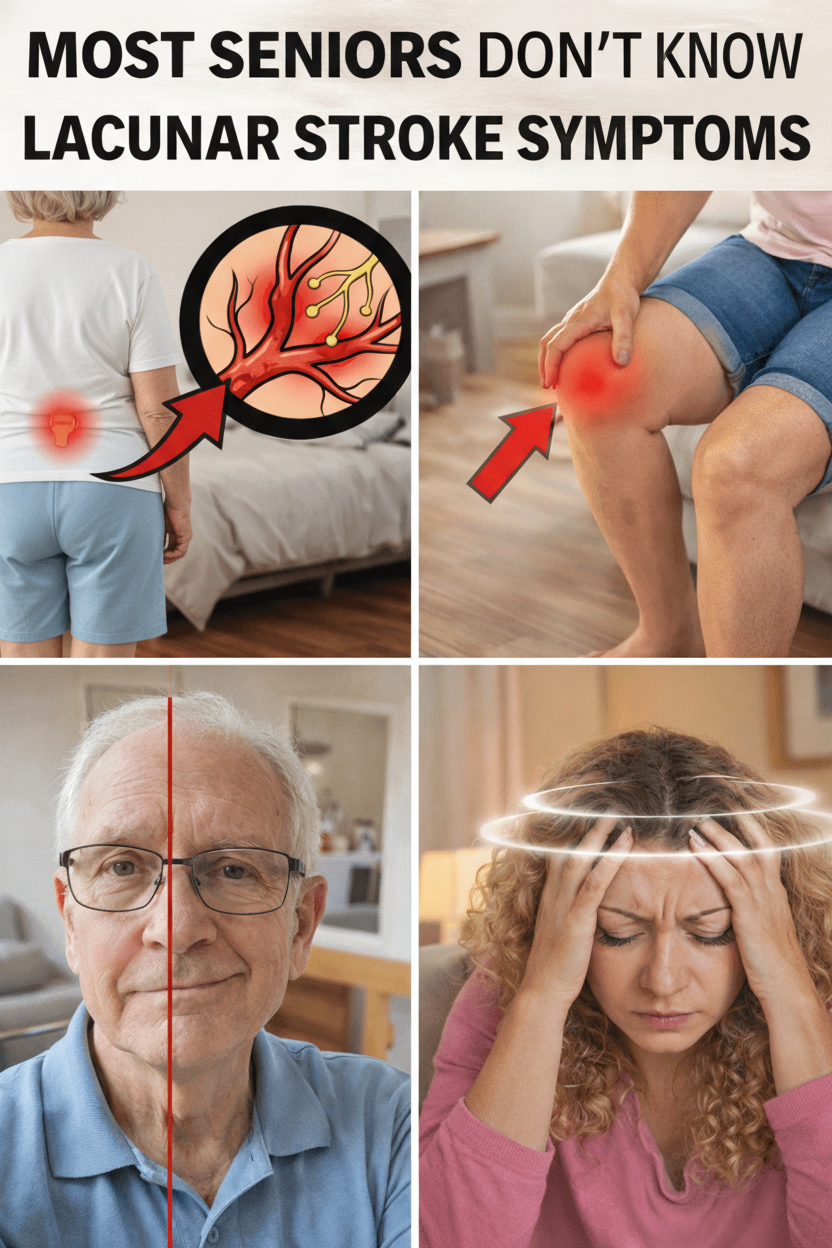
As we age, distinguishing between normal bodily changes and potential health concerns can become increasingly challenging. For many individuals over 60, fleeting moments of weakness, transient dizziness, or unexplained numbness are often brushed aside as mere aspects of getting older. However, these subtle, seemingly minor symptoms could, in fact, be critical indicators of a lacunar stroke. Overlooking them can tragically delay the urgent medical attention required. This comprehensive guide will reveal seven crucial warning signs that are frequently missed, including a particular symptom (sign number four) that often catches even health-conscious seniors by surprise.
Understanding Lacunar Stroke in Simple Terms
A lacunar stroke occurs when a blockage affects one of the diminutive, deep-seated arteries within the brain. These vital vessels are responsible for supplying blood to regions crucial for motor function, sensory perception, coordination, and fundamental motor control. In stark contrast to larger strokes, which typically manifest with dramatic and unmistakable symptoms, lacunar strokes often present with far milder changes. This very subtlety is precisely why they are so commonly overlooked and misdiagnosed. Neurological research indicates that these “small vessel strokes” constitute a substantial proportion of ischemic strokes observed in older populations. Key risk factors include uncontrolled high blood pressure, diabetes, and a history of smoking. The critical takeaway here is that initial symptoms may appear insignificant, leading many individuals and their families to tragically underestimate the gravity of the situation.
Why Adults Over 60 Face Higher Risk
With advancing age, our blood vessels naturally undergo a reduction in elasticity. Pre-existing chronic conditions like hypertension (high blood pressure) and elevated cholesterol levels can exacerbate this process, leading to a further narrowing of the delicate arteries deep within the brain. While this increased vulnerability doesn’t imply that a stroke is inevitable, it profoundly underscores the paramount importance of heightened awareness. Recognizing warning signs at the earliest possible stage directly facilitates prompt medical evaluation, and this timely intervention is absolutely critical for safeguarding precious brain function. Let’s now delve into the seven specific warning signs that are frequently overlooked.
1. Sudden Weakness on One Side of the Body
While weakness on one side of the body is a widely recognized indicator of stroke, its manifestation in a lacunar stroke can be remarkably subtle. You might observe:
- A noticeable clumsiness in one hand, making tasks like buttoning a shirt unusually difficult.
- A slight dragging sensation in one leg while walking.
- Unexpected difficulty lifting or manipulating a cup or eating utensil.
Given that lacunar strokes impact smaller, deeper brain regions, this weakness might be confined to just the face, an arm, or a leg, rather than affecting an entire side of the body. Crucially, any mild weakness that emerges suddenly, regardless of its severity, warrants immediate medical attention and should never be dismissed.
2. Numbness or Tingling That Feels Different
It’s common for older adults to experience occasional tingling or numbness, often attributed to nerve irritation or sustained pressure from posture. Nevertheless, numbness linked to a stroke typically manifests abruptly and is localized to one side of the body. Be particularly vigilant if:
- One side of your face suddenly feels unusually numb or “dead.”
- A single arm becomes numb without any apparent pressure, injury, or clear reason.
- Sensory changes develop rapidly, within a span of mere minutes.
The key distinction here isn’t just the sensation itself, but its sudden and unexplained arrival. Should you experience any new, distinct, and inexplicable sensory changes, it demands immediate medical investigation.
3. Mild Slurred Speech or Word Finding Trouble
This symptom often presents with extreme subtlety. Lacunar strokes possess the capacity to impair speech clarity without leading to a complete disruption of language abilities. You might perceive:
- Words that sound faintly slurred or indistinct.
- An unexpected struggle to articulate certain sounds or syllables.
- Difficulty recalling simple, everyday words during conversation.
Often, family members or close acquaintances are the first to notice these changes, even before the individual experiencing them becomes fully aware. Many tend to attribute such alterations to simple fatigue. However, any speech changes that emerge suddenly are not a typical part of the aging process and warrant immediate concern.
4. Sudden Problems with Balance or Coordination
This particular sign is arguably the most frequently overlooked. A general feeling of unsteadiness can be a common complaint in later life. However, if issues with balance or coordination emerge abruptly and without any obvious explanation, they could indicate critical changes in the brain regions responsible for these functions. Be alert for:
- Significant difficulty standing steadily without noticeable swaying.
- A sudden onset of clumsiness while walking, leading to stumbling or tripping.
- Unexpected trouble coordinating hand movements for routine tasks.
Here’s the crucial and often surprising aspect: balance problems are commonly attributed to factors like dehydration, inner ear disturbances, or insufficient sleep. While these can indeed be valid causes at times, a sudden and unexplained loss of balance absolutely necessitates immediate medical evaluation. This is precisely why this fourth warning sign so often catches individuals, and even healthcare professionals, off guard.
5. Subtle Facial Drooping
While television dramas often depict facial drooping as a dramatic and obvious symptom, in reality, it can be incredibly subtle and barely perceptible. You might notice:
- One corner of the mouth appearing to sag slightly lower than the other.
- An asymmetrical or uneven smile.
- A slight difficulty in fully closing one eye.
A quick self-check in a mirror can be insightful. Gently smile and observe if both sides of your face move symmetrically. Even minor, sudden differences are significant and should not be ignored.
6. Brief Episodes of Confusion
Brief, transient episodes of confusion or a sudden struggle with concentration can indeed be associated with small vessel strokes. You might encounter:
- Unexpected difficulty in following the thread of a conversation.
- A sudden inability to complete familiar, routine tasks that were previously effortless.
- An abrupt onset of “mental fog” or a general haziness in thinking.
While numerous factors can contribute to such cognitive changes, their sudden appearance warrants investigation.