 By admin
 Beyond 60: Is Your Sedentary Lifestyle Silently Weakening Your Leg Muscles?
Imagine a peaceful afternoon spent relaxing, perhaps engrossed in a book or a favorite television show. Hours drift by unnoticed. Yet, when you finally attempt to stand, a noticeable stiffness, slowness, or even an uncharacteristic weakness in your legs might greet you. This experience is remarkably common among older adults, often leading to a quiet frustration over movements that once felt effortless.
The reality is, extended periods of inactivity, particularly prolonged sitting, can subtly diminish muscle engagement in the legs over time. This can make everyday tasks like navigating stairs, enjoying a walk outdoors, or simply rising from a chair feel significantly more challenging. The encouraging news, however, is that medical professionals highlight several straightforward daily practices that can significantly bolster leg strength and maintain vital mobility. We’ll explore these, including a key insight that might change your perspective on everyday movement.
The Silent Threat: How Prolonged Sitting Impacts Leg Strength in Seniors
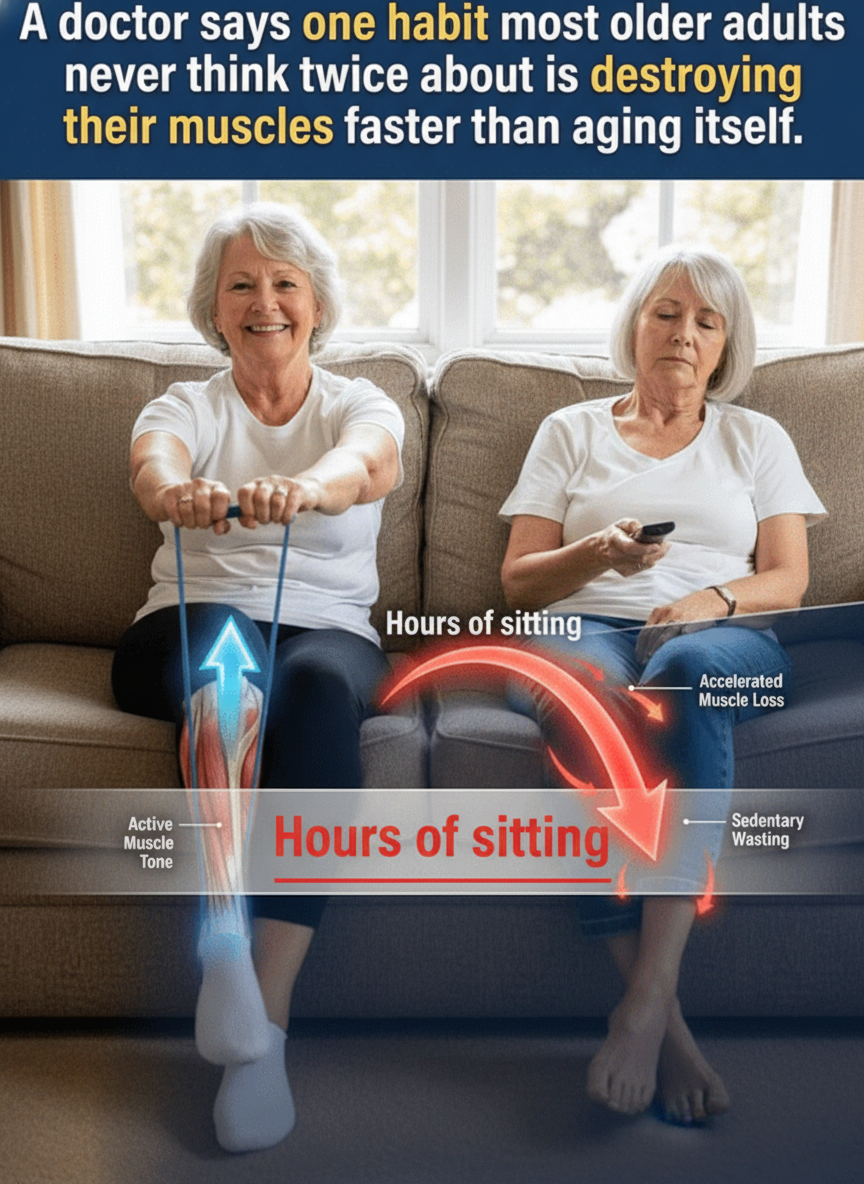
Our bodies are fundamentally engineered for activity. Muscles thrive and maintain their strength through regular use and engagement. Conversely, when individuals spend extensive periods seated, the muscles in their lower limbs remain largely dormant. This sustained inactivity can progressively lead to muscle weakening, a concern amplified in older adults where natural age-related muscle loss (sarcopenia) is already a factor.
Insights from research featured in prominent aging and physical activity journals consistently link prolonged sedentary behavior to diminished muscle activation and increased mobility difficulties among seniors. During extended bouts of sitting, several physiological shifts occur:
- Leg muscles experience significantly reduced stimulation.
- Blood flow and circulation throughout the lower body tend to decelerate.
- Muscle fibers become less active and responsive.
- Joints, particularly in the hips and knees, can develop stiffness from lack of movement.
What often goes unacknowledged is the insidious nature of this habit. Many perceive long sitting as a period of rest, unaware that their body is gradually adapting to a state of reduced physical demand. This underscores a crucial point: even modest adjustments to daily movement patterns can yield substantial benefits for muscle health and overall mobility.
Unmasking the Everyday Habits That Contribute to Leg Weakness
For most older adults, prolonged sitting isn’t a deliberate choice to neglect their physical well-being; rather, it’s an ingrained part of daily life. Common scenarios include:
- Engaging in long television viewing sessions.
- Reading for extended periods without taking breaks to stand.
- Using smartphones or tablets while remaining seated for hours.
- Relaxing in overly comfortable chairs that discourage movement.
The comfort of furniture and the enjoyment of relaxing routines are not inherently detrimental. The challenge arises when these activities lead to continuous hours of sitting without any intermittent movement. Research on aging demographics increasingly indicates that regularly interrupting sedentary periods with even light physical activity can significantly enhance circulation and muscle engagement. Crucially, supporting muscle health doesn’t necessitate rigorous exercise regimens. Often, it’s the consistent integration of small, gentle movements throughout the day that proves most impactful.
Recognizing the Red Flags: Signs Your Leg Muscles Need Attention
It’s a common misconception that muscle weakness manifests abruptly. In truth, it typically emerges as a gradual process. Pay attention to these common indicators that your leg muscles might benefit from increased activity:
- Experiencing noticeable stiffness or discomfort when transitioning from sitting to standing.
- A sensation of heaviness or fatigue in your legs after prolonged periods of sitting.
- Perceiving a decline in your usual walking speed or overall gait.
- Finding routine activities like climbing stairs increasingly challenging.
- Needing to rely on your hands or armrests for assistance when getting up from a chair.
These symptoms are not necessarily indicative of a severe medical condition. More often, they serve as clear signals that your muscles have been subjected to extended periods of inactivity. The encouraging news is that muscle tissue demonstrates remarkable responsiveness; by gently and consistently reintroducing movement, you can often observe significant improvements in strength and function.
The Path to Stronger Legs: Simple Strategies for Enhanced Mobility
Healthcare professionals frequently advocate for straightforward, at-home movement practices to counteract the effects of prolonged sitting. Incorporating these habits into your daily routine can make a significant difference:
- Stand Up and Move Regularly: Aim to break up your sitting time by standing up every 30 to 60 minutes. Even a brief period of standing, a quick stroll to another room, or a gentle stretch by your chair can reactivate your leg muscles and improve circulation.
- Perform Gentle Leg Exercises While Seated: You don’t always need to stand to engage your muscles. Simple movements performed while sitting can help stimulate blood flow and maintain muscle flexibility:
- Gently lift one heel off the floor, then the other.
- Slowly extend one leg forward, hold briefly, and then lower it.
- Rotate your ankles clockwise and counter-clockwise.
These seemingly minor actions are crucial for keeping muscles active and preventing stiffness.
- Embrace Short Daily Walks: Integrate short, consistent walks into your day, whether it’s around your home, garden, or neighborhood. The emphasis here is on regularity and consistency, not on covering long distances. Even a 10-15 minute walk can provide substantial benefits for muscle stimulation and joint health.
- Turn Everyday Chores into Movement Opportunities: Many routine household activities offer natural chances for physical engagement. Think of tasks like:
- Watering plants.
- Light tidying or dusting a room.
- Walking to retrieve mail or take out the trash.
By reframing these activities, you can effortlessly weave more movement into your day without needing dedicated exercise equipment.
Remember, the power lies in consistency and making small, manageable adjustments. These simple changes are not only effective in supporting how your body feels but also require no special equipment, making them accessible to everyone. By actively choosing to move more, you can significantly enhance your leg strength, mobility, and overall quality of life well beyond your 60s.
”
}
“`