 By admin
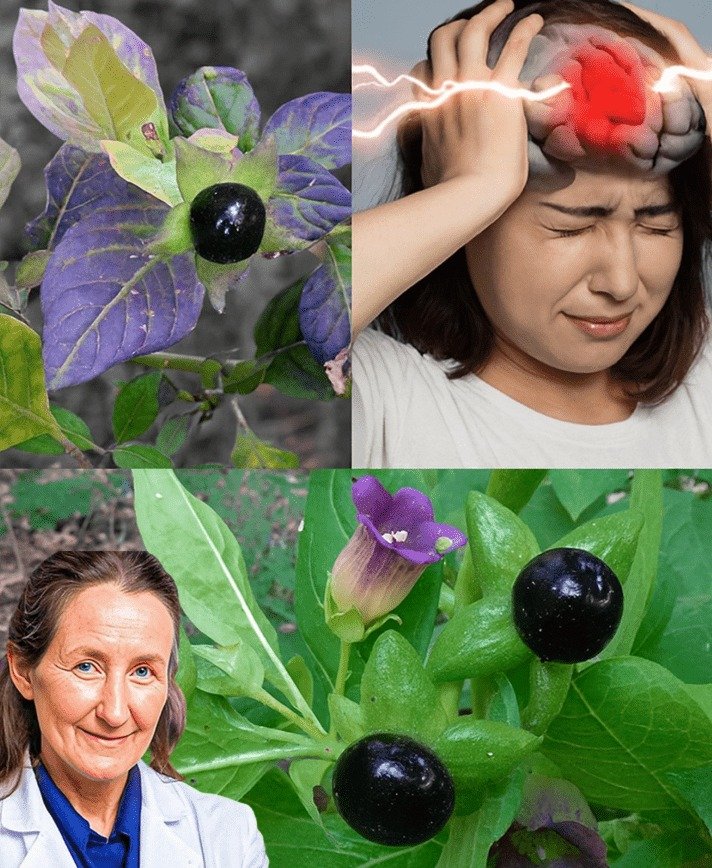
 Picture yourself strolling through a serene garden, where your eyes catch sight of a plant adorned with glossy black berries and delicate purple blossoms. It appears utterly harmless, perhaps even captivatingly beautiful. Yet, concealed within those very berries and leaves lies a profound narrative of peril, historical significance, and profound mystery. This is the formidable belladonna plant—also widely recognized as deadly nightshade—and it stands as one of the most infamous toxic herbs known throughout the globe.
Why is this information crucial for you? The reality is that plants like belladonna are not merely relics of folklore or ancient tales of witchcraft; they have played significant roles in medicine, cosmetics, and even as potent poisons for countless centuries. Despite their historical applications, their inherent toxicity remains an undeniable fact. For individuals who inadvertently consume parts of this plant—or even handle it without appropriate caution—the repercussions can range from mild discomforts like headaches and blurred vision to severe and debilitating effects on brain function. While belladonna does find highly controlled applications in specific medical environments, it is unequivocally a plant that demands both profound respect and widespread awareness.
Let’s delve into a comprehensive countdown of 10 vital facts you absolutely must understand about belladonna—with the most critical warning reserved for our final point.
Number 10: The name Belladonna translates to “beautiful lady.”
This intriguing name originated in Renaissance Italy, where women reportedly utilized drops derived from belladonna to achieve dilated pupils, a feature considered highly attractive during that era. However, this pursuit of beauty came with considerable drawbacks, including persistent headaches, episodes of dizziness, and the potential for severe, long-term damage to the eyes.
Number 9: It is a member of the nightshade family.
Belladonna shares a botanical lineage with common garden staples such as tomatoes, potatoes, and peppers. Nevertheless, in stark contrast to its edible relatives, belladonna contains incredibly potent toxic compounds, rendering it entirely unsafe for consumption in any natural form.
Number 8: It is rich in alkaloids.
Alkaloids are naturally occurring plant chemicals renowned for their significant impact on the nervous system. Within belladonna, these include powerful substances like atropine, scopolamine, and hyoscyamine—compounds that profoundly disrupt and interfere with normal nerve signal transmission throughout the body.
Number 7: Symptoms can manifest rapidly.
Even the ingestion of minute quantities of belladonna can swiftly induce a range of symptoms such as dry mouth, an accelerated heartbeat, heightened sensitivity to light, episodes of confusion, or intense headaches. These adverse effects arise directly from the plant’s ability to disrupt the normal communication pathways within the brain and nerves.
Number 6: Headaches are a frequently reported effect.
One of the earliest and most common indicators of belladonna exposure is the onset of a throbbing, pounding headache. This symptom is frequently accompanied by feelings of dizziness or blurred vision, serving as a clear signal that the brain is under considerable physiological stress.
Number 5: It possesses the ability to alter brain function.
Atropine and scopolamine, two key compounds found in belladonna, directly impact neurotransmitters—the crucial chemical messengers responsible for transmitting signals within the brain. This interference can lead to profound effects, including vivid hallucinations, significant memory impairments, or a detached, dream-like state of consciousness.
Number 4: Historically, it was employed as a deadly poison.
Belladonna gained significant notoriety in medieval Europe, where it was frequently utilized as an instrument for assassins. Its deceptively attractive berries made it remarkably easy to conceal, and its potent effects were often tragically fatal. Mini-hook: one of the prettiest plants carried some of the darkest secrets.
Number 3: Modern medicine continues to utilize its compounds.
In precisely controlled and minuscule doses, substances derived from belladonna are still employed in contemporary medical practices, such as in eye examinations to dilate pupils or within certain medications designed to relax muscles. However, these applications are rigorously regulated and administered exclusively by qualified medical professionals.
Number 2: Accidental poisoning remains a concern.
Children and pets face the highest risk of accidental exposure, primarily because the plant’s shiny, appealing berries can easily be mistaken for edible fruits. Therefore, comprehensive awareness and proactive prevention strategies are absolutely crucial to avert dangerous and potentially life-threatening mistakes. Mini-hook: what looks like a garden snack could be a serious hazard.
Number 1: Respect it; do not experiment with it.
Here lies the single most critical insight. Belladonna is unequivocally not a herb to be “tried at home.” Its inherent risks far and away outweigh any unsubstantiated folk claims of benefit. While legitimate medical science has identified highly controlled uses for its compounds, directly consuming any part of the plant can prove to be life-threatening.
So, what essential steps should you take? Make an effort to learn how to identify this plant, particularly if you reside in regions where it grows wild. Ensure that children and pets are kept safely away from it, and under no circumstances should you ever use belladonna without explicit medical supervision. And always remember: promptly consult a qualified healthcare professional if you suspect exposure or have any questions concerning safe herbal practices.
Here’s your challenge: the next time you encounter a wild plant that appears enticing, take a moment to pause and reflect. Appreciate its inherent beauty, but simultaneously acknowledge and respect its potential power. Nature offers an incredible array of remedies—but also presents significant risks—and comprehensive knowledge stands as your most effective form of protection.
This article is strictly for informational purposes only and is not intended to replace professional medical advice. Readers are strongly recommended to consult a qualified healthcare provider for personalized guidance and treatment.