 By admin
 Have you ever woken up with puzzling red welts on your skin, only to suspect that your sleeping quarters might be under attack by minuscule, blood-feeding pests? Over the past two decades, bedbug infestations have seen a global surge, impacting millions of homes annually, as reported by the Centers for Disease Control and Prevention (CDC). While these insects aren’t known to spread deadly diseases, their bites can lead to bothersome itching, allergic reactions, and considerable psychological stress, disrupting both sleep and overall quality of life.
So, what exactly is the life of a bedbug like, and more importantly, how can you successfully eliminate them from your dwelling without resorting to harsh chemicals or costly professional services? This comprehensive guide will explore the hidden existence of bedbugs, offer practical strategies for prevention, and introduce a surprisingly straightforward technique to banish them for good. Whether you own your home, rent, or are a frequent traveler, gaining an understanding of bedbugs is crucial for safeguarding your living space and maintaining your peace of mind.
What Exactly Are Bedbugs and How Do They Survive?
Bedbugs, scientifically known as Cimex lectularius, are small, flattened insects with a reddish-brown hue that sustain themselves by consuming human or animal blood. Unlike flying insects such as mosquitoes, bedbugs cannot fly or jump; instead, they move swiftly by crawling and typically conceal themselves in tiny crevices during daylight hours. As night falls, they emerge from their hiding spots to feed on unsuspecting individuals as they sleep.
The Bedbug Life Cycle Explained
Bedbugs possess a rapid reproductive rate, which makes them particularly challenging to eradicate once they establish themselves. Here’s a detailed overview of their developmental stages:
| Stage | Description | Duration |
|---|---|---|
| Egg | Tiny, white, about 1 mm long | 6–10 days |
| Nymph | Passes through 5 immature stages | Several weeks depending on temperature and food availability |
| Adult | Fully developed, feeds regularly on blood | Can live 6–12 months |
A single female bedbug has the capacity to lay up to 500 eggs throughout her lifespan, illustrating how even a minor infestation can quickly escalate if left unaddressed.
Where Do Bedbugs Typically Conceal Themselves?
Bedbugs show a preference for warm, dark, and uncluttered environments situated in close proximity to their primary food source—you. Their most common hiding places include:
- The seams of mattresses and box springs
- Bed frames and headboards
- Behind loose wallpaper or picture frames
- Within electrical outlets and wall cracks
- Upholstered furniture items
Due to their exceptional ability to remain hidden, many individuals remain unaware of an infestation until they begin to notice bites or see telltale stains, such as small blood spots or dark fecal markings, on their sheets and mattresses.
Indications That You Might Have Bedbugs
Waking up with itchy bites isn’t always conclusive proof of bedbugs, as mosquito or flea bites can often appear quite similar. However, here are some definitive signs to look for:
- Distinct Bite Patterns: Bedbug bites frequently appear in clusters or form straight lines on areas of exposed skin.
- Rust-Colored Stains: Small blood spots may be present on sheets, often from crushed bedbugs.
- Tiny Black Specks: Fecal matter that resembles pepper flakes can be found on bedding or furniture.
- Unusual Musty Odor: Larger infestations can produce a characteristic, sweet, and somewhat moldy scent.
- Direct Sightings: Spotting small, flat bugs hiding in mattress seams or scurrying across surfaces at night.
If you observe two or more of these indicators, it’s crucial to take immediate action.
Why Bedbugs Prove Challenging to Eliminate
Bedbugs are remarkably resilient pests. Their survival capabilities include:
- The ability to survive for several months without feeding, patiently awaiting a new host.
- Tolerance to a broad spectrum of temperatures, from nearly freezing up to 120°F (49°C).
- Their knack for hiding in extremely hard-to-reach locations, which renders many sprays or DIY treatments less effective.
- Their rapid spread via luggage, clothing, used furniture, or even through adjacent apartments.
This inherent toughness is often why infestations reappear, even after individuals believe they have successfully eradicated them.
Practical Strategies for Bedbug Control
Step 1: Verify the Infestation
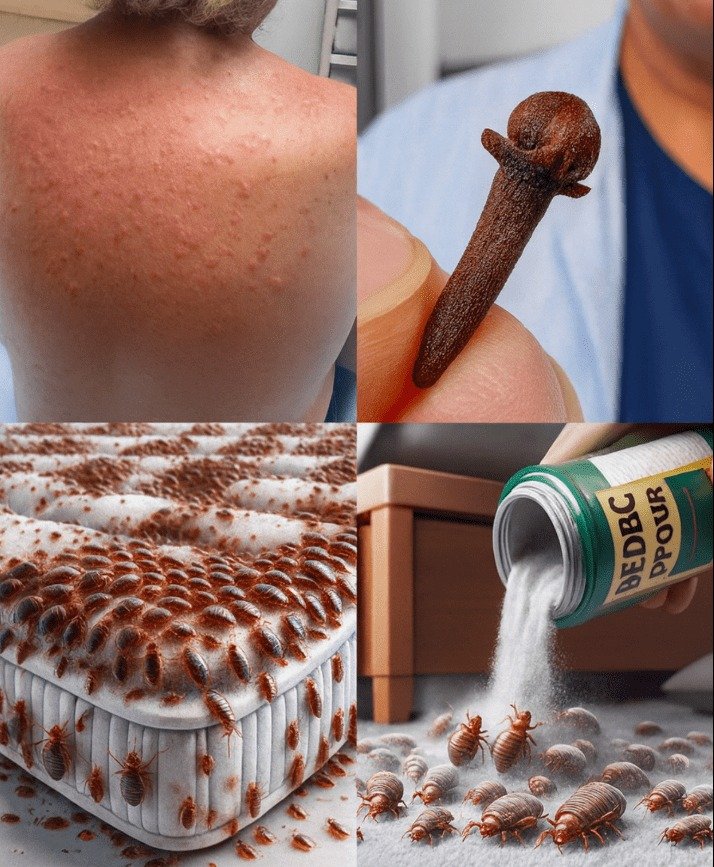
Before taking any action, it’s essential to positively identify the insect. Misdiagnosing the problem can lead to wasted time and resources. Use a flashlight and a magnifying glass to meticulously inspect your bedding, furniture, and any cracks. Sticky traps can also be helpful in catching wandering bugs.
Step 2: Thorough Cleaning and Decluttering
Bedbugs thrive in cluttered environments as it provides them with more hiding places. Begin your efforts with:
- Washing all bedding, curtains, and clothing in hot water (at least 120°F or 49°C).
- Drying these items on the highest heat setting for a minimum of 30 minutes.
- Vacuuming mattresses, floors, and upholstered furniture meticulously. Immediately dispose of the vacuum bag outside your home.
Step 3: Encase and Protect Your Bedding
Utilize specialized bedbug-proof encasements for your mattress and box spring. These covers effectively trap any existing insects inside and prevent new ones from colonizing your bed. Keep these protective covers on for at least one full year to ensure that any trapped bedbugs eventually die off naturally.
Step 4: The Proven Simple Method – Heat Treatment
Heat treatment stands as one of the most effective and natural approaches to eliminate bedbugs. Unlike chemical sprays or foggers that can leave untreated areas, heat penetrates deeply into crevices and hiding spots where bedbugs reside.
- Launder and dry all washable items at high heat settings.
- Employ a handheld steam cleaner on mattresses, furniture, and baseboards, ensuring the steam reaches deep into seams.
- For items that cannot be washed, place them in sealed black plastic bags and leave them under direct sunlight for several hours. Temperatures exceeding 120°F (49°C) will effectively kill both bedbug eggs and adult insects.
Step 5: Implement Measures to Prevent Re-Infestation
- Refrain from bringing secondhand furniture into your home without a thorough inspection.
- When traveling, always inspect hotel beds carefully and keep your luggage elevated off the floor.
- Seal any cracks in walls and baseboards to minimize potential hiding places for bedbugs.
- Regularly vacuum your home and consistently wash your bedding.
Case Study: The Johnson Family’s Triumph
The Johnson family, residing in Ohio, endured a six-month struggle with bedbugs. After unsuccessful attempts with chemical sprays and commercially available traps, they decided to try heat treatment. By diligently washing laundry on high heat, steaming their furniture, and using mattress encasements, they successfully eradicated the entire infestation in just three weeks. Their most significant lesson learned was the importance of consistency; daily cleaning and weekly inspections ensured the bedbugs never returned.
Natural Alternatives and Common Misconceptions
While some natural remedies can serve as supplementary steps, they are often insufficient on their own to fully eliminate an infestation. For instance:
- Diatomaceous earth: A fine powder that works by dehydrating bedbugs upon contact.
- Essential oils (such as tea tree or lavender): Can act as repellents but are unlikely to resolve an active infestation.
- Alcohol sprays: Kill bedbugs on direct contact but evaporate quickly and often miss hidden insects.
It’s crucial to be wary of myths like using kerosene or gasoline—these substances are not only dangerous but also ineffective against bedbugs.
Conclusion and Frequently Asked Questions
Bedbugs are indeed persistent pests, but with the right knowledge and consistent, decisive action, you can successfully reclaim your home. By understanding their life cycle, identifying their preferred hiding spots, and utilizing heat as your primary weapon, you can eliminate them safely and efficiently. Prevention is equally vital—maintaining regular cleaning routines and practicing mindful travel habits can significantly reduce your risk of reinfestation.
FAQs
Do bedbugs transmit diseases?
No, there is no scientific evidence that bedbugs transmit diseases to humans, although their bites can lead to allergic reactions, skin infections, and sleep disturbances.
How long does it typically take to get rid of bedbugs?
With diligent heat treatment and thorough cleaning, minor infestations can often be controlled within a few weeks. More severe cases may necessitate intervention from professional exterminators.
Are store-bought sprays truly effective?
Most over-the-counter sprays only kill bugs on direct contact and often fail to reach hidden eggs. Heat remains the most reliable method for achieving complete eradication.
Disclaimer: This article is provided for informational purposes only and should not be considered a substitute for professional pest control advice or medical treatment. If you suspect a severe infestation or experience adverse allergic reactions, please consult a licensed exterminator or a healthcare provider.