 By admin
 Bed Bugs in Your Garden: The Real Truth About Quick Fixes and Effective Solutions
Discovering tiny, reddish-brown insects scurrying across your patio furniture or nestled within your outdoor cushions can instantly shatter the tranquility of a beautiful evening. These unexpected sightings of what appear to be bed bugs often trigger immediate concern: Will they migrate indoors? Could they bite my family? Is my relaxing outdoor space about to become a source of constant stress? For many homeowners, especially those seeking to simply enjoy fresh air without the nuisance of pests, this situation can be particularly frustrating. However, understanding the true nature of bed bugs in an outdoor setting is the first step toward practical and effective solutions that might just surprise you.
🐛 The Surprising Reality of Bed Bugs in Outdoor Spaces
It’s crucial to understand that bed bugs are primarily indoor dwellers, dependent on human blood meals for survival. This fundamental biological need is why genuine, self-sustaining bed bug infestations are exceedingly rare in outdoor environments. Most pest control experts concur: any bed bugs found in your garden are typically transient visitors. They often arrive as hitchhikers, inadvertently carried on clothing, brought in with old furniture, or might be stragglers from a neighbor’s issue, particularly during warmer months.
These temporary guests seek sheltered spots, such as the seams of cushions, cracks in wooden furniture, or under garden decor, as they search for their next meal. If you’ve encountered bed bugs outdoors, they are highly likely individual wanderers rather than an established colony. This distinction is vital because targeted, swift actions are far more effective against these isolated outdoor bed bugs than they would be for a deep-seated indoor infestation. Yet, before you reach for those “disappear in minutes” viral remedies, it’s important to separate fact from fiction.
🔍 Why Instant “Disappear in Minutes” Claims for Outdoor Bed Bugs Are Misleading
The internet is awash with videos promising miraculous, instant bed bug elimination from your garden with a single spray or pour. While direct contact with extremely hot water or a strong acidic solution like vinegar can indeed kill visible bed bugs on the spot by damaging their exoskeletons, the reality of bed bug control is far more complex than these dramatic before-and-after clips suggest. These rapid methods only impact the individual bed bugs you can physically see and reach in your outdoor area.
The critical flaw lies in what these quick fixes miss: hidden bed bug eggs and microscopic nymphs often survive unnoticed, only to emerge days later, perpetuating the cycle. Furthermore, indiscriminately spraying large garden areas with potent solutions risks harming your delicate plants, disrupting beneficial insect populations, and negatively impacting your soil’s ecological balance. No single natural remedy can truthfully guarantee total and immediate bed bug elimination in any real-world scenario.
Scientific research confirms that sustained temperatures above 120°F (49°C) are lethal to bed bugs, but achieving and maintaining this consistent heat outdoors without specialized equipment is incredibly challenging. Similarly, while vinegar may repel or kill exposed bed bugs on contact, it cannot penetrate their intricate hiding spots where eggs and nymphs often reside. This is precisely why savvy gardeners and homeowners prioritize proven, multi-step strategies over relying on unverified “miracle cures” for bed bugs.
⚡ Immediate Spot Treatment for Visible Outdoor Bed Bugs
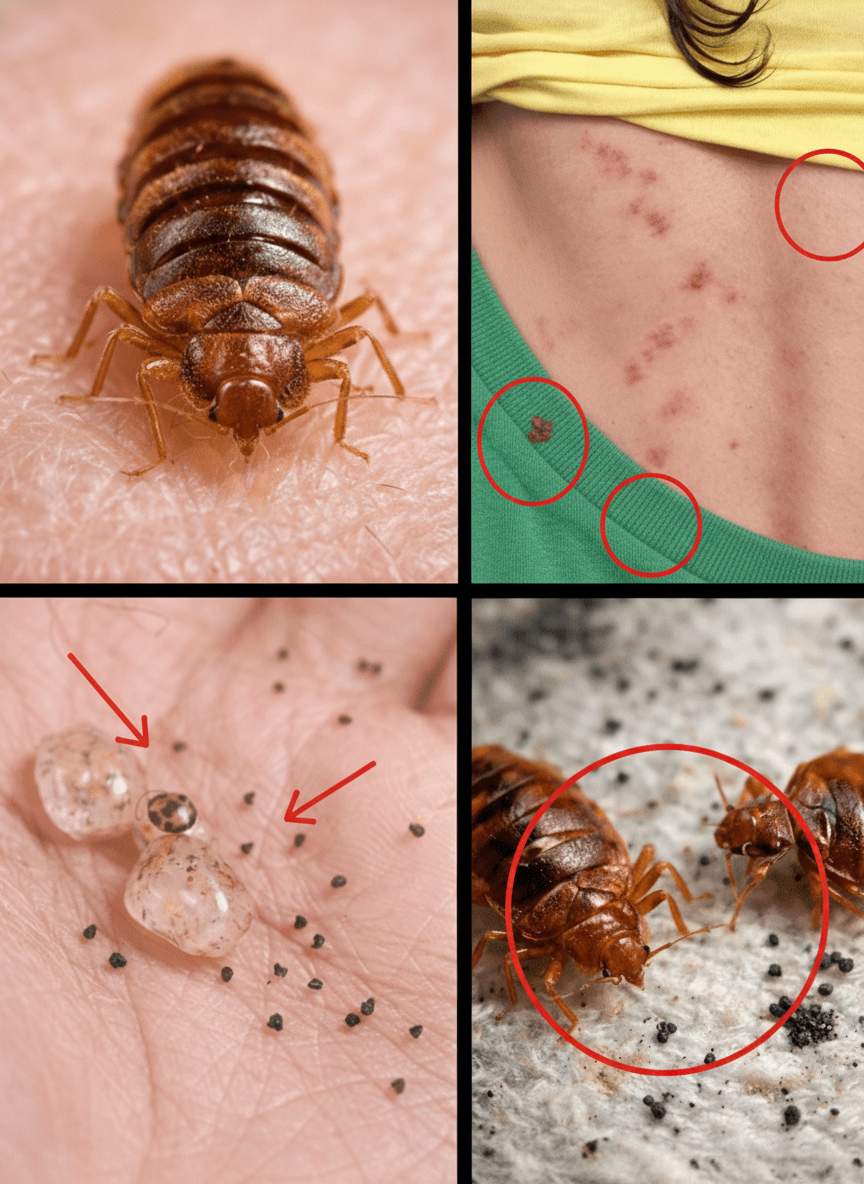
Spotting bed bugs scrambling across your patio or outdoor seating can certainly elevate your stress levels. Fortunately, you can take immediate, targeted action against these visible outdoor bed bugs using methods many homeowners find successful:
- Boiling Water Application: Carefully pour boiling water directly over visible bed bugs found on hard, non-porous surfaces like stone pavers, concrete, or metal furniture. The intense heat provides an instant knockdown effect by causing thermal shock. Exercise extreme caution to avoid splashes and protect any nearby plants.
- Undiluted White Vinegar Spray: Mix undiluted white vinegar in a clean spray bottle. Apply it directly onto bed bugs for a fast-acting effect. The acetic acid in vinegar disrupts their system within minutes upon direct hit. Again, be mindful of sensitive plants, as prolonged exposure to vinegar can harm them.
- High-Power Vacuuming: Use a shop vacuum with strong suction to quickly suck up any visible bed bugs from outdoor cushions, crevices, or furniture. After vacuuming, immediately seal the vacuum bag in a sturdy plastic bag and dispose of it far from your home to prevent any escape.
These immediate actions can significantly reduce the number of visible bed bugs almost instantly. However, this is merely the initial step; preventing their return requires addressing their preferred hiding places.
🧹 Eliminate and Isolate Potential Bed Bug Hiding Spots
Bed bugs, even outdoors, are drawn to clutter and sheltered areas. This is why outdoor cushions, stored items, and debris can quickly become temporary problem zones, fueling daily worry. To effectively disrupt their presence:
- Thorough Inspection: Carefully inspect every outdoor pillow, cushion, and piece of fabric furniture for any signs of bed bugs, including tiny reddish-brown stains, shed skins, or the bugs themselves.
- Hot Water Wash & High Heat Dry: For any removable fabrics, wash them in the hottest water permissible (ideally above 120°F or 49°C) and then tumble dry them on the highest heat setting for at least 30 minutes. This combination of heat and agitation is highly effective at eliminating all life stages of bed bugs.
- Sealed Storage: Once cleaned, store outdoor cushions, blankets, and other textiles in sealed plastic bags or airtight containers when not in regular use. This prevents new bed bugs from taking shelter and stops any lingering ones from migrating indoors.
Implementing these steps actively disrupts the temporary havens that bed bugs rely on in your garden, significantly reducing sightings within days and preventing potential indoor migration. But how do you ensure they stay away for good?
🛡️ Long-Term Prevention Strategies for a Bed Bug-Free Garden
Maintaining a vigilance against bed bugs in your garden involves more than just reactive treatments. Proactive measures are key to ensuring your outdoor oasis remains a sanctuary, not a source of stress:
- Regular Outdoor Furniture Maintenance: Consistently clean and inspect your outdoor furniture, especially items with crevices, wicker, or fabric components. A routine wipe-down and visual check can catch potential issues early.
- Minimize Clutter: Reduce unnecessary clutter in your garden and patio areas. Stacks of old pots, unused tarps, or piles of wood can create ideal hiding spots for various pests, including transient bed bugs.
- Inspect Used Items: Before bringing any used outdoor furniture, decor, or even plants into your garden, perform a thorough inspection for any signs of bed bugs or other pests. It’s far easier to prevent an introduction than to deal with an established problem.
- Consider Barriers: If you frequently bring cushions or blankets indoors after outdoor use, consider encasing them in bed bug-proof covers. This adds an extra layer of protection against accidental indoor transfer.
- Address Neighboring Issues: If you suspect a neighbor has a severe bed bug issue, be extra vigilant. Bed bugs can travel, and understanding potential sources can help you take preventative measures.
By combining immediate spot treatments with diligent clutter reduction and long-term preventative habits, you can effectively manage and prevent bed bugs from disrupting your enjoyment of your garden. Remember, knowledge and consistent action are your best tools in keeping your outdoor space peaceful and pest-free.