 By admin
 Imagine waking up to mysterious, itchy red spots, spotting minuscule brown invaders on your sheets, or noticing tell-tale dark specks on your mattress. That unsettling realization often signals one thing: bed bugs have infiltrated your sanctuary, disrupting peaceful sleep and fostering constant anxiety. These remarkably resilient pests expertly conceal themselves in the tiniest nooks, emerge under the cover of darkness to feed, and multiply with alarming speed, transforming a tranquil home into a source of considerable frustration. Yet, there’s a silver lining: a deeper understanding of their habits unlocks practical, everyday strategies that can effectively manage their presence and make your living space far less hospitable.
Understanding Bed Bugs: Their Lifecycle and Survival Tactics
Bed bugs (Cimex lectularius) are small, flat, parasitic insects, roughly the size of an apple seed when fully grown. Characterized by their reddish-brown, oval bodies, they become noticeably engorged and darker after a blood meal. These persistent pests subsist exclusively on blood, primarily from humans, but also from animals. Extensive research from reputable sources like the EPA and university extensions confirms their preference for hiding in close proximity to human sleeping areas—common spots include mattress seams, box spring crevices, bed frames, headboards, baseboards, and even discreet locations like electrical outlets or furniture joints.
Their daily rhythm is highly predictable:
- They remain hidden during daylight hours in dark, concealed spaces.
- At night (typically between midnight and 5 a.m.), they emerge from their hiding spots to feed for a brief 5-10 minute period.
- After feeding, they retreat to digest their meal.
Bed bugs possess an uncanny ability to detect hosts, primarily through the carbon dioxide emitted during breathing, body heat, and skin odors, though only from short distances (approximately 3 feet or less for CO2 cues).
The Bed Bug Life Cycle: Explaining Their Rapid Spread
The bed bug life cycle is a key factor in their notorious persistence and rapid proliferation. A single female can lay 1-5 tiny, pearly white eggs daily, accumulating an astonishing 200-500 eggs over her lifetime. These eggs typically hatch within 5-10 days at room temperature. The newly hatched nymphs (young bed bugs) then undergo five distinct developmental stages, each requiring a blood meal to molt and progress. Under optimal conditions (warm temperatures ranging from 70-82°F), the entire cycle from egg to adult can be completed in approximately 4-5 weeks. Adult bed bugs can live for 6-12 months or even longer with consistent feeding, but possess the remarkable ability to survive for several months without a blood meal. This combination of rapid reproduction and expert concealment makes early detection incredibly challenging. Studies consistently show that they are adept hitchhikers, easily spreading between homes via luggage, used furniture, clothing, or boxes.
Signs of a Bed Bug Infestation (and What Their Bites Look Like)
Prompt identification is crucial for effective bed bug management. Key indicators of their presence include:
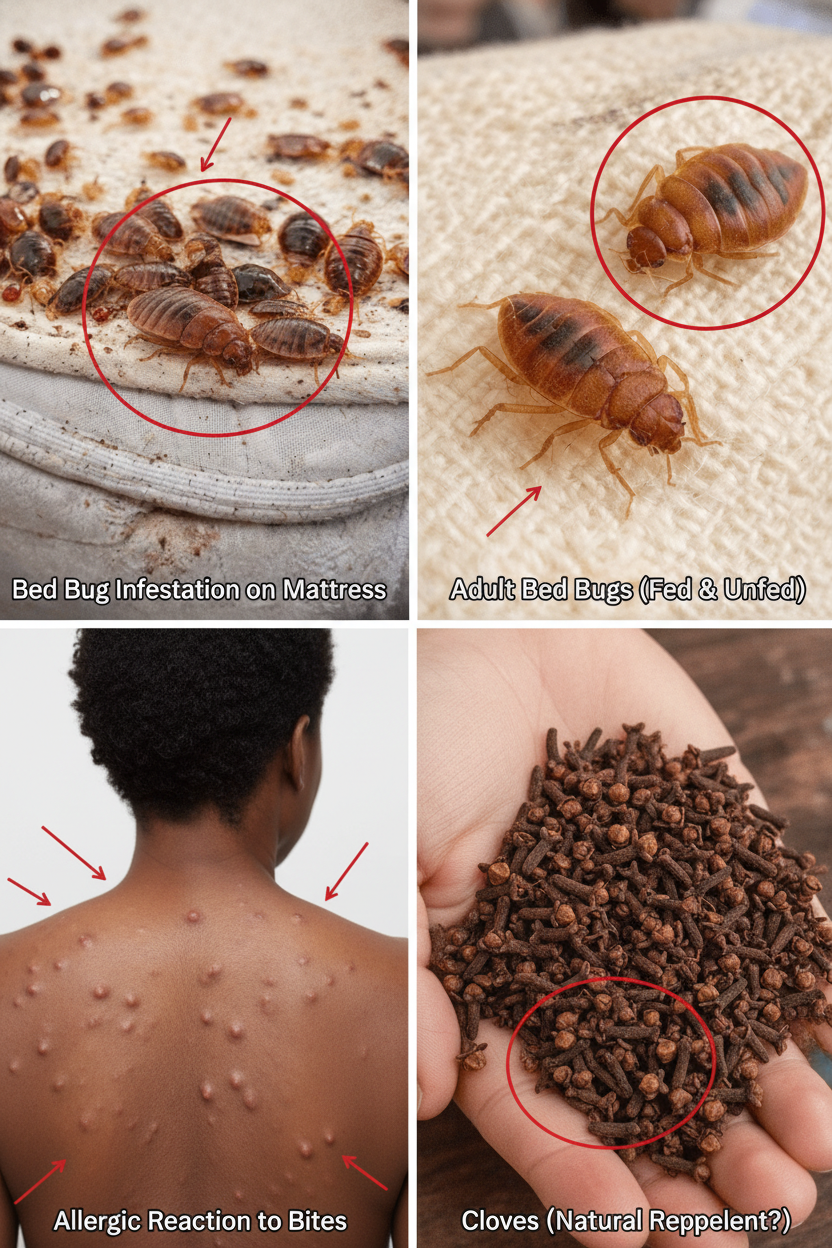
- Small, reddish-brown adult bed bugs or their translucent shed skins found near sleeping areas.
- Dark fecal spots, often resembling specks of ground pepper, visible on sheets, mattresses, walls, or furniture.
- Tiny blood stains, which may result from crushed bugs or fresh bites, on bedding.
- A distinct musty, sweetish odor, particularly noticeable in cases of heavy infestations.
Bed bug bites commonly appear in linear patterns or clusters on exposed skin, such as arms, neck, and legs. These bites typically manifest as red, itchy welts, though individual reactions can vary significantly—some people might experience intense irritation, while others may not notice them at all. According to health authorities like the CDC, bed bug bites usually require only basic care to alleviate discomfort, primarily avoiding scratching to prevent secondary skin infections. Once their presence is confirmed, consistent and strategic action becomes paramount.
Practical Home Approaches to Deter Bed Bugs Naturally
While professional pest control is often recommended for established infestations, many individuals begin with non-chemical strategies, supported by guidelines from the EPA and pest management experts. These methods focus on minimizing available hiding spots, physically removing bugs, and restricting their access to your sleeping environment.
Step-by-Step Everyday Actions for Bed Bug Prevention and Reduction:
- Declutter and Isolate: Systematically reduce clutter in bedrooms. Store items in sealed plastic bins or bags to eliminate potential hiding places and make inspections easier.
- Launder and Heat Treat: Wash all bedding, clothing, and curtains in hot water (at least 120°F or 49°C) and then dry them on high heat for a minimum of 30 minutes. High temperatures are highly effective at killing bed bugs in all life stages, including eggs.
- Vacuum Thoroughly: Use a powerful vacuum cleaner, preferably with a HEPA filter, to meticulously clean mattresses, box springs, bed frames, floors, and furniture. Immediately after vacuuming, empty the contents of the bag or canister outside your home and seal it tightly before disposal.
- Utilize Mattress Encasements: Invest in high-quality, bed bug-proof encasements for both your mattress and box spring. These zippered, tightly woven covers trap any existing bugs inside, starving them over time, and prevent new bed bugs from infesting your bedding.
- Create Physical Barriers: Place interceptor traps (often simple cups or bowls with a talc-dusted or sticky surface) under each leg of your bed. These traps prevent bed bugs from climbing up onto your bed and also help monitor their activity.
Implementing these proactive steps disrupts their habitat, reduces their numbers, and significantly limits their ability to thrive in your home over time.
Exploring Natural Deterrents: The Potential of Cloves
Many people seek natural household items with strong scents to deter pests. Cloves, the dried flower buds of the clove tree, contain a potent compound called eugenol, which has been noted in some scientific studies for its insect-repellent properties. While not a standalone solution for an active infestation, cloves can be explored as a supplementary natural aid. A straightforward way people incorporate cloves is by placing small sachets of dried whole cloves or cotton balls soaked in diluted clove essential oil in areas where bed bugs are suspected, such as near bed frames or baseboards. However, it’s crucial to remember that natural repellents are generally less effective than proven chemical or heat treatments for eliminating an infestation. They are best used as part of a broader, multi-faceted strategy that prioritizes the physical removal and containment methods described above, and often, professional intervention.