 By admin
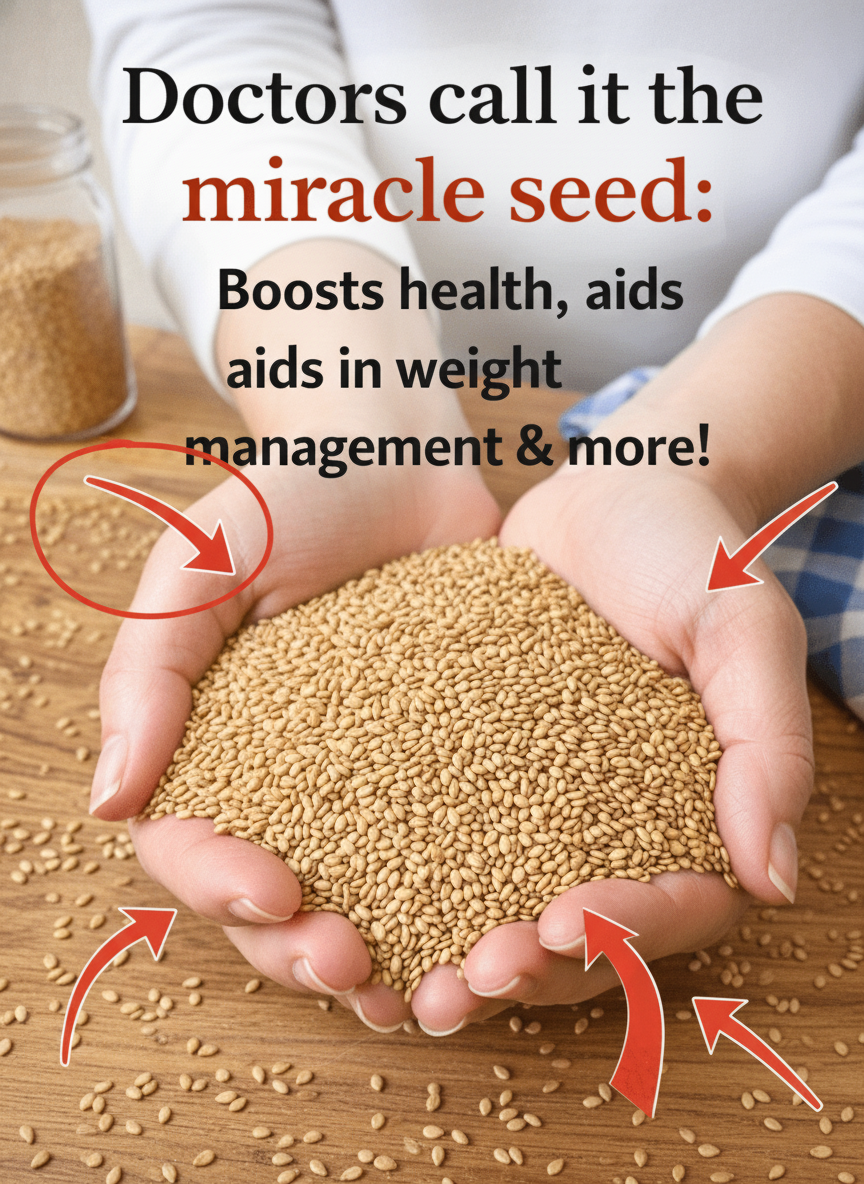
 Barley: The Ancient Grain Modern Wellness Needs
Many people grapple with fluctuating energy, weight management, or maintaining stable blood sugar amidst fast-paced lives and processed diets. These challenges can leave you feeling drained and concerned about long-term health. The good news? Simple dietary shifts, like incorporating more whole grains, can make a significant difference. Among these, barley stands out for its unique nutrient profile and versatility.
This ancient whole grain is a powerhouse of fiber (especially beta-glucan), essential vitamins, minerals, and antioxidants. Research, including studies from Lund University, consistently highlights its role in supporting metabolic health as part of a balanced diet. Let’s explore how barley can elevate your daily wellness.
What Makes Barley a Standout Grain?
Barley has nourished civilizations for thousands of years, yet it’s often overlooked today. This humble grain comes in various forms:
- Hulled Barley: The most nutritious form, with only the outer husk removed.
- Pearled Barley: Polished to remove the husk and some bran, cooking faster.
- Barley Flakes: Rolled and flattened, similar to oats, for quick cooking.
Its star component is soluble fiber called beta-glucan. This remarkable fiber forms a gel-like substance in your digestive system, a key mechanism behind many of barley’s impressive health benefits.
Unlocking Barley’s Health Benefits
1. Steady Blood Sugar & Insulin Sensitivity
Barley shines in its ability to help manage blood glucose. Studies, including those from Lund University, show that barley-rich meals lead to steadier blood sugar patterns compared to other grains, with effects lasting up to 14 hours. This is thanks to beta-glucan slowing carbohydrate absorption. Its lower glycemic index (GI) also means it causes a gentler rise in blood sugar than refined options. Consistent inclusion can even contribute to improved insulin sensitivity over time.
2. Weight Management & Satiety
Feeling full longer is crucial for managing weight and avoiding energy crashes. Barley’s high fiber content promotes satiety, helping to curb unnecessary snacking. Some observations link barley-rich diets to modest reductions in body fat or waist measurements when combined with calorie control. Beta-glucan may also positively influence appetite-regulating hormones.
3. Heart Health & Cholesterol Support
The FDA has acknowledged beta-glucan’s benefits for heart wellness by helping to lower cholesterol absorption. Diets featuring barley have been shown to reduce total and LDL (“bad”) cholesterol levels, supporting cardiovascular health when paired with other healthy lifestyle factors.
4. Gut Health & Digestion
Fiber acts as a vital food source for beneficial gut bacteria, potentially improving regularity and digestive comfort. Barley can help ease occasional bloating and support smoother digestion, making it a gentle, whole-food choice for gut health.
5. Beyond Fiber: A Nutrient Powerhouse
Beyond its impressive fiber content, barley delivers a wealth of other essential nutrients:
- Magnesium: Crucial for energy production and muscle function.
- B Vitamins: Essential for metabolism and converting food into energy.
- Antioxidants: To combat daily oxidative stress and cellular damage.
- Plant-Based Protein: Contributes to satiety and muscle maintenance.
Simple Ways to Enjoy Barley Daily
Ready to make barley a part of your routine? Here are practical, step-by-step ideas:
- Breakfast Bowl: Cook hulled barley like oatmeal (1 cup barley to 3 cups water, simmer 45-60 min or pressure cook). Top with fruit, nuts, and yogurt.
- Soups & Stews: Add pearled barley to vegetable soup or chili for natural thickening and texture (½ cup barley per 4-6 servings).
- Hearty Salads: Boil pearled barley (20-30 min), cool, then mix with your favorite veggies, herbs, olive oil, and lemon for a make-ahead lunch.
- Rice Alternative: Replace half your rice with cooked barley in stir-fries or pilafs for added chewiness and nutrition.
Barley vs. Common Grains: A Quick Look
- Barley: High beta-glucan, lower GI, excellent for satiety.
- White Rice: Quick energy, but higher GI and less fiber.
- Oats: Similar beta-glucan benefits, slightly milder flavor.
- Quinoa: Protein-rich, but generally contains less soluble fiber than barley.
Pro Tips for Optimal Enjoyment
- Choose Whole: Opt for hulled barley whenever possible for maximum nutrients.
- Soak Overnight: This can reduce cooking time and improve digestibility.
- Balance Your Plate: Pair barley with lean proteins, healthy fats, and plenty of vegetables.
- Start Gradually: If you’re new to whole grains, introduce barley slowly to prevent digestive discomfort.
Final Thoughts
Incorporating barley into your diet isn’t about drastic overnight changes; it’s a simple, sustainable step towards enhanced wellness. By embracing this ancient grain, you can support your blood sugar, manage your weight, boost heart health, and nurture your gut, all while enjoying delicious, satisfying meals.