 By admin
 Many of us dream of clear, smooth skin, free from excess oil, rough texture, and frustrating breakouts. While countless pricey products promise solutions, a humble kitchen staple—baking soda—often pops up in DIY skincare discussions. But before you reach for that box, it’s crucial to understand how this common ingredient interacts with your skin’s delicate balance. The key lies in knowing the science, the potential perks, and, most importantly, the significant pitfalls.
What is Baking Soda and How Does It Interact with Your Skin?
Baking soda, chemically known as sodium bicarbonate, is a fine white powder with a distinctly alkaline pH of around 9. This is a stark contrast to your skin’s natural, slightly acidic pH of 4.5 to 5.5, maintained by what’s called the “acid mantle.” This protective layer is vital for locking in moisture and defending against harmful bacteria.
Introducing an alkaline substance like baking soda can temporarily disrupt this delicate acid mantle. While curiosity has made it a popular DIY ingredient, understanding this fundamental pH difference is the first step before considering its use.
Potential Benefits: Why People Turn to Baking Soda for Skin
The appeal of baking soda in skincare largely comes down to its accessibility and affordability. Here are the main reasons it garners attention:
- Mild Physical Exfoliation: Its fine granular texture can help gently buff away dead skin cells and surface impurities, potentially leaving skin feeling smoother for a brief period.
- Oil Absorption: Baking soda’s powdery nature may absorb excess sebum, which can be appealing for those struggling with shine or clogged pores.
- Cost-Effective & Convenient: Unlike specialized skincare products, it’s incredibly inexpensive and likely already in your pantry.
Some users report a temporary boost in skin softness and a refreshed appearance, especially when used sparingly and combined with other gentle ingredients. However, these effects are often short-lived.
Crucial Risks: Why Experts Advise Caution with Baking Soda
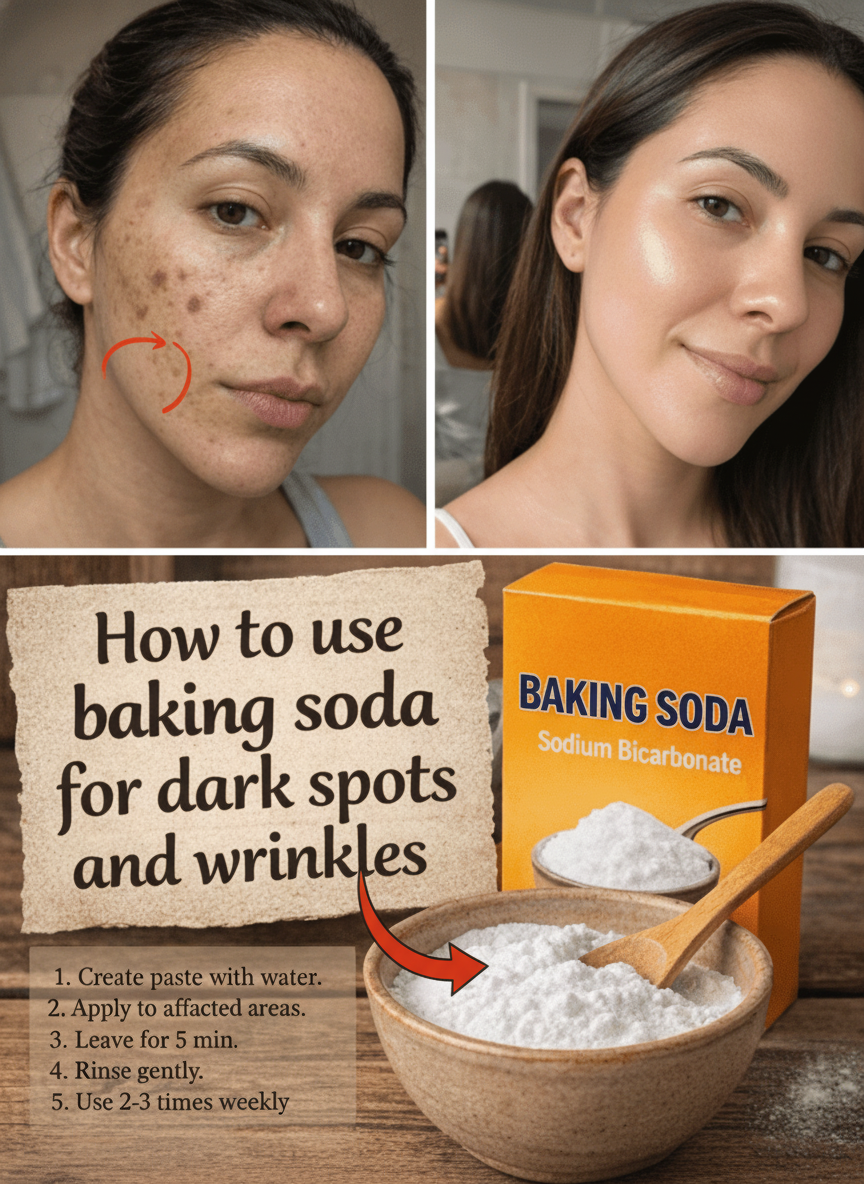
Despite its DIY popularity, dermatologists and skincare experts widely caution against using baking soda on the face due to several significant risks:
- Disrupts Skin’s pH Balance: The primary concern is its high alkalinity, which can strip natural oils and elevate your skin’s pH far beyond its healthy range. This compromises the acid mantle.
- Causes Dryness & Irritation: An imbalanced pH can lead to dryness, tightness, redness, stinging, and increased sensitivity, particularly for those with already dry or sensitive skin.
- Weakens Skin Barrier: Consistent or excessive use can progressively weaken your skin barrier over time, making it more vulnerable to environmental damage and less responsive to other beneficial skincare products.
- Limited Long-Term Benefits: Any perceived improvements like brightening or smoothing are typically temporary and do not translate into lasting skin health benefits. There’s a lack of scientific evidence supporting long-term efficacy.
In essence, using baking soda frequently can do more harm than good, potentially damaging your skin’s natural defenses.
Safe Usage Guide: If You Choose to Try Baking Soda
For those still curious and committed to trying baking soda, a highly cautious and infrequent approach is paramount. Follow these steps to minimize potential harm:
- Perform a Patch Test: Before applying to your face, mix one part baking soda with three parts water to form a thin paste. Apply a small dab behind your ear or on your inner arm. Wait 24 hours to check for any adverse reactions (redness, itching, stinging).
- Limit Frequency: Use baking soda as a facial treatment no more than once every one to two weeks, at most. Daily or even weekly application is strongly discouraged.
- Dilute & Blend with Soothing Agents: Never use baking soda undiluted. Instead of plain water, consider mixing it with calming ingredients like aloe vera gel, honey, or rose water to further soften its texture and reduce potential harshness.
- Gentle Application & Quick Rinse: Apply the paste with very gentle, circular motions for no more than 30 seconds. Rinse your face completely with lukewarm water immediately afterward, ensuring no residue remains.
- Hydrate Immediately: Always follow up with your favorite gentle moisturizer to help restore hydration and comfort. A few drops of facial oil can also help lock in moisture.
Crucial Reminder: Listen to your skin. If you experience any discomfort, redness, or irritation at any point, discontinue use immediately.
Baking Soda vs. Commercial Skincare Alternatives
While baking soda offers a cheap, temporary fix, it lacks the targeted, science-backed benefits of professionally formulated skincare products. Commercial exfoliants (like AHAs, BHAs, or gentle physical scrubs) and oil-absorbing treatments are designed with buffered pH levels and specific active ingredients to safely and effectively address concerns without compromising your skin barrier. For consistent, long-term skin health, these specialized alternatives are generally a safer and more effective investment.