 By admin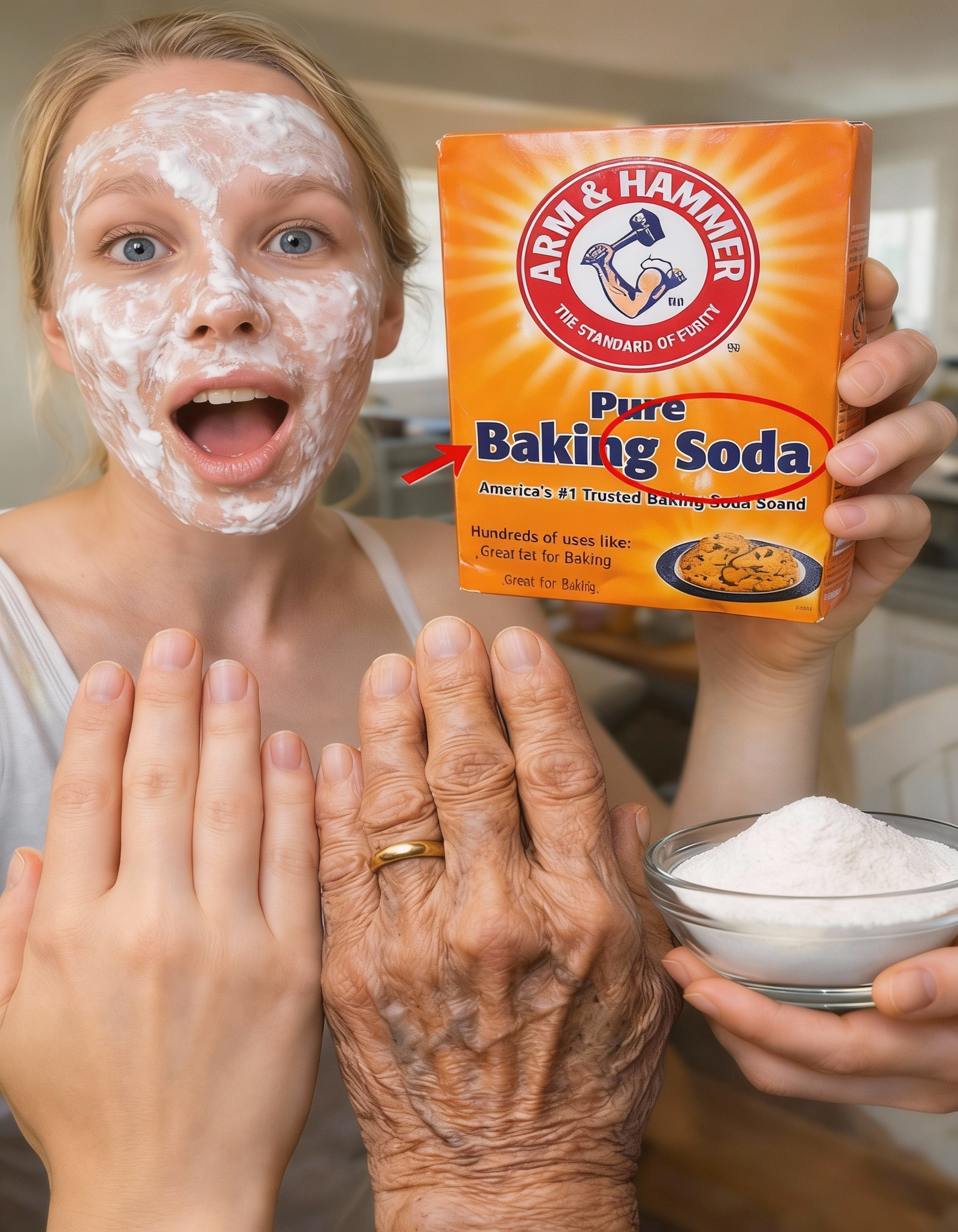
Many women over 60 wake up each morning to deeper wrinkles, sagging skin, and a dull complexion that seems to appear overnight. Years of sun exposure, natural collagen loss, and daily stress leave visible lines around the eyes, forehead, and mouth that make them feel older than they are. Expensive creams, serums, and treatments often promise dramatic results but deliver only temporary or disappointing changes, leaving skin feeling dry or irritated instead of youthful.
The frustration builds when the mirror reflects tired, crepey skin despite all efforts. What if a simple, inexpensive pantry item you’ve had for years could offer gentle exfoliation and a brighter appearance when used thoughtfully? In this article, we’ll explore how baking soda is being discussed for skin care, what science actually says, and safer ways to incorporate similar benefits into your routine. Stick around—the most important safety information comes toward the end.

Why Wrinkles Deepen With Age — And Why It Feels So Unfair
As we age, skin naturally loses collagen and elastin — the proteins that keep it firm and bouncy. After age 60, collagen production drops significantly, while environmental factors like UV rays accelerate breakdown. Dead skin cells pile up on the surface, making texture look rough and lines more pronounced.
A 2025 survey by dermatology experts noted that over 80% of women in this age group report noticeable sagging and persistent creases. Pillow lines linger longer, dark spots appear, and confidence takes a hit. Many reach for heavy-duty products, but harsh ingredients can sometimes make dryness worse.
Here’s where gentle exfoliation enters the conversation. Removing dull surface layers can reveal fresher-looking skin temporarily. Baking soda has gained attention online for this purpose — but is it the hero it’s claimed to be?

What Baking Soda Actually Does to Skin
Baking soda (sodium bicarbonate) is mildly abrasive and has an alkaline pH around 8-9. Skin’s natural barrier, called the acid mantle, sits at a slightly acidic pH of about 4.5-5.5 to protect against bacteria and retain moisture.
When applied, baking soda can provide gentle physical exfoliation by buffing away dead cells. This may create a smoother, brighter look right after use — the same effect many seek from scrubs. Some people report softer texture and reduced dullness.
However, dermatologists emphasize a key point: there is scant scientific evidence that baking soda reduces wrinkles long-term or reverses aging signs. Its high pH can disrupt the skin’s natural balance with repeated use, potentially leading to dryness, irritation, or barrier damage over time.
But wait — that’s not the full picture. Many viral recipes combine baking soda with moisturizing ingredients to offset potential drying effects. Let’s look at popular combinations people try.

Popular Baking Soda Mask Ideas People Are Trying
These DIY masks are shared widely online. While anecdotal reports describe temporary smoothing or glow, results vary widely and aren’t backed by strong clinical studies for anti-aging.
1. Baking Soda + Honey Mask
- How to make it: Mix 1 teaspoon baking soda with 1-2 teaspoons raw honey to form a paste.
- Why people like it: Honey is naturally humectant (draws in moisture) and soothing. The combo may feel nourishing while providing light exfoliation.
- Reported effects: Smoother texture and subtle brightening after 10-15 minutes.
2. Baking Soda + Yogurt Mask
- How to make it: Combine 1 teaspoon baking soda with 2 teaspoons plain yogurt.
- Why people like it: Yogurt contains lactic acid (a gentle AHA) that supports mild exfoliation and hydration.
- Reported effects: Softer feel and slight firmness after consistent use.
3. Baking Soda + Coconut Oil Mask
- How to make it: Blend 1 teaspoon baking soda with 1 teaspoon virgin coconut oil.
- Why people like it: Coconut oil provides rich moisture to counteract potential drying.
- Reported effects: Plumper appearance overnight for some users.
4. Baking Soda + Aloe Vera Mask
- How to make it: Mix ½ teaspoon baking soda with fresh aloe gel.
- Why people like it: Aloe soothes and hydrates while cooling irritated skin.
- Reported effects: Calmer, less puffy-looking skin.
5. Baking Soda + Oatmeal Mask
- How to make it: Combine 1 teaspoon baking soda with ground oatmeal and water.
- Why people like it: Oatmeal is ultra-gentle and calming for sensitive skin.
- Reported effects: Baby-soft texture after gentle massage.
Important reminder: These are home experiments, not proven treatments. Always do a patch test on your inner arm for 24 hours before facial use.

The Real Risks Dermatologists Want You to Know
While occasional, diluted use may feel fine for some, experts raise valid concerns:
- pH Disruption — Repeated alkaline exposure can weaken the skin barrier, leading to dryness, sensitivity, or even premature fine lines from dehydration.
- Irritation Potential — Abrasive texture can cause micro-tears, redness, or breakouts in sensitive skin.
- Long-Term Effects — Overuse may worsen texture instead of improving it, as healthy skin needs its natural acidity.
Dermatologists generally recommend evidence-based exfoliants like low-percentage lactic acid, glycolic acid, or enzyme-based products instead of baking soda for regular use.
Here’s the key takeaway: Baking soda isn’t a miracle for erasing wrinkles. At best, it offers temporary surface smoothing through exfoliation — at worst, it risks damaging your skin’s protective barrier.
Safer, Evidence-Backed Ways to Support Smoother Skin
Focus on proven habits and ingredients that support skin health without high risk.
- Use broad-spectrum SPF 30+ daily — UV damage is the #1 cause of premature wrinkles.
- Apply moisturizer with hyaluronic acid or ceramides to lock in hydration.
- Consider gentle retinoids (start low and slow) — they boost collagen over time.
- Eat antioxidant-rich foods — berries, leafy greens, and nuts support skin from within.
- Stay hydrated — Drink plenty of water and use a humidifier if air is dry.
These steps create cumulative improvement far more reliably than any single DIY mask.
Quick Comparison: Baking Soda vs. Proven Anti-Aging Approaches
| Concern | Baking Soda Approach | Evidence-Based Alternative | Why It’s Often Better |
|---|---|---|---|
| Exfoliation | Physical scrubbing, temporary smooth | Chemical exfoliants (lactic/glycolic acid) | Gentler on barrier, deeper results |
| Hydration | May dry if overused | Hyaluronic acid + ceramide moisturizers | Restores moisture without disruption |
| Long-term wrinkle support | No strong evidence | Retinoids or peptides | Clinically shown to boost collagen |
| Safety for daily use | Risky due to pH | pH-balanced formulas | Maintains natural skin protection |
| Cost | Very low | Moderate | Worth it for sustained results |
Final Thoughts: A Gentle, Realistic Path Forward
Baking soda can feel like a quick fix for dullness or rough texture when used sparingly and properly diluted. Many enjoy the brightening sensation of a gentle scrub once in a while. However, it is not a reliable solution for reducing wrinkles or reversing visible aging signs. True skin improvement comes from consistent protection, hydration, and evidence-supported care.
Start small — try one safe, moisturizing combination if curious, but listen to your skin. If irritation appears, stop immediately. Your skin deserves gentle, sustainable love, not risky experiments.
FAQ
Is baking soda safe to use on the face every day?
No — daily use is not recommended. Its high pH can disrupt your skin’s natural barrier over time. Limit to occasional use (1-2 times per month max) and always follow with heavy moisturizer.
Can baking soda actually erase wrinkles permanently?
No strong scientific evidence supports permanent wrinkle reduction from baking soda. It may temporarily smooth surface texture through exfoliation, but it doesn’t boost collagen or address deeper aging causes.
What should I use instead of baking soda for anti-aging?
Focus on sunscreen, daily moisturizer, and proven ingredients like retinoids, peptides, vitamin C, and hyaluronic acid. Consult a dermatologist for personalized recommendations.
Disclaimer: This article is for informational purposes only and does not constitute medical advice. Baking soda can irritate skin or disrupt its natural pH balance. Always perform a patch test before use and consult a dermatologist before trying new skincare routines, especially if you have sensitive skin, conditions like eczema, or are using prescription treatments. Stop immediately if irritation, redness, or discomfort occurs.